 In this coming-of-age story by N. V. M. Gonzalez bread of salt (pan de sal), a popular Filipino food, symbolizes the racial, social and economic divide between a working-class teen with big dreams and the Spanish plantation owner’s niece with whom he is infatuated. Embarrassed when she catches him pilfering delicacies leftover after a banquet, he finally comes to terms with the reality of his position. He throws the delicacies away, and on the way home stops to buy some pan de sal. Themes include family, naivety, unrequited love, social and economic class, shame, disillusionment. More…
Archives
The Sea Beyond
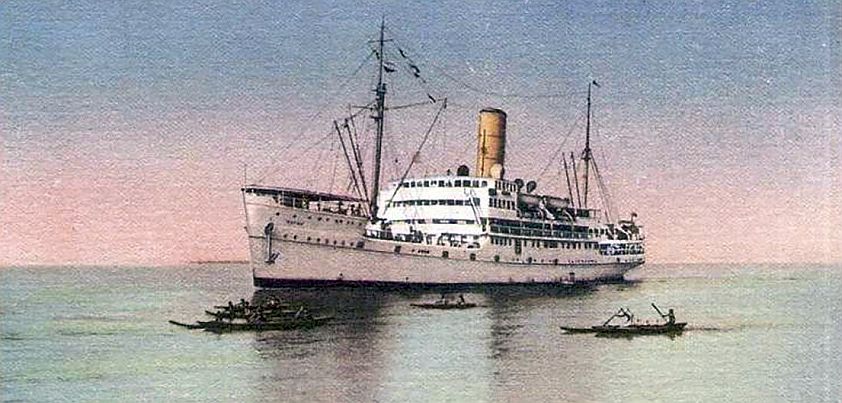 This story by N. V. M. Gonzalez describes a journey on a Philippine passenger-cargo ship from a small port to its provincial capital. In addition to paying passengers, the ship is transporting a young cargardor (stevedore) who was critically injured during the loading of cargo to the capital for medical treatment. Tending him are his pregnant wife and her mother. Despite a supposed telegraph request for a doctor meet the ship on arrival, as the ship departs the capital they are left stranded on the dock with no sign of help. Themes include suffering, inhumanity, social class, superstition. More…
Children of the Ash-Covered Loam
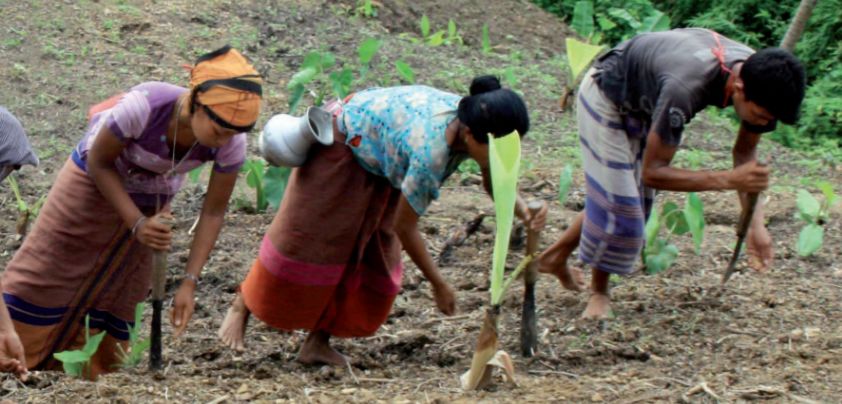 This charming story by N. V. M. Gonzalez describes life and ritual during the planting season in a Philippine subsistence farming family. The major conflict in the story, where families band together to communally sow each other’s kaingin (slashed and burned fields), is with nature. A feature of the story is the coming of age of a seven-year-old boy as he receives his first farming responsibility and comes to understand how life emerges from the dark womb of the land. Themes include family, community, living in harmony with the land, the cycle of life, superstition and ritual. More…