Soldier’s Home

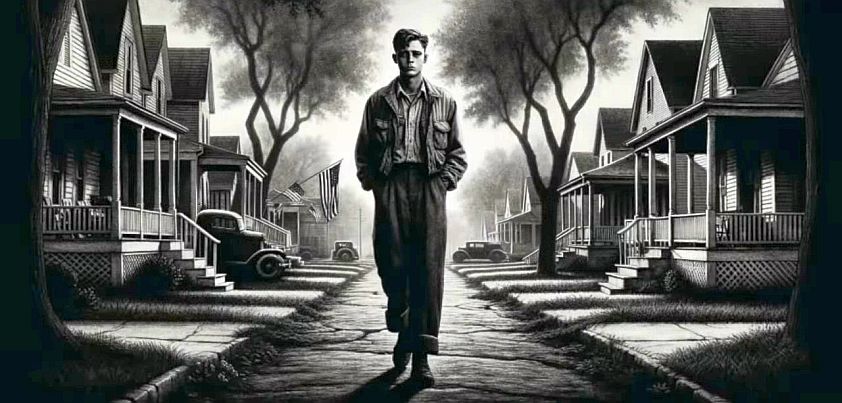
Soldier's Home: Short story by Ernest HemingwayThis story by Ernest Hemingway about an American soldier’s difficulty “fitting in” after returning from World War 1 is a wonderful example of the author’s Iceberg Theory, with much of the protagonist’s background hidden from readers. Upon return, the soldier finds himself alienated from his culture, community, friends, and family. He falls into depression and lethargy, obsessed with watching local girls go by, but avoiding contact with them. This may be due to an earlier failed relationship, or his distaste for his pious, controlling mother. Themes include PTSD, alienation, cultural and social change, fear of involvement and commitment.
Continue ReadingSoldier’s Home

The Short Happy Life of Francis Macomber

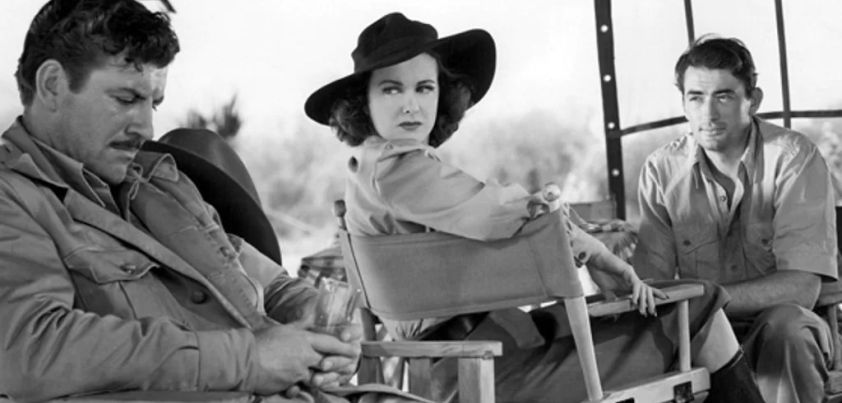
The Short Happy Life of Francis Macomber: Short story by Ernest HemingwayAuthor Ernest Hemingway goes to great lengths to set up an ambiguous ending to this story about a rich American couple’s fateful big game hunting safari in Africa. No longer (and perhaps never) in love, the couple barely tolerate each other. She can’t afford to divorce him, and he is unlikely to find a more attractive trophy wife. Readers are left to consider whether Francis’s death was murder or an unfortunate accident. What do you think? The major themes are clearly courage and masculinity. Other themes: fear; shame; violence; marriage breakdown; beauty & aging; adultery; misogyny & female stereotyping.

Continue ReadingThe Short Happy Life of Francis Macomber

Up in Michigan / My Old Man

Up in Michigan / My Old Man: Short stories by Ernest HemingwayToday we have two short stories from Ernest Hemingway’s first book, Three Stories and Ten Poems, published in Paris in 1923. Although they don’t exhibit the tight, straightforward writing style for which Hemingway later became famous, they are indicative of the writing genius to come. The first, Up in Michigan, issues a grim warning to women about date rape. The subject matter was so contentious that it wasn’t considered publishable in the United States until 1938. The second story, My Old Man, is a coming of age story dealing with a boy’s relationship with his jockey father.

Continue ReadingUp in Michigan / My Old Man

The End of Something / Three-Day Blow

The End of Something / Three Day Blow: Short stories by Ernest HemingwayThese two Ernest Hemingway stories should ideally be read together as they are linked by storyline (the end of a relationship) and major themes (change, friendship and moving on). The lumber town of Hortons Bay has died and its people have left because all the old-growth trees have been cut down. Like the townspeople, Nick Adams is planning a new beginning. He has decided to break up with girlfriend Marjorie, telling her “it isn’t fun anymore”. We learn the reason in the second story, which introduces additional themes of class and/or racial prejudice, selfishness, mateship and regret.

Continue ReadingThe End of Something / Three-Day Blow

Cat in the Rain

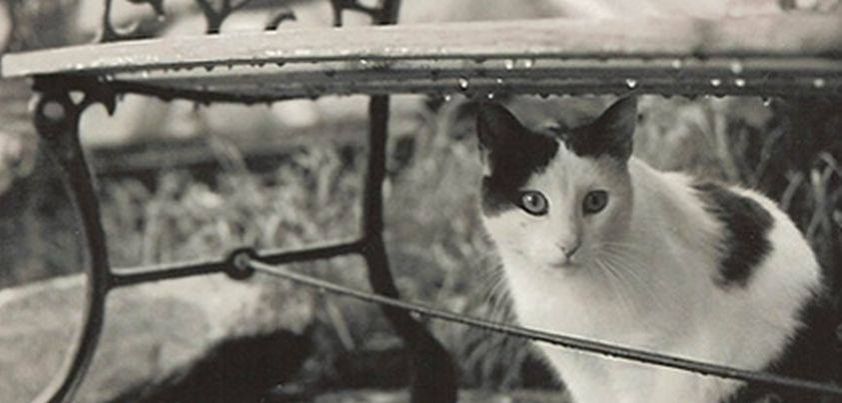
Cat in the Rain: Short story by Ernest HemingwayOn the surface, this story by Ernest Hemingway is a simple tale about a couple spending a rainy afternoon in a hotel room during an Italian holiday. The woman feels pity for a cat trying to stay dry under an outside table. Readers often interpret this as a symbol of the woman feeling trapped in an empty relationship. Possible causes include a lack of mutual love and respect, incompatibility, and the woman’s childishness and greed. Themes include the aftermath of war, kindness, communication breakdown, isolation and loneliness, boredom and disappointment, gender roles and femininity, dissatisfaction and unfulfilled desires.

Continue ReadingCat in the Rain

Old Man at the Bridge

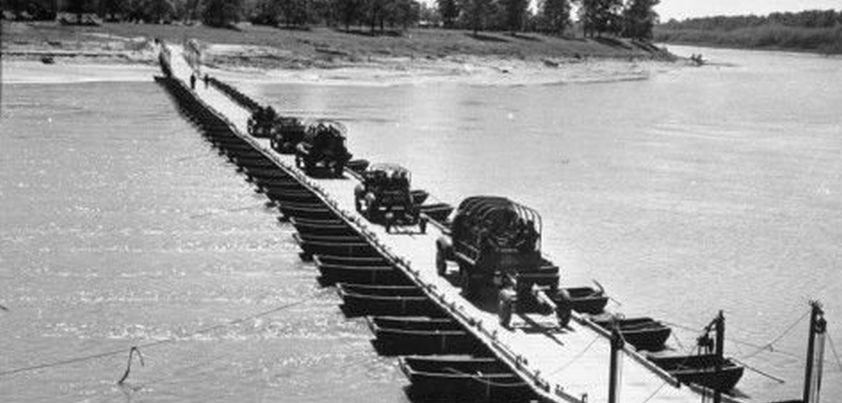
Old Man at the Bridge: Short story by Ernest HemingwayAlthough a war story, the major theme of this vignette by Ernest Hemingway is not the physical horrors of armed conflict, but rather the psychological impact on the lives of those caught up in its wake. An old man has dedicated his life to caring for several pets. Forced to set them free and flee, he now fears for their safety and sits alone on a bridge, having lost the drive to go on. The narrator, a soldier focused on this duty, reluctantly leaves him to his fate. Other themes include alienation, anxiety, guilt and despair, resignation, duty vs. compassion.
Continue ReadingOld Man at the Bridge

Indian Camp

Indian Camp: Short story by Ernest HemingwayThis story by Ernest Hemingway tells how a young boy ‘comes of age’ as he witnesses the saving of a woman’s life, the birth of her baby, and the death of her husband – all in the space of just a few hours. A feature of Hemingway’s short stories is that he often leaves important details open to the reader’s interpretation. In this story, we come away wondering why the woman’s husband killed himself. Some people suggest that the boy’s Uncle George may have had something to do with it. Themes: birth and death, suffering, masculinity, suicide.

Continue ReadingIndian Camp

A Day’s Wait

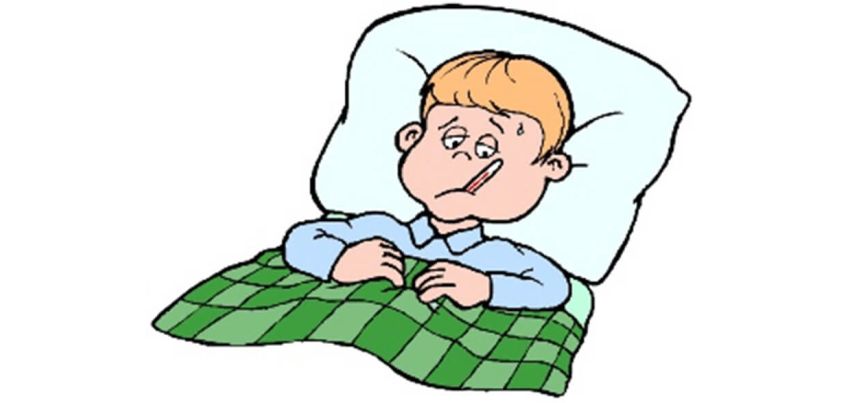
A Day's Wait: Short story by Ernest HemingwayThe message of this story from Ernest Hemingway is the importance of two-way parent-child communication. A doctor attributes a boy’s high temperature to influenza and prescribes medicine. Over the course of the day, the boy remains “detached” and begins to act strangely. He is sure the doctor and his father are hiding something more serious from him. Had the father taken the time to make sure his son fully understood what the doctor said, or the son raised his concerns immediately, both would have been spared a lot of anxiety. Themes: father-son relationships, innocence, misunderstanding, fear, masculinity, stoicism.

Continue ReadingA Day’s Wait