 This story by Kazuo Ishiguro is a farcical satire of a man trying to save his stagnating marriage. He manipulates a mutual friend living overseas into providing company for his wife while he is away on business. The friend has achieved little in life and the husband hopes that the contrast will make his wife appreciate him more. A hilarious sequence of events unfolds as the friend tries to cover up damage he caused to the wife’s appointment book after reading unflattering entries about himself. Themes include friendship, alienation in marriage, manipulation, sacrifice, disappointment, the power of music, memories, regrets. More…
Archives
A Village After Dark
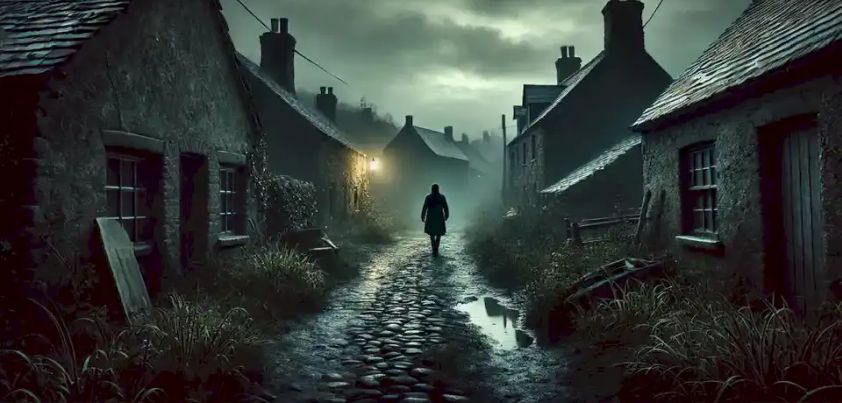 If you like a story where everything is neatly tied up at the end, this dream-like tale by Kazuo Ishiguro may not be for you. A filthy, feeble old man dressed in rags returns to a village in which he was a person of influence many years ago. His memory is failing, so the village feels somewhat alien. His purpose is to “make amends”, but we aren’t told what for, Older villagers are uneasy about his return, while to the younger generation he is a cult-like hero. Themes include identity, alienation, redemption, jealousy/ego, bullying, aging and the fragility of memory. More…
A Family Supper
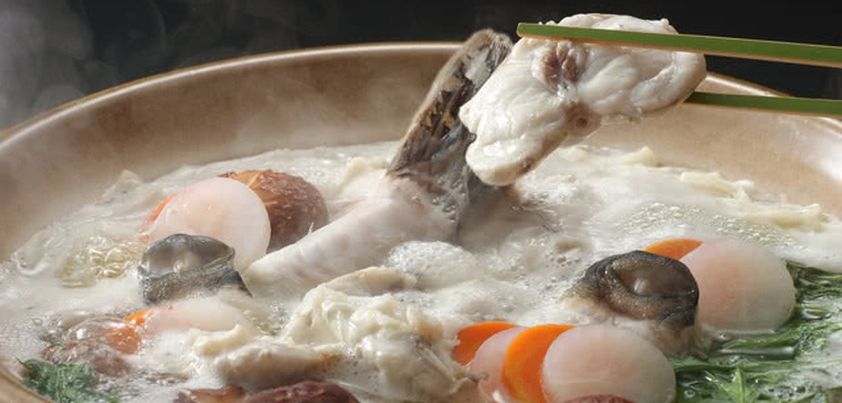 A common feature of Kazuo Ishiguro stories is their ambiguous endings. A young Japanese man returns home after living in America following a falling out with his parents. His mother has died from eating poisonous fugu fish, and his father feels disgraced over the collapse of his business. As a matter of honour, his business partner killed his family and committed suicide following the collapse. At the end of the day, the family sits down to a delicious fish supper prepared by the father. Themes include change (heritage and tradition vs. modernity), generational conflict, family disconnection, grief, guilt, “honour”, murder-suicide. More…