 The major message of this acclaimed story from Joseph Conrad is that you can’t escape reality: there is no place where death is forgotten — where death is unknown. Arsat, a powerful warrior, risks all for the love of a royal slave girl. While making their escape, he abandons his devoted brother as he is being attacked by pursuers. Some time later, the woman dies of fever in their lagoon-side jungle hideaway. Experiencing remorse over both deaths, he decides that the only path to redemption is (some would say unjustified) retribution. Themes: brotherly love, romantic obsession, courage, betrayal, guilt, isolation, death. More…
All posts by shortsonline
Yellow Woman
 “Yellow Woman” is a central, usually heroic figure in the folklore of Pueblo Native Americans. Like Leslie Marmon Silko’s protagonist, she is often portrayed as an independent, sexually uninhibited character who connects with the spirit world. This story blurs the lines between that myth and reality. The “real world” presented is full of conflicts: old ways vs. new; pristine landscapes vs. ranches and highways; law and order vs. cattle theft and murder; faithfulness vs. desire. In the end, it is this reality that wins the day. Themes: storytelling, myth vs reality, identity, interconnectedness with nature, empowerment through sexuality. More…
Idyll
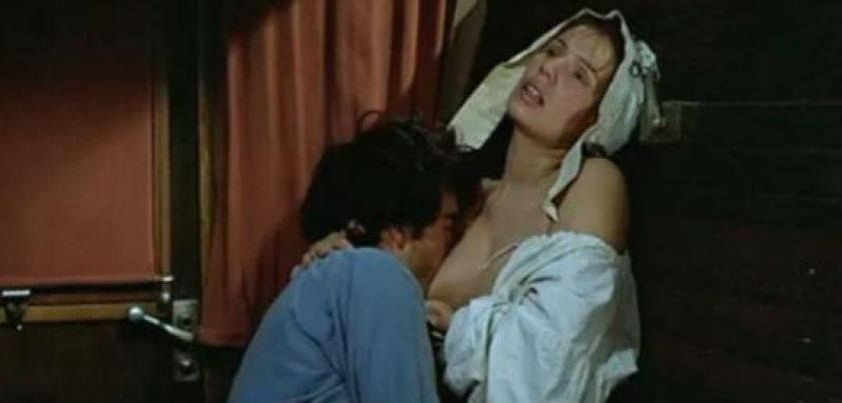 In this story by Guy de Maupassant, a man and woman share a compartment and become friends during a long train journey. The idyllic countryside is in contrast to the way the woman feels. She is a wet-nurse (a woman who cares for and breast-feeds other people’s babies) and is in great pain because she hasn’t had a baby to her breasts in over two days. The man offers to help and, in so doing, solves a problem of his own. Themes include connection, desire, social perceptions of human anatomy and function, defiance of social norms to satisfy a basic need. More…
Mary Postgate
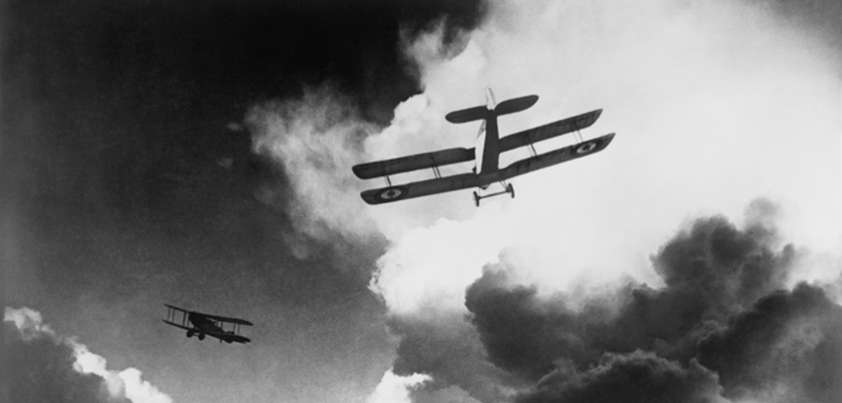 Set in World War 1, Rudyard Kipling‘s Mary Postgate, can be interpreted in a number of ways, each of which suggests a different reason for the unusual reaction of the protagonist (a prim, proper, middle-aged spinster) to watching the slow, painful death of a seriously injured pilot. Her almost orgasmic physical response and subsequent behavior – a luxurious hot bath before tea – indicate that she found it an uplifting experience. This suggests that her bitterness was directed at not only the enemy, but also other aspect(s) of her life. Themes: the brutality of war, repression, loss, anger, revenge, release. More…
The End of Old Horse
 In this coming of age story by Simon Ortiz, “Old Horse” is a dog that chokes to death trying to free itself from a rope tying it to a pole. Earlier, two boys had observed the dog chewing at the rope and barking and snarling every once in a while. They mentioned this to its owner, a family friend, who replied that the dog is just being dumb. The rest of the story focuses on the boys’ reaction to what may have been their first experience with death and grief. Themes include freedom, loss, anger, grief, “manliness” and self-control, change. More…