 This story by Bjørnstjerne Bjørnson spans four generations descended from a Norwegian cottar said to practice the black arts. He composed a bridal march for his daughter, warning that woe would come to any girl it played to church who was not a happy bride. One descendent wasn’t and paid the price. A major theme is forbidden love, with each descendant marrying someone from a different social class. In the final union, the cottar’s great-great granddaughter brings alienated sides of the family together by marrying his grandson. Other themes include social class and conventions, family duty and conflict, the supernatural. More…
All posts by shortsonline
Ahoy, Sailor Boy!
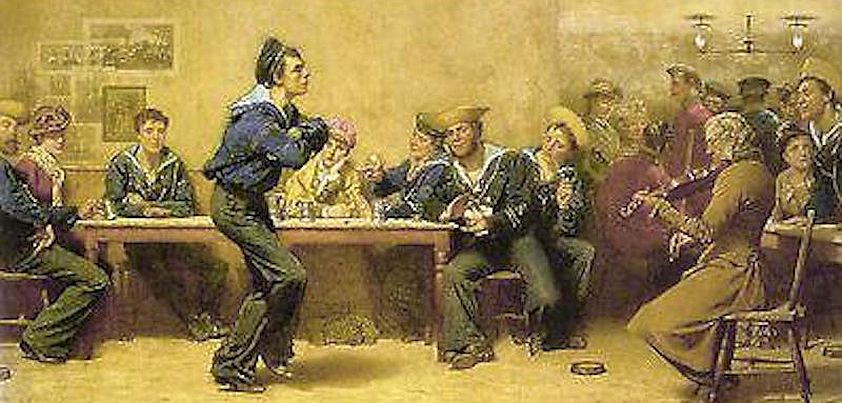 This story by A. E. Coppard takes a light-hearted look at death and what comes after. Following a discussion in an English pub about death and divine retribution, an off-duty sailor unsuccessfully tries to solicit an attractive ghost in a park. The woman’s sin was vanity, as represented by a huge collection of expensive clothing. In order to obtain redemption, she must re-wear and discard every item in the collection. She is wearing the last outfit, and the sailor eagerly watches as she undresses for the last time. Themes include death and the afterlife, vanity, sexuality, kindness, redemption, the supernatural. More…
The Refugee
 This story by K. A. Abbas deals with the social upheaval caused by the 1947 Partition of India. Told from the perspective of an elderly Sikh woman, it compares the community spirit and religious tolerance that existed before Partition with the hatred, bloodshed and displacement of Sikh and Hindu families that occurred afterwards. The compassionate, once wealthy protagonist, who lost everything when forced to flee Rawalpindi, demonstrates neither bitterness nor self-pity. However, she still sheds a tear for the “soft” memories like ripe apricots and fragrant baggoogoshas… Themes include brotherhood and inclusiveness vs. religious hostility, alienation, suffering, identity, resilience. More…
The Patient Cat
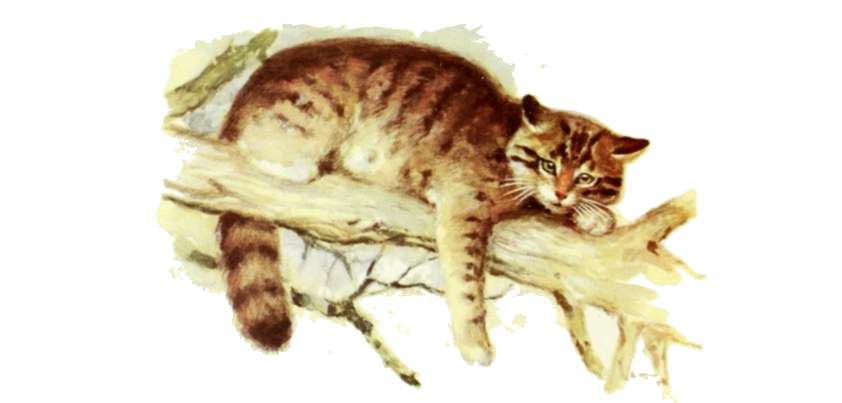 This short fable by Laura E. Richards teaches a lesson about patience. The cat showed patience in waiting for the bird to lay all of its eggs, and then waiting until the eggs had hatched. It also showed patience in not pouncing as soon as the chicks were born, but leaving them until they started to get fat. There was a point shortly after this where the cat should have enjoyed its meal. This leads to the moral of the story: being patient is a good thing, but it is equally important to know the right time to act. More…
Vision out of the Corner of One Eye
 Two frequent themes in Luisa Valenzuela’s short stories are the daily violence associated with living in 1960/70s Argentina and feminism. This is one of the latter, satirizing gender imbalance and “Machismo” in society. A woman traveling on a crowded bus feels herself being groped. When she tries to move away, more people get on the bus and the groping develops into “fondling” and “jiggling”. Rather than make a scene, she gives the pervert some of his own medicine and more… rubbing his behind and expertly removing his wallet in the process. Themes include sexual assault, indignation, distress, doubt, revenge, theft. More…