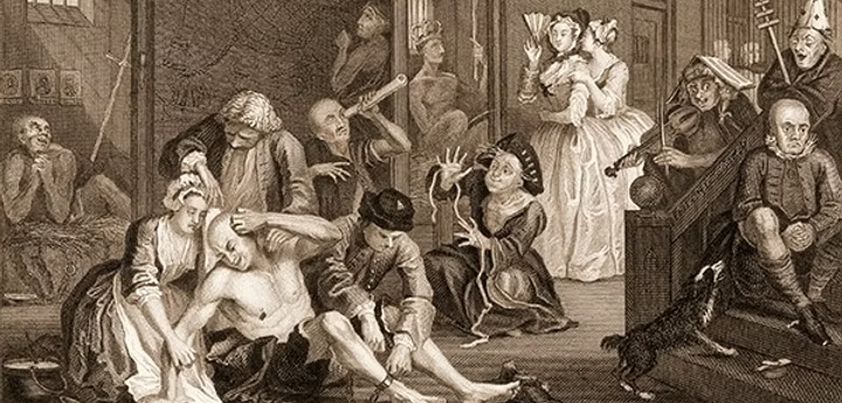
 This story by Miguel De Unamuno highlights the danger of defying societal expectations in culturally backward, late 1800s Spain. When a highly respected physician begins to publish increasingly bizarre satirical short stories as a pastime, his patients express concern over his ability to treat them. Despite assurances from another doctor, they desert his practice and question his sanity. Such talk eventually leads to him entering an asylum where he spends the rest of his life a confused, broken man. Themes include individualism, intellectual complacency (of the Spanish masses), duality (logic and practicality vs. fantasy and satire), the nature of madness. More…
All posts by shortsonline
Snapshots of a Wedding
 Set in the mid-1990s, this story by Bessie Head explores two aspects of a Botswanan wedding. The first is the rituals observed at the event and how, as a “modern wedding”, a lot of the traditional courtesies had been left out of the planning. The second is the circumstances leading up to the wedding, with the author seemingly inviting readers to judge whether the groom, who is rich in cattle and loved and respected by all who knew him, made the right choice for a bride. Themes: tradition vs. modernity, marriage, education, hubris vs. humility, money and status vs. love. More…
The Curious Case of Benjamin Button
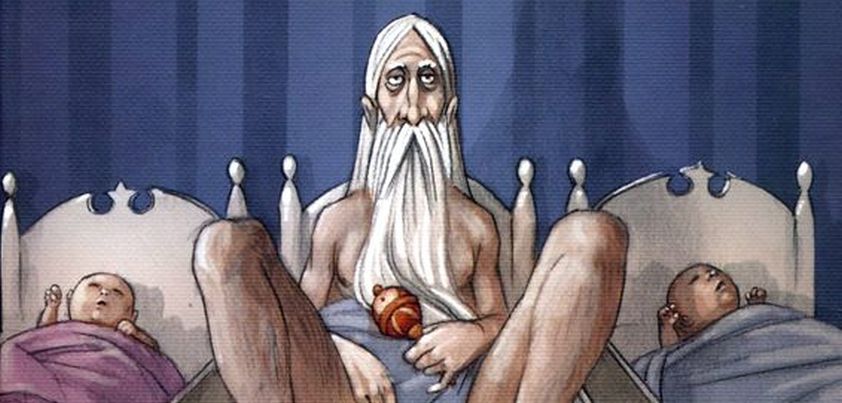 This F. Scott Fitzgerald story recounts the life of a man who grows “younger” by getting “older”. Themes include identity, social standing, and self-centeredness. The major theme, identity, is explored in the context of chronological age dictating expected behavior (e.g. “young” Benjamin obliges his father by constantly breaking things, whereas his “old” body would rather be smoking cigars). The people around Benjamin care more about protecting their reputations against gossip and scandal than they do about his condition. Finally, Benjamin proves himself as heartless as they are by hiding the problem and luring an unsuspecting woman into a doomed marriage. More…
My Lucy Friend Who Smells Like Corn
 Many of Sandra Cisneros’s stories are vignettes (narrative descriptions without a plot). This one provides a snapshot of a young girl’s relationship with her friend Lucy. The two girls identify as Chicanos (USA born Mexican-Americans). Cisneros makes extensive use of Chicano dialect and fragmented sentences to create a realistic atmosphere. The narrator’s tone (feisty) is also typical of Chicano youth. The main theme is, of course, friendship. However, a closer read will reveal deeper themes and emotions beneath the narrator’s bravado. These include ‘aloneness’ (the wish for a large, close family like Lucy’s) and envy for Lucy’s freedom and independence. More…
In Search of Epifano
 In this story by Rudolfo Anaya, an eighty-year-old woman leaves her loveless marriage and unfulfilling life in California behind to follow her passion (painting) and search for her familial, ethnic and spiritual roots in the Mexican desert. She journeys to the abandoned ranch of her great-grandfather Epifano, who she believes is calling her in her dreams. As she overlooks the ruins of his hacienda, a tall Indian with Epifano’s eyes guides her through an ancient ceremony in which her moan of love is like a new life as a blinding flash fills her body. Themes include heritage, identity, emptiness, epiphany. More…