 In this story by Henry Slesar, a sensitive, handsome man has spent his life having his every need catered for by the women in his life. Unfortunately, he now finds himself trapped in a loveless marriage to a rich, bed-ridden woman who takes pleasure in having him at her back and call. Things take a positive turn when she hires an attractive nurse/companion. Romance blossoms and the two come up with a plot to do away with the wife. Things don’t go as expected, but the desperate husband has a backup plan. Themes include control, despair, manipulation, deception, jealousy, crime. More…
All posts by shortsonline
Naming the Names
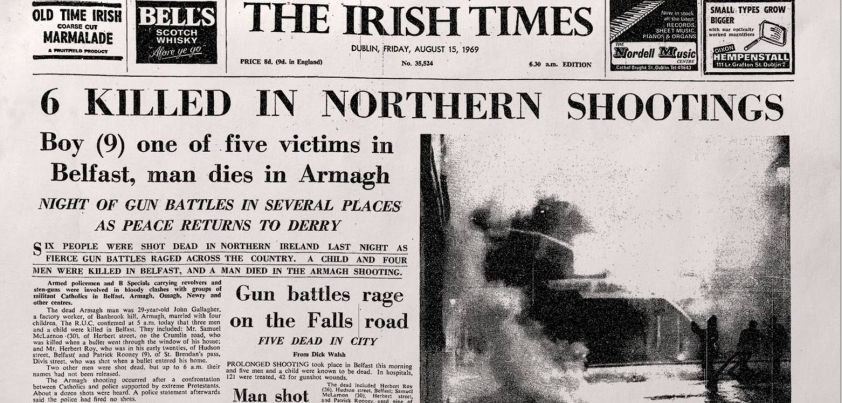 Set during the Irish Troubles, the major themes of his story by Anne Devlin are love, loyalty and betrayal. Other themes include identity, the cyclical nature of violence, urban change/devastation, taking responsibility for one’s actions, and the humanization of terrorism. The plot is non-linear, with regular flashbacks to earlier times. An insecure woman who has been indoctrinated in the Republican cause since childhood joins the IRA. She plays a minor role until a decision is made to target a prominent British official, and finds herself perfectly placed to lure his son (who is also her lover!) into a deadly trap.
More…
A Temporary Matter
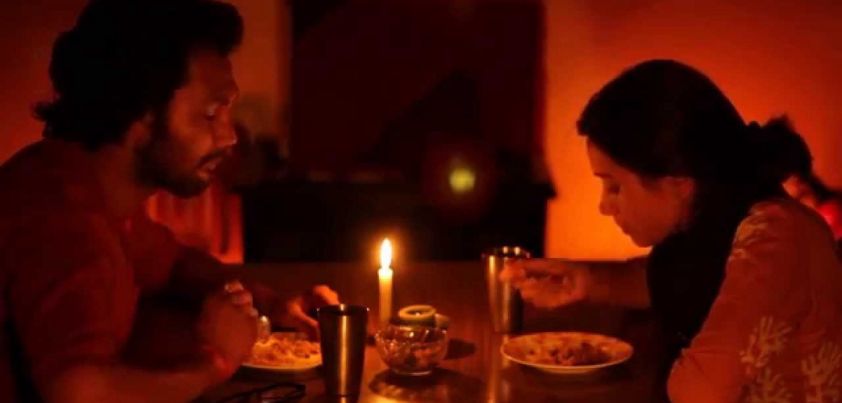 This story from Jhumpa Lahiri deals with one of her common themes: alienation within a relationship. A young, once happily married Indian-American couple have drifted apart following the loss of their stillborn first child. A week of evening power outages leads to a word game that gets them beginning to communicate again. Although neither raises the big issues between them, there appears hope for a re-building of the relationship. Unfortunately, at weeks end the woman shares news that devastates the man. He responds with a cruel truth of his own. Other themes: grief, guilt, lack of communication, deception, moving on. More…
Wise Folks
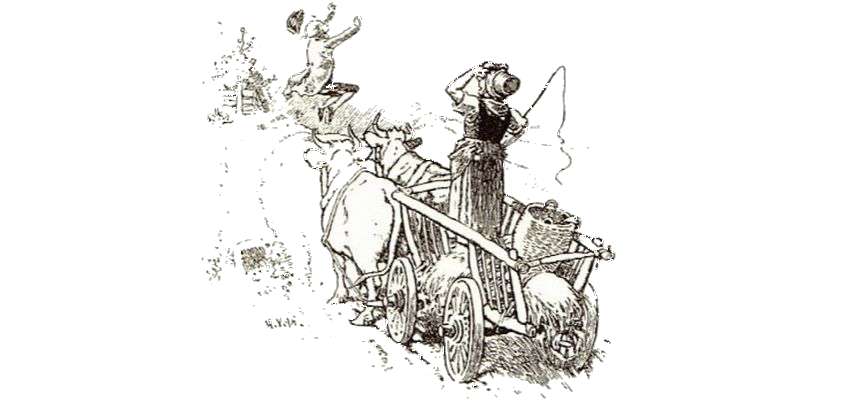 In this folktale (aka The Clever People), a cruel farmer is angry with his wife because she was cheated out of two cows. He promises not beat her for it if can find someone more foolish. He soon finds one: a widow who is worried about how well her dead husband is doing in Heaven. The farmer makes up for losing his cows by cheating the widow out of a bag of money and stealing a horse from her son. At the end of the story, he seems to think that it is OK to cheat foolish people. More…
A Ride Out of Phrao
 In this story by Dina Nayeri a willful, “middle-aged” Iranian-American woman whose life has fallen apart in the United States joins the Peace Corps and is posted to a small village in Northern Thailand. After exploring some of her experiences settling in, the story moves to a visit by her estranged daughter. The mother is a shameless liar and had even lied about the accommodation they would be sharing… a steamy hut with a squat toilet! Needless to say, the visit doesn’t last long. Themes include community life, culture clash, isolation, social conventions, mother-daughter relationships, identity, truthfulness, resistance, perseverance. More…