
Sweet Porridge
 In this German folktale (also known as The Magic Porridge Pot), a kind old woman gives a magic pot to a poor girl looking for something to eat in a forest. When someone says special words, the pot cooks sweet porridge. The only problem for the girl, her mother and the village they live in is that you need to say special words to make the pot stop cooking. This is a popular teaching story for 3-5 year-olds, made more so because the poem that inspired it was also the source for a famous Disney film segment.
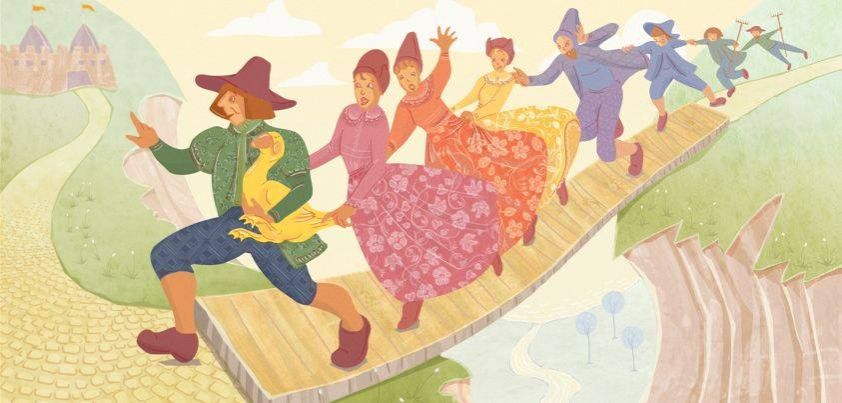 The Golden Goose is about a kind but not very clever young man who one day shares his food with a hungry old man. The old man tells him where to find a goose that has feathers of gold. The goose has a strange power. Those who touch it, and any who touch them, cannot remove their hands. A king, who has a daughter that has never laughed, has promised that she will marry the first man to make do so. The man and goose, with seven people running behind stuck fast to them, look silly enough to do this.
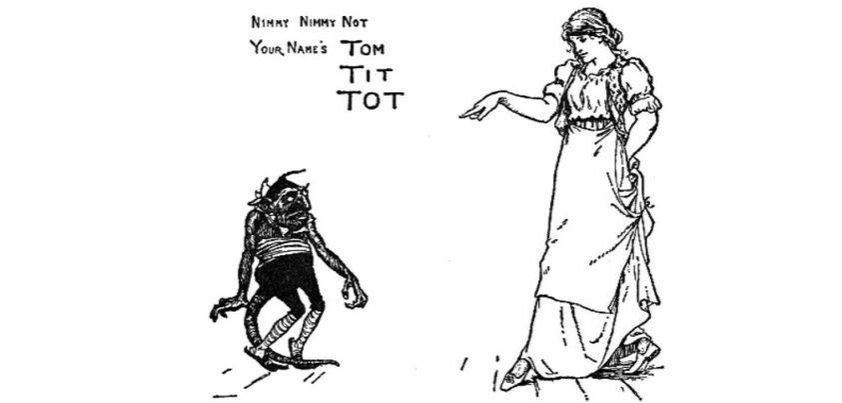 The protagonist in Tom Tit Tot is a lazy girl who doesn’t appear to be good at anything except eating. Her mother lies to the king by saying she is a whiz with the spinning wheel. For some reason this is just the kind of girl the king is looking to marry. The poor girl can’t even spin a top, so in order to avoid losing her head she accepts an offer of help from a small magical creature. As the creature helps the girl, she must try to guess its name. If she can’t, she shall become “its”.
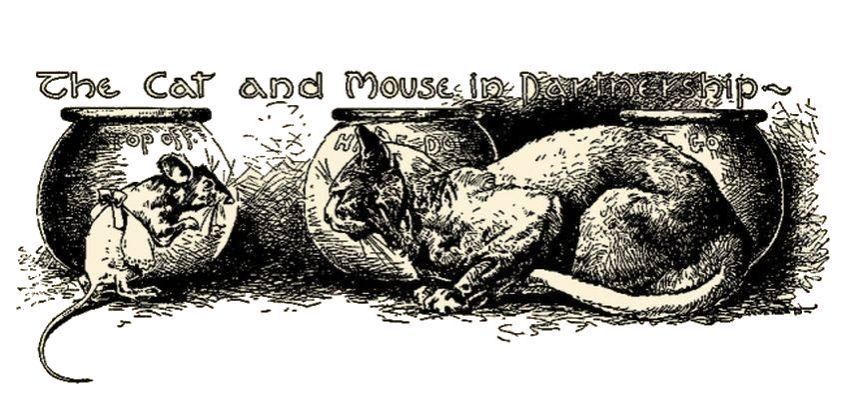 This folktale is about a greedy cat that cheats a trusting friend. A cat and mouse decide to live together. They discover a pot of ‘fat’ (probably dripping) and hide it in a safe place so they will have something to eat over winter. Unfortunately, the cat cannot stop thinking about the pot and empties it well before time. In most folktales, something bad would happen to the cat to teach it a lesson. Not so here! When the mouse complains, the cat does what cats normally do. The moral: You can’t change the natural ways of the world.
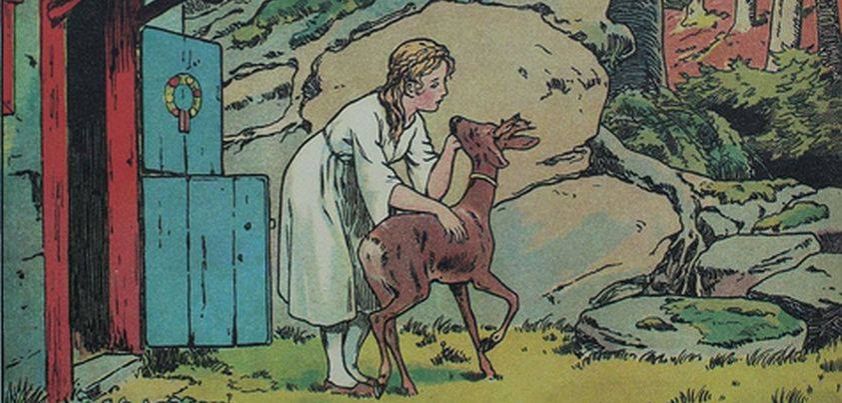 This is a well-known European folktale. A brother and sister run away from home after years of being badly treated by (you guessed it!) their wicked stepmother. The stepmother also happens to be a witch, and the children have some unlikely adventures. The brother is turned into a deer that loves nothing better than to be hunted. The sister becomes a Queen, has a baby, and is murdered by (you guessed it!) the wicked stepmother. Fortunately, the sister’s ghost comes back to life, the brother is made normal again, and they all (except the wicked stepmother) live happily ever after.
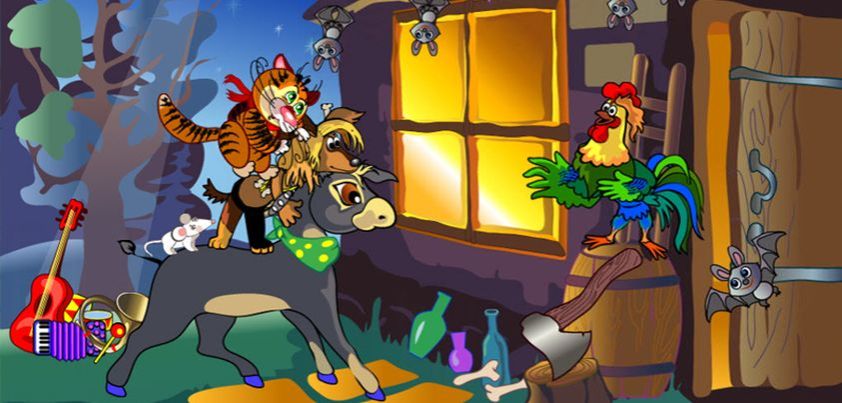 The Town Musicians of Bremen is a story about four animals that have worked hard all their lives. They are now too old to work and face either being badly treated or killed by their owners. One by one they leave their homes and set out together to become musicians in the town of Bremen. However, they never reach Bremen. During the journey, the animals come upon a house owned by a band of robbers. By working together, they are able to frighten the robbers away and live happily in the house for the rest of their days.
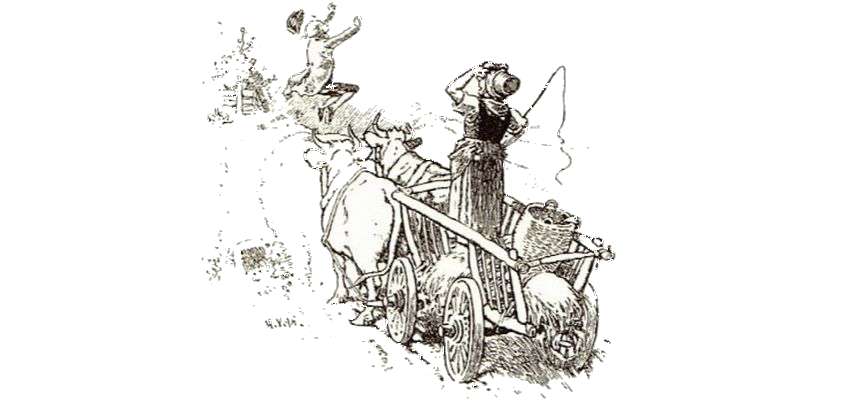 In this folktale (aka The Clever People), a cruel farmer is angry with his wife because she was cheated out of two cows. He promises not beat her for it if can find someone more foolish. He soon finds one: a widow who is worried about how well her dead husband is doing in Heaven. The farmer makes up for losing his cows by cheating the widow out of a bag of money and stealing a horse from her son. At the end of the story, he seems to think that it is OK to cheat foolish people.
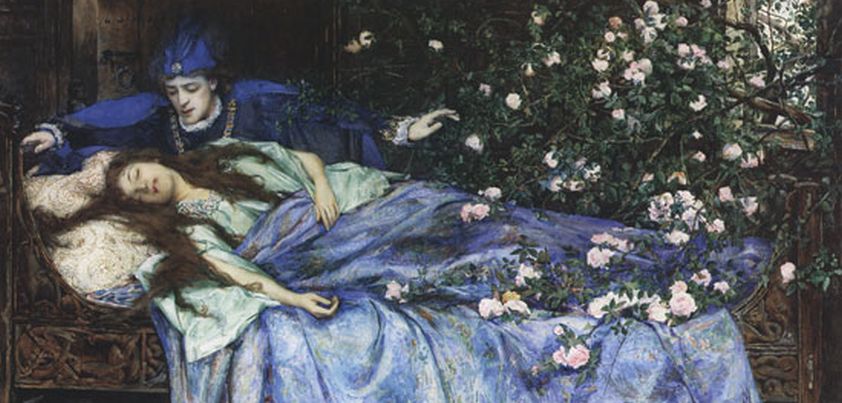 Today we have a reverse chronology of the folktales behind the classic children’s story, Sleeping Beauty. The famous kiss that woke the princess comes from the Brothers Grimm’s Briar-Rose (1812). Charles Perrault’s Sleeping Beauty in the Wood (1697) has no kiss but lots of talk, a hasty wedding followed by a night of “very little sleep”, and an added section where the prince’s mother (an Ogress) decides to make a meal of their children. Perault’s inspiration was the Giambattista Basile’s Sun, Moon and Talia (1634). Here, the king “gathers the first fruits of love” (rapes) the poor unconscious girl.