 As suggested in the title, this early story by Samuel Beckett contains several allusions to Dante’s Divine Comedy. Unfortunately, some of its nuances will be lost on readers unfamiliar with this work. Hidden among the allusions is an absurdist comedy spanning an afternoon in the life of a solitary, eccentric student having trouble with his studies. He is selfish and conceited, fanatical about unimportant things (such as making the perfect toasted sandwich), and apathetic towards things that matter (his studies, politeness, compassion.) Themes include sloth, frustration, the meaningless and futility of life, suffering and death. More…
All posts by shortsonline
Night Driver
 In Italo Calvino’s Night Driver, a man speeds to his girlfriend’s house to apologize about a phone argument during which he called off their relationship. He needs to get there quickly, because she threatened to call a rival. He faces two problems in getting there on time: 1) they live far apart, so it is a long drive; and 2) he thinks too much. As he drives, the man examines every possibility as to what the other two may be doing, whether one or both could also be driving along the same highway, and what other steps he should take. More…
The Prussian Officer
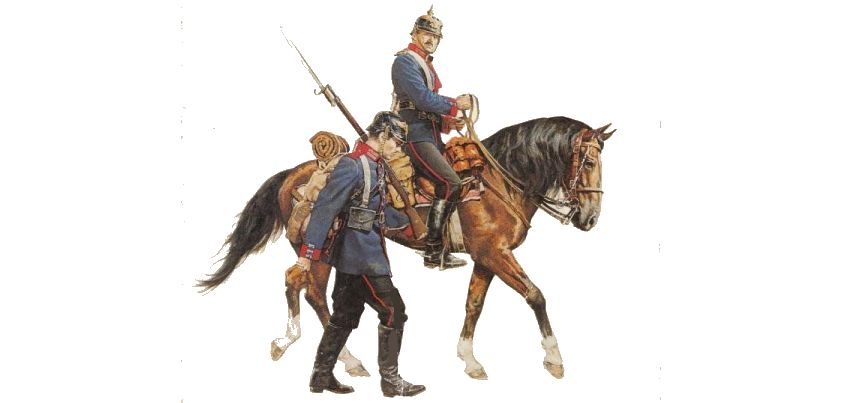 The central themes of D. H. Lawrence’s The Prussian Officer are homoerotic attraction and abuse of power. An aristocratic officer becomes envious of and sexually attracted towards his orderly. Drawn by the twenty-two-year-old’s youthful innocence and vigor, the officer denies and tries to repress his feelings. Sensing what is happening, the orderly is cooler than usual towards him. The agitated officer responds cruelly, and the tension between them mounts until reaching a point where the orderly can take no more. Minor themes: (the officer) jealousy, denial, obsession, sadism; (the orderly) duty, loss of innocence, humiliation, isolation, loss of self-control. More…
The Cone
 When the manager of an iron-works takes an artist friend he knows to be sleeping with his wife on a tour of the furnaces, it seems inevitable that one of them will meet with an unfortunate ‘accident’. The power of this H. G. Wells story lies in its gradual build-up of suspense and vivid descriptions of the industrial landscape and smelting process. Major themes are adultery, revenge, violence and (for modern-day readers) environmental degradation. Ironically, when the story was published in 1895, readers would have identified the fourth theme as something akin to ‘progress’. More…
The Hit Man
 T. C. Boyle’s The Hit Man is a clever satire of the short story genre. Written in short paragraphs under sub-headings, the story contains all the necessary elements of a short story. What makes it unusual is that Boyle is able to provide a meaningful account of his protagonist’s entire life (boyhood, adolescence, courtship, death of parents, ‘career’, marriage, family, retirement, death… and even dislike of peas!) in less than 1,200 words. He also manages to deal with some serious issues (bullying, schoolyard violence, judicial system failure, gratuitous murder, glamorized crime and death) along the way. More…