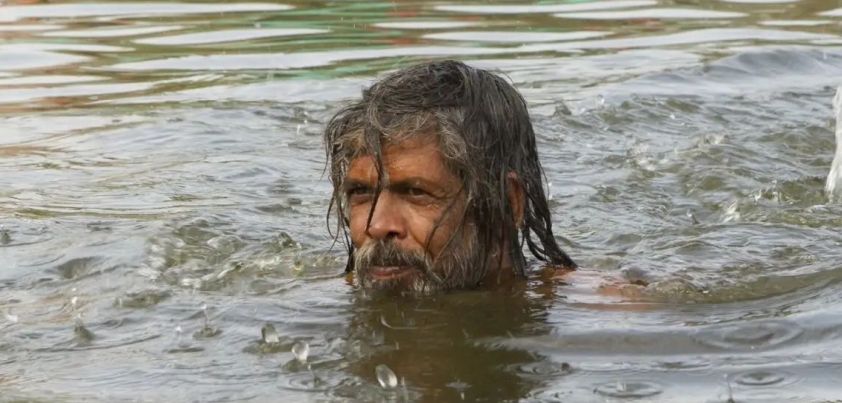
 This humorous story by Manoj Das takes a satirical swipe at the abuse of power and narcissism of Indian officials. A mayor belittles his old professor for complaining about a stray cow that chewed up his granddaughter’s psychology notebooks. Karma strikes when that same cow runs off with the mayor’s half-eaten clothes and car keys as he is taking a dip in a secluded part of a river. He experiences an epiphany as he floats down the river, lying naked in a boat, after people arrive and start searching for him. Themes include ambition, power, pride, narcissism, self-discovery, redemption, regret. More…
All posts by shortsonline
Zebra
 The major theme of this inspirational story by Chaim Potok is healing. Zebra (aka Adam) is hit by a car while pursuing his passion for running. His physical injuries are slowly healing, but he is depressed over the prospect of never being able to run as well again. When John Wilson, a volunteer art teacher who lost an arm in Vietnam, comes into his life, Zebra learns that it is possible to live a full and meaningful life despite physical limitations. Wilson deals with his emotional pain through his art. Perhaps Zebra can as well! Other themes: loss, friendship, understanding. More…
There’s a Man in the Habit of Hitting Me on the Head with an Umbrella
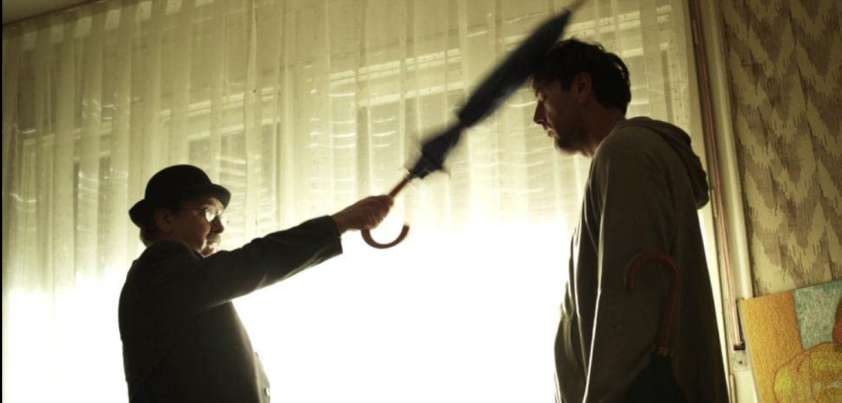 The long title of this story by Fernando Sorrentino neatly summarizes the plot. The only other thing readers need to know is that the protagonist reaches the point where he does not think he can live without the torment of the “umbrella man”. Themes of tolerance and conditioning lead to two metaphoric interpretations of the story. The first involves leaning to deal with the constant pressures and occasional absurdities of modern life. A more concerning interpretation is our growing indifference towards community and world problems as a result of being reminded about them so often. More…
The Frog
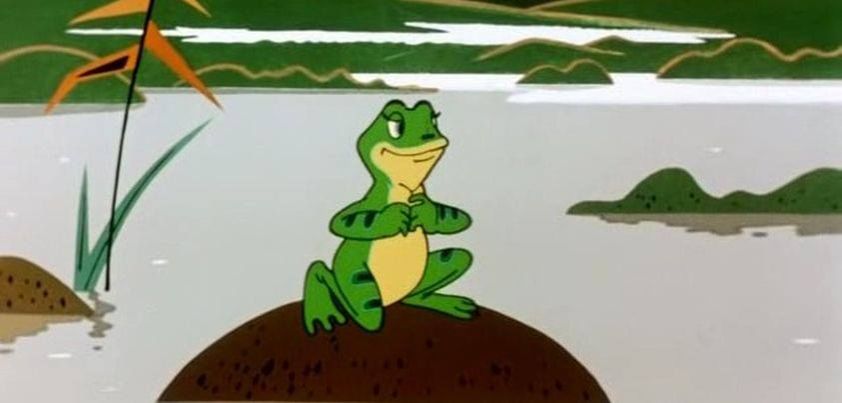 Most ‘frog’ folktales involve a frog prince or at the very least a male frog. However, in this story from Italy, a female frog makes friends with a young man and helps him keep his mother happy as he searches for a wife. Little does the young man know that his perfect woman is sitting on a rock beside him. Three possible morals: 1) Sometimes we don’t appreciate those around us enough; 2) Often the thing we are looking for is right under our noses; 3) Or how about the English idiom beauty is only (frog) skin deep. More…
The Artist / Painter
 With over 100 to choose from, it was hard to decide where to start with the short stories of Bengali writer Rabindranath Tagore. In recognition of his mastery of so many fields, we have chosen this lesser-known story written in 1929. This was a year after Tagore took up painting (at age sixty-seven!) and went on to re-shape the Indian art world. The themes of the story reflect Tagore’s life: embrace your passions, and don’t let the criticism of others (such as the ‘connoisseurs’ who laughed at Rangalal) or worship of money (as demonstrated by Govinda) stand in your way. More…