
The Summer Solstice
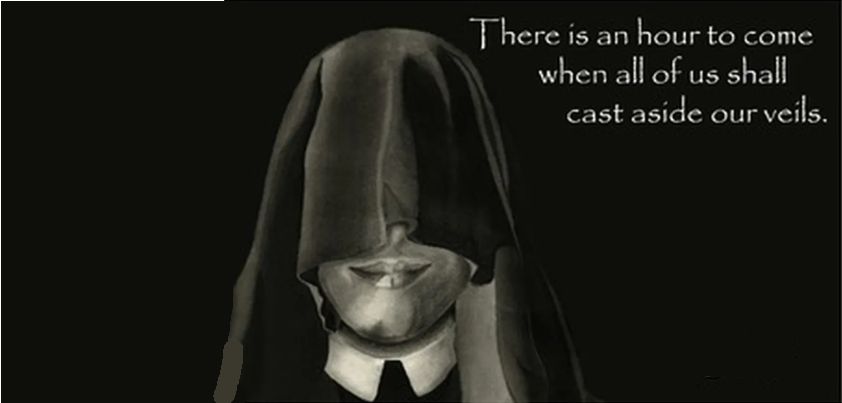
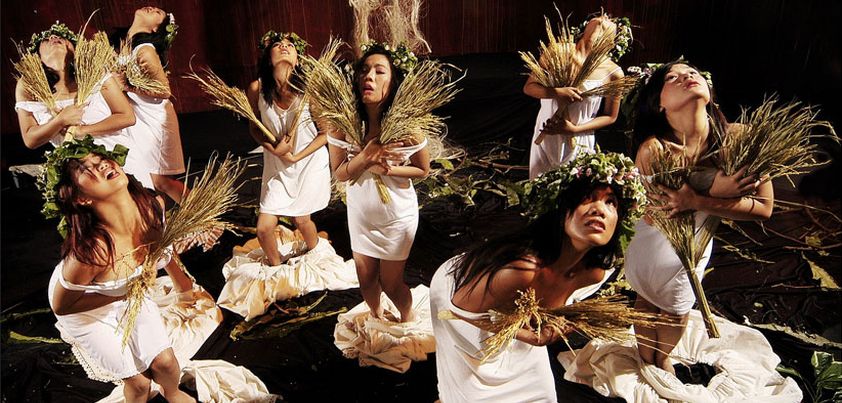 This story by Filipino writer Nick Joaquin takes place over the final two days of a “hybrid” religious festival. Because both take place over the summer solstice, the Catholic feast of St John and pagan Tadtarin fertility rituals are celebrated together. Tadtarin is performed exclusively by women (or men dressed up as women), invoking their power to ensure a bountiful harvest. Events lead to an unsettling climax where a usually submissive wife pitilessly humiliates her rich landowner husband. Themes include gender stereotypes (especially male domination and cruelty towards women) and cultural changes brought about by Westernization.
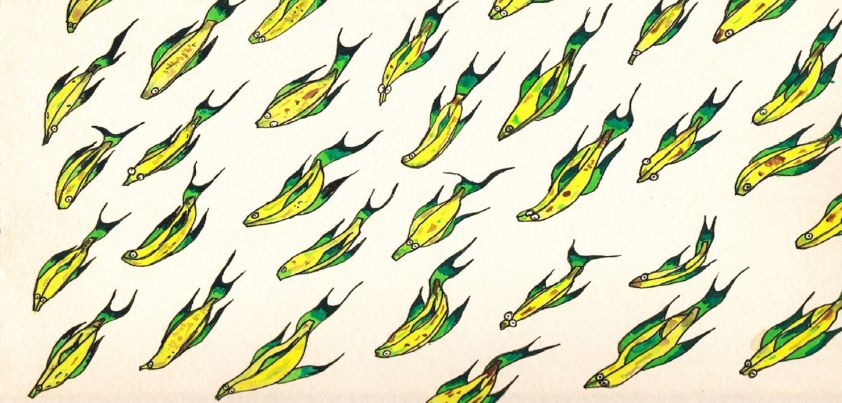 The major theme of this
  This dystopian story from
  This confronting story from
 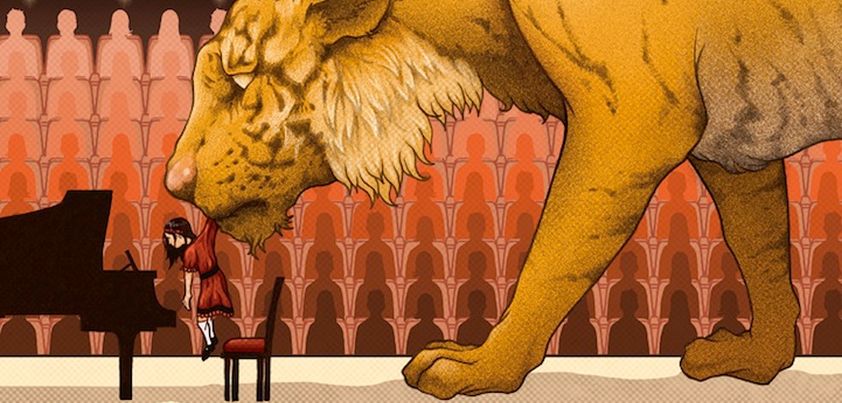 A new slang term came into existence several years ago:
 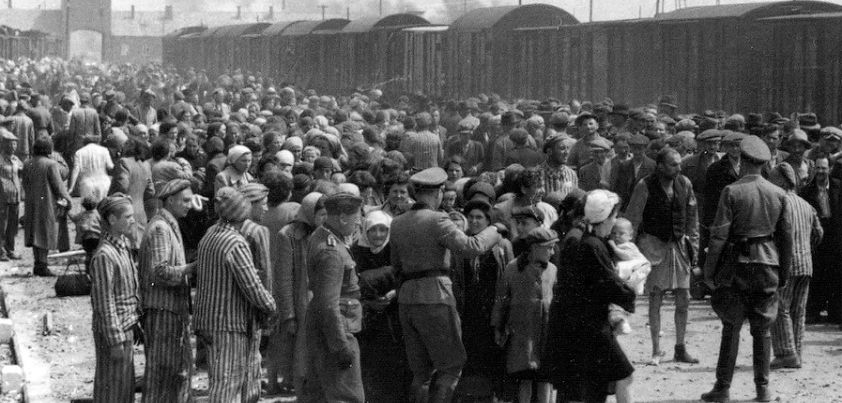 This almost clinical account of
  In this
  Several