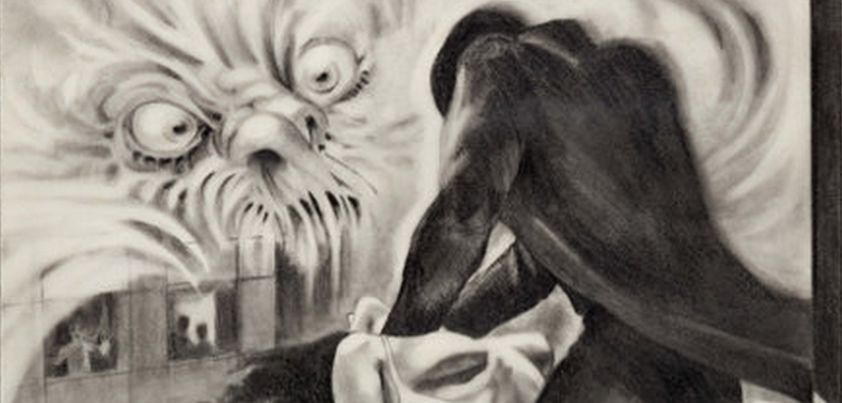
 This horror story from Harlan Ellison uses magical realism to explain a crime: the 1964 murder of Kitty Genovese. Newspapers at the time (incorrectly) reported that 38 people, none of whom did anything to help, witnessed her stabbing. Here, a witness to a particularly brutal murder senses an evil presence. She later learns that it was a form of black mass, and joins the demonic cult as a means of survival. Themes include negative aspects of city life (competitive pressure, lack of connection, loneliness), behavioral effects of city life (depression, insensitivity, anger, rudeness, aggression, violence), supernatural (demonic) forces, and cultism. More…
All posts by shortsonline
Six Feet of the Country
 This early apartheid-era story by Nadine Gordimer highlights the white South African bureaucracy’s callousness and cultural insensitivity towards other races. While city-dwelling whites live in fear, the unnamed protagonist and his wife peacefully co-exist with their black farm workers on a small property just out of town. When the visiting brother of one of their workers dies, the authorities take the body away for autopsy. After paying £20 to have it returned for burial, they find a different body in the coffin. Major themes: racism and inequality (even in death!), change. More…
Barcelona
 This story by Alice Adams deals with themes of fear, preparedness, pride, gender expectations and poverty. As a wealthy-looking American couple walk through the darkened streets of Barcelona, a thief grabs the woman’s purse and flees. The husband gives chase and recovers it, but appears strangely disappointed when his wife tells him that she always carries her money in her pocket and the bag contains nothing of value. The wife reflects on how men are always “chasing something” to prove their self-worth, and feels sorry for the plight of the poor who must steal to do so. More…
The Other
 In this story by Jorge Borges, a younger man sits beside an aging teacher sitting on a riverside bench. As they talk, the teacher realizes that the younger man is himself at an earlier age. An ‘impossible’ date on an American banknote convinces the skeptical young man this is true. The teacher concludes that while the meeting was real and he definitely took part in it, the younger man wasn’t really there… he was dreaming the encounter! This begs the question, Could it have been the other way around? Themes include human existence, time, memory, dreams, old age, relativism. More…
A Simple Heart / Soul
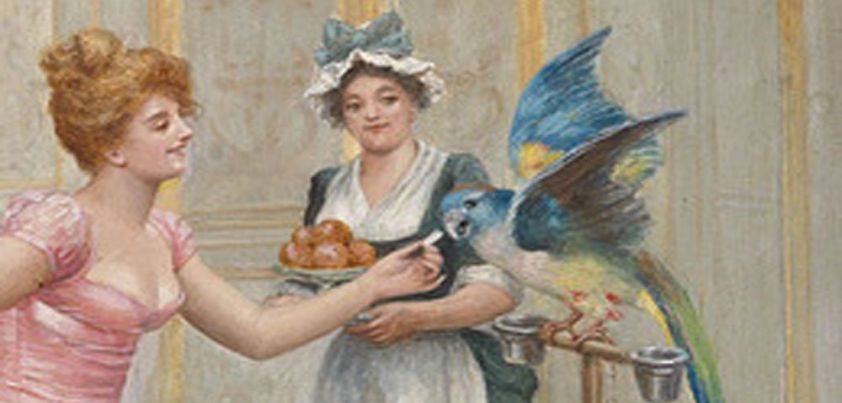 Set in nineteenth century France, this story by Gustav Flaubert portrays the life of an uneducated, simple-minded country girl who lives through fifty years of drudgery as house servant to a “disagreeable” woman who has fallen on hard times. The girl’s story evokes feelings of both admiration and sympathy: Admiration for her loyalty, piety, kindness and failure to give in to despair; Sympathy for her shameless exploitation, history of disappointment and loss, and misery and suffering approaching death. Themes: innocence; duty, faith and virtue; love and compassion; social class; wealth, poverty and exploitation; suffering, loss and death. More…