 This story by Margaret Atwood begins with four passages in which bread is used as a metaphor to illustrate a range of themes. In the first, it’s the good life (plenty and relaxation). In the second, famine (choices and consequences). In the third, life and death (betrayal or sacrifice). And in the fourth, social inequality and greed. The story concludes with a passage about a floating loaf of bread we know is real but are afraid to touch. The inference here is that most unaffected people prefer to turn a blind eye to the starvation and suffering in the world. More…
All posts by shortsonline
Vanka
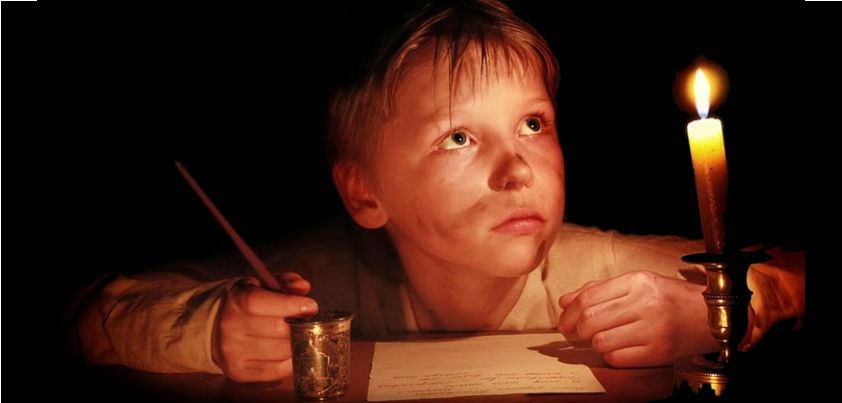 This poignant Christmas story by Anton Chekhov relates how a young boy recently apprenticed to a shoemaker writes a letter to his grandfather pleading to be taken home. He complains of continually being beaten and mistreated, and has no one to turn to for comfort. The city and its ways are foreign to him, and he misses the Christmas preparations and season’s joy in his home village. Sadly, his incompletely addressed letter will never reach its destination. Themes include social class, child-family separation, child abuse, innocence, loneliness, misery, desperation and hope. More…
Miss Awful
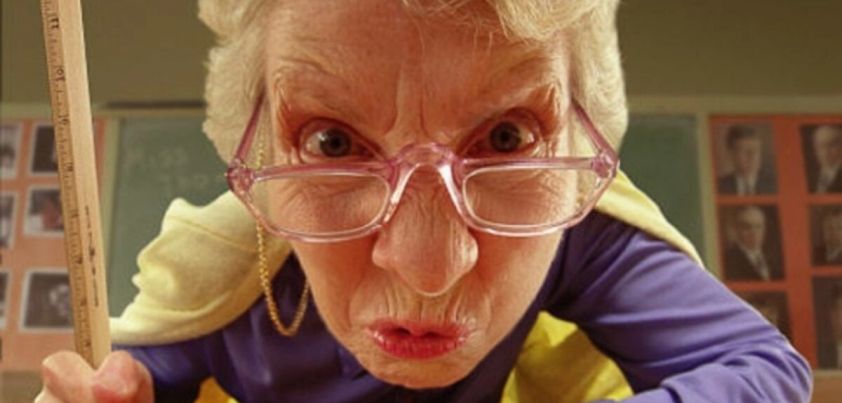 Arthur Cavanaugh’s Miss Awful is about how a sensitive third-grader (Roger) deals with a substitute school teacher who is the direct opposite of his regular one. While the regular teacher is flexible and empowers the children in her class, the substitute (who Roger nicknames Miss Awful) is an ‘old-style’ strict disciplinarian. The change affects Roger so much that he begins to show signs of depression. His fellow students are also unhappy, and the children decide to play a cruel joke on Miss Awful. As the joke plays out some of them, including Roger, realize they may have seriously misjudged her. More…
Poison
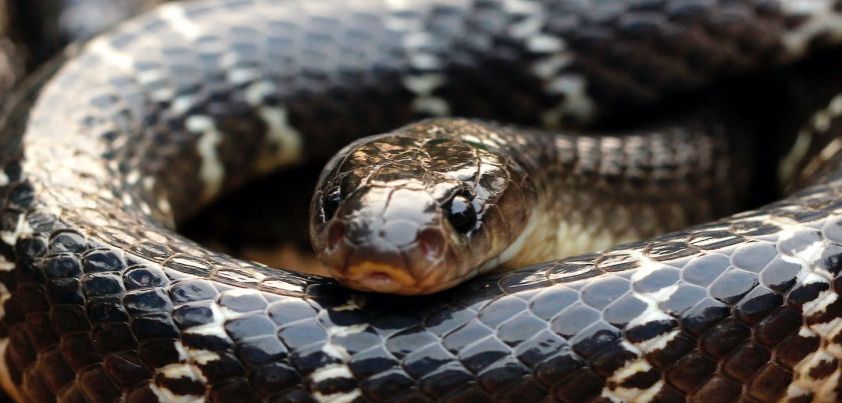 Roald Dahl is best known for short stories that make their point using dark humor and have a surprise ending. This story exhibits neither of these features. The central theme is the racism that existed under British colonial rule. Dahl gets the message across through this allegory about the way a British businessman acted badly towards an Indian doctor who answered his call for help in the middle of the night and may well have saved his life. In the story we learn that there are several kinds of poison. Unlike the deadly krait, some of them kill quite slowly. More…
Pigeon Feathers
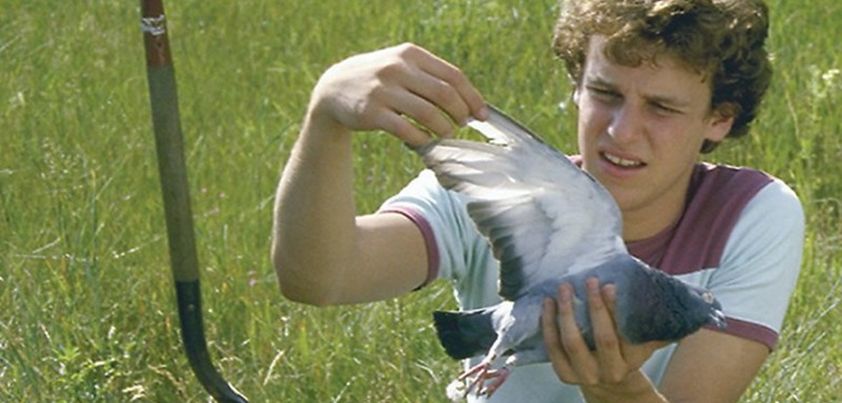 John Updike’s Pigeon Feathers is a web of conflicts and satire. The central conflict is thirteen-year-old David’s crisis of faith, which he ultimately resolves through an epiphany born out of bloody violence. David’s questioning leads to conflict with the family church minister, who dismisses his concerns by inanely equating Heaven to the “goodness” of Abraham Lincoln. Unresolved conflicts include country vs. city living, and the organic (the land has a soul) vs. chemical (the earth is nothing but chemicals) farming debate between David’s parents. Themes: environmentalism, aging and death, family, isolation, spirituality, science vs. religion, the wonder of nature, faith. More…