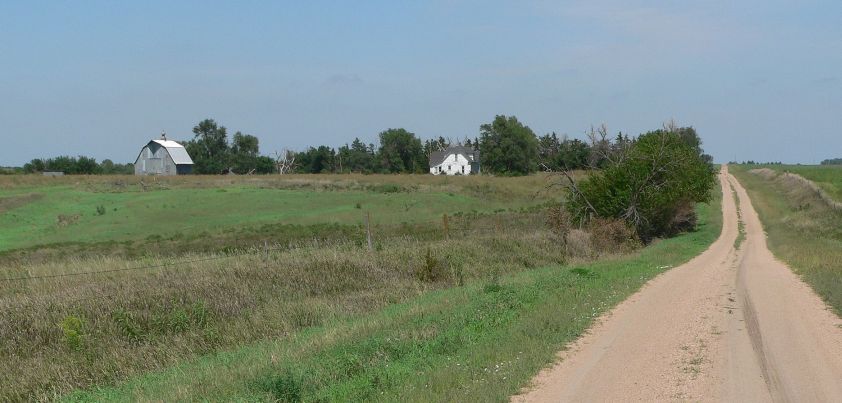
 This heart-warming story from Willa Cather exemplifies all that is said to be good about life in rural America. Anton Rosicky followed other impoverished Czech immigrants seeking a better life overseas. Assisted by small acts of kindness along the way, he reaches America where he acquires a modest farm and raises a large, contented family. This is quite a long story with many themes: love, family values, neighborliness, doing what’s right vs. chasing money, city vs. country living, connection, hard work, contentment, reminiscing and (with a grandchild on the way as Anton dies) the cycle of life. More…
All posts by shortsonline
At Dead Dingo
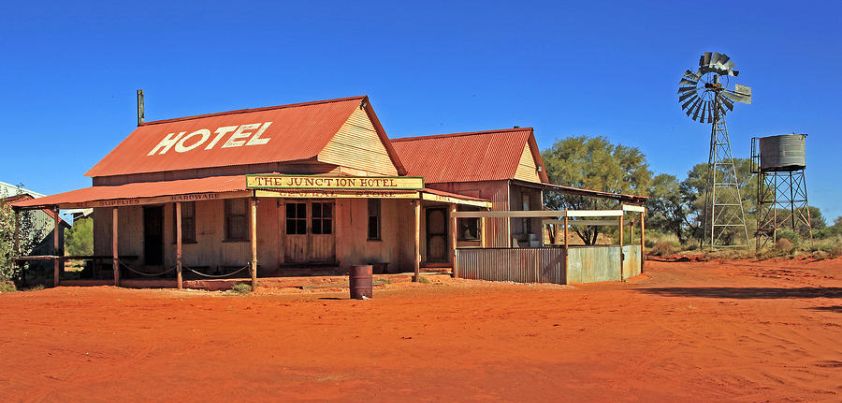 This story by Australian poet and writer Henry Lawson takes place in an outback pub one hot New Year’s Day. There are four people in the pub: the girl behind the bar, two customers playing cards, and another on a sofa sleeping off a hangover. When one of the card players loses all his money, he bets what he says is his sheepdog. Shortly after the card players leave, the other man wakes. He asks about his dog and threatens to go to the police unless the hotel pays him in some way. Question: Who really owned the dog? More…
Only the Dead Know Brooklyn
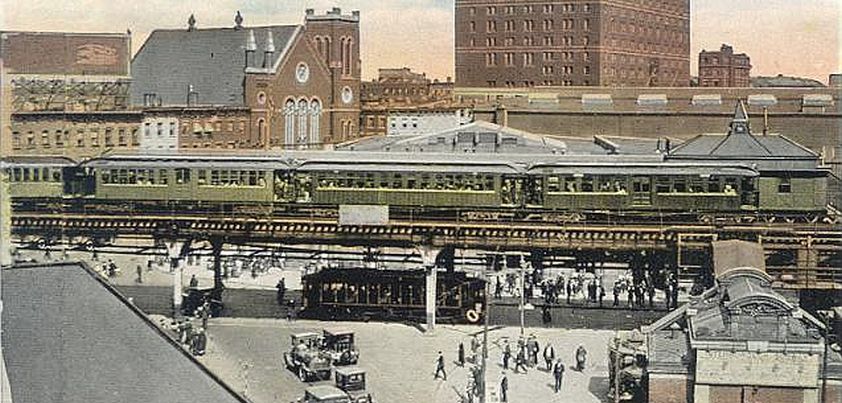 New arrivals in a city often learn things and visit places that long-term residents don’t know about. In this humorous story from Thomas Wolfe, a stranger demonstrates this to the annoyance of the well-meaning but increasingly agitated narrator. The highly opinionated men differ over the narrator’s warnings about the dangers of the “nice sounding” Brooklyn neighborhoods the stranger has chosen for his nightly walks. To make matters worse, the stranger insists that all one needs to feel safe and get to “know” the city is a good map. Themes: connection, pride, perception, fear, curiosity. More…
The Overcoat (The Cloak)
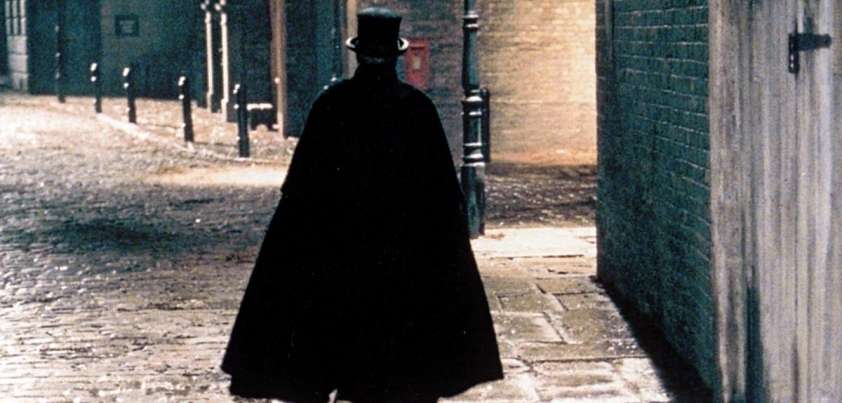 This story by Nikolai Gogol, described by Vladimir Nabokov as the greatest Russian short story ever written, uses pathos and dry humor to get its messages across. The protagonist represents Russia’s working class, eking out a living in a tedious, low-level job. Things improve dramatically when a windfall allows him to buy a new overcoat. Sadly, after a mugger steals the coat, shortcomings in the justice system and failing health contribute to his death. Perhaps metaphorically, his ghost rises up and terrorizes the city in retribution. Themes: alienation, (lack of) connection and compassion, bureaucracy, materialism, social class, the supernatural, revenge. More…
One Day in the Life of Ivan Denisovich
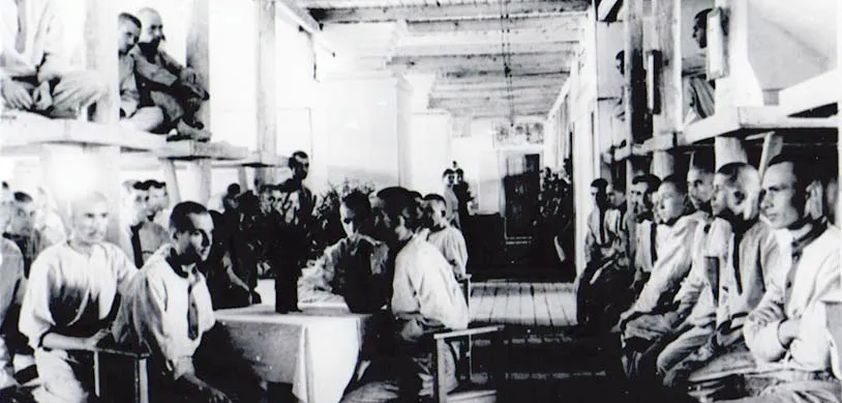 This fictional account of life in a former Soviet Gulag (forced labor camp) is drawn from author Alexandr Solzhenitsyn’s personal experience as a prisoner under the Stalin regime. Its major theme is survival in a system designed to break inmates through a combination of harsh conditions, brutality and absurd camp rules. Some survive with dignity, others through theft, scavenging, and snitching on fellow prisoners. The weak and those who question the system don’t survive. Other themes include injustice, power and authority, corruption, cruelty, suffering, endurance, pride, camaraderie, competition, faith, memories and time. More…