
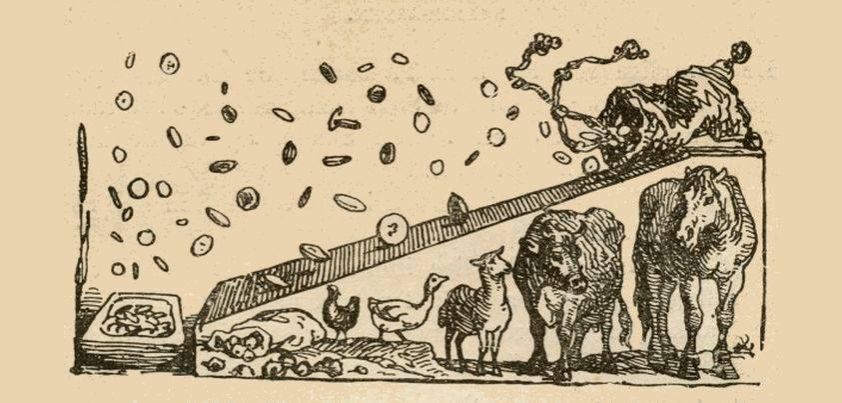
Waters of Gold
 This Chinese folktale retold by Laurence Yep is in two parts. First, readers encounter the kind-hearted Auntie Lily who has spent so much of her money helping others that she now lives in poverty. Her fortunes change for the better when she helps a filthy, foul-smelling beggar who everyone else ignores. Later, her greedy neighbour experiences a different result when, hoping for a similar reward, she helps the same man. The two parts show different sides of the “be kind to others” moral: kindness for kindness’s sake brings its own rewards; kindness in expectation of reward usually leads to disappointment.
 This story by
  Officials issued public pleas and advised residents on measures that would minimise risk of contagion, such as social distancing and increased personal hygiene. Sound familiar? This comes from the introduction to The Decameron, a 1353 collection of tales told by a fictitious group hiding from the plague (smallpox). Although most of the stories were borrowed from early Eastern and European sources, Italian author
  This very short folktale has a very big message. First recorded by
 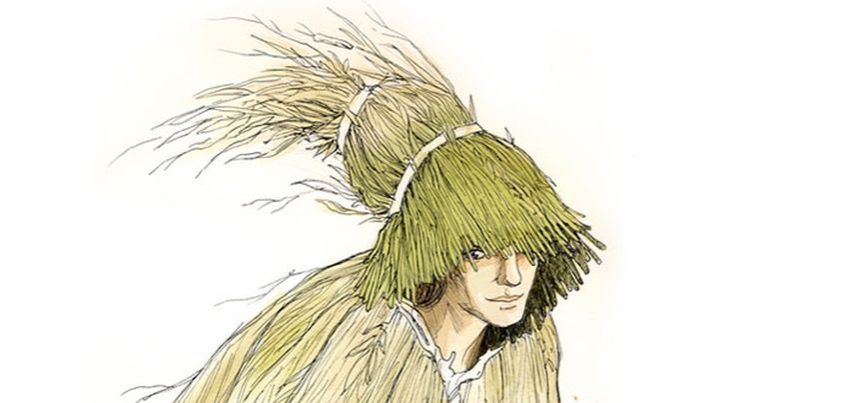 Some people liken the beginning of this folktale to Shakespeare’s King Lear. A rich man asks his daughters how much they love him. One answers in a way he does not understand. He mistakenly thinks she doesn’t love him and throws her out of the house. She makes a cloak out of rushes to hide her fine clothes and finds a job cooking and cleaning. That is, of course, until she meets her true love at a ball and turns her bad luck into a ‘happily-ever-after’ ending. Sadly, this sweet-sounding tale may have a more sinister underlying theme.
 In this German folktale (also known as The Magic Porridge Pot), a kind old woman gives a magic pot to a poor girl looking for something to eat in a forest. When someone says special words, the pot cooks sweet porridge. The only problem for the girl, her mother and the village they live in is that you need to say special words to make the pot stop cooking. This is a popular teaching story for 3-5 year-olds, made more so because the poem that inspired it was also the source for a famous Disney film segment.
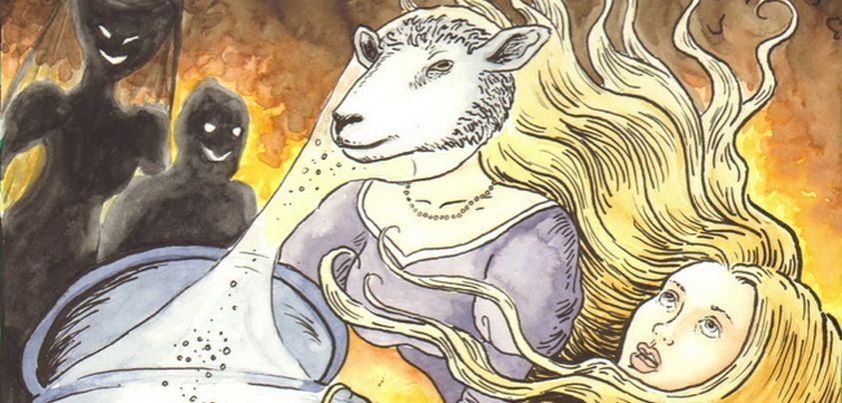 What’s this? A folktale where a wicked queen doesn’t come to a terrible end and stepsisters love each other! Where’s the fun in that? A queen is unhappy that her stepdaughter is more beautiful than her own daughter. So, with a little magic, she pops a sheep’s head onto the prettier one’s shoulders. The two girls run away together and of course marry handsome princes. However, I am a bit worried about a possible message from the story, which seems to suggest that it is OK to steal from babies as long as you do it for a good cause.
 In this Indian folktale, a man travels to a distant land to seek his fortune. He succeeds and decides to convert his riches to jewels and return home. As he nears home, a ‘friendly’ merchant warns him that there are robbers on the road ahead. The traveler leaves his jewels in the care of the merchant. He then travels home to hire men to help him get the jewels through safely. On his return, the merchant tries to cheat him. To get the jewels back, the traveler needs help from someone who is even better at cheating than the merchant.