A Mystery of Heroism
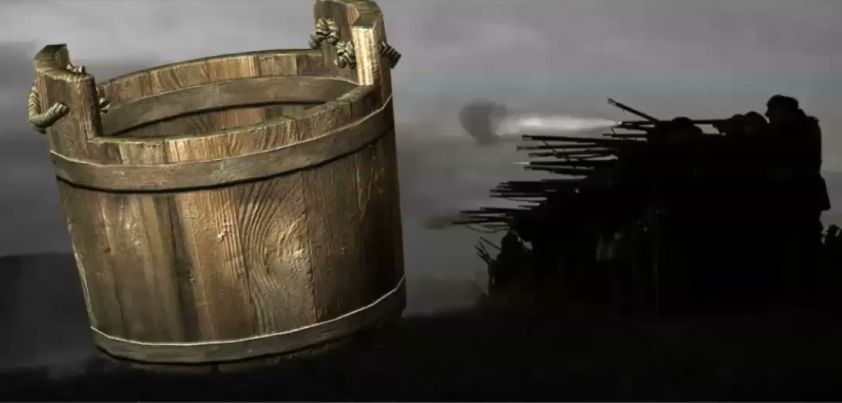 As the title suggests, this story from Stephen Crane explores the concept of what makes a “hero”. In trying to answer the question, the story considers issues such as recklessness vs. bravery and the danger of bravado. It also touches on perspectives of heroism. To an injured officer, the protagonist is a hero; to his fellow soldiers, he is an impetuous fool. The irony of a dropped bucket at the end of the story suggests that many acts of heroism in wartime are wasted, having no impact on the outcome. Themes: war, duty, death, bravado, pride, heroism.
 This story from
 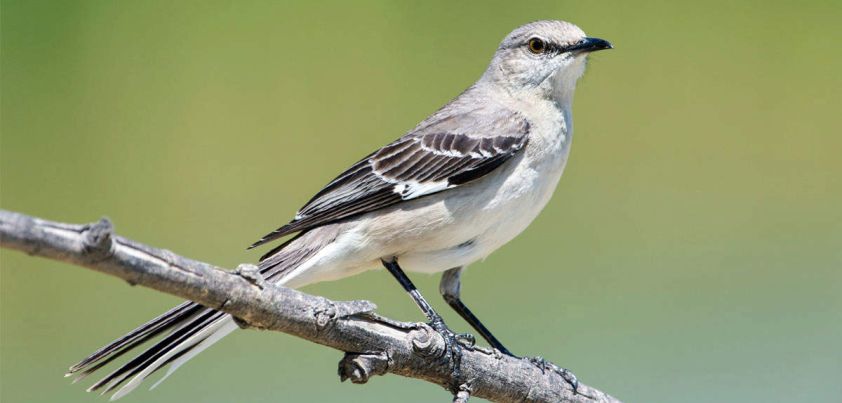 Major themes of this story by
 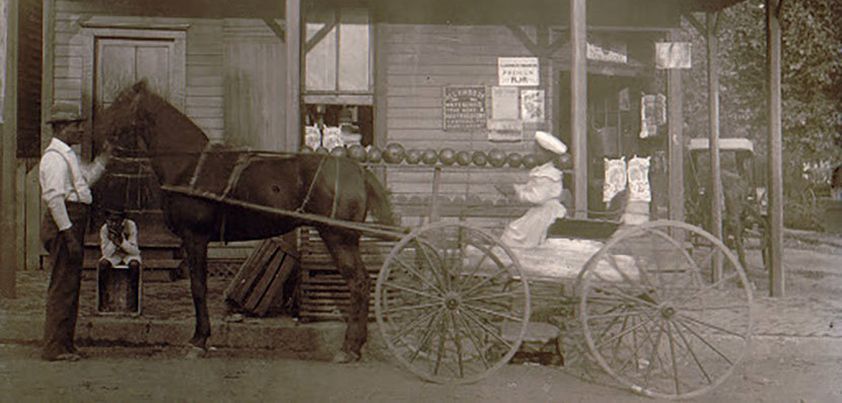 At its simplest, this story by
 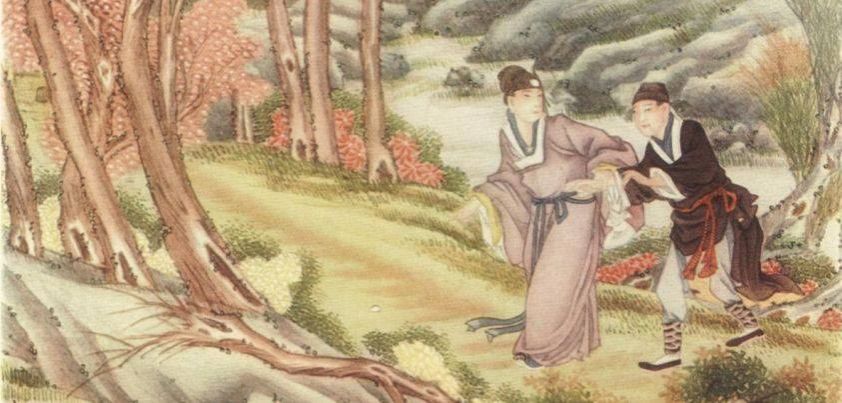 This Chinese folktale tells of two friends who would do anything for each other. One day they decide to go for a walk in a forest. During the walk, the friends see a gold nugget on the path. Unable to decide who should have it, they leave it where it is so as not to cause trouble between them. They later tell a greedy farmer about the nugget. He goes to get it, and becomes angry when he finds something unpleasant in its place. The two friends go back to look, and are well rewarded for their trouble.
 In this dream-like story by
  In this story by
  This story by