Mitya’s Love

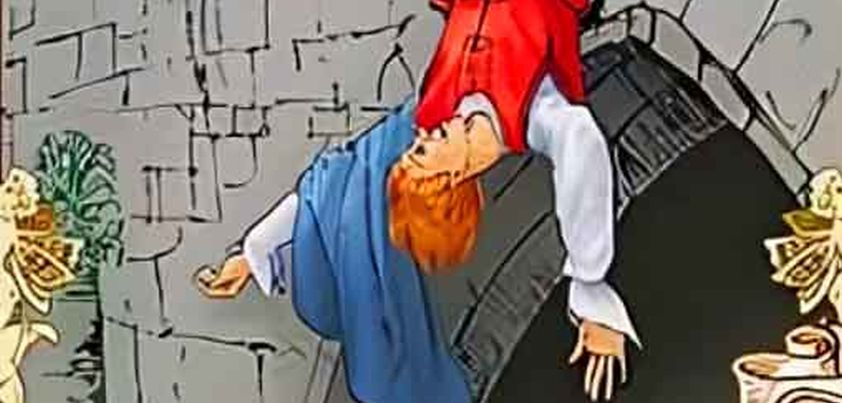
Mitya’s Love: Short story by Ivan BuninThis story by Ivan Bunin portrays the depths of love, and how insecurity and jealousy can destroy it. The story opens with a young Russian man (Mitya) so hopelessly in love with a woman that his jealousy stifles their relationship. They decide to separate for a short period to test their feelings, and he returns to his family estate in the countryside. The separation is torture as she fails to respond to his increasingly desperate letters, and when a “Dear Mikya” note finally arrives, things don’t end well. Themes include passion, sexuality, unrequited love, insecurity, jealousy, obsession, temptation, despair, death.

Continue ReadingMitya’s Love

The Queen of Spades

The Queen of Spades: Short story by Alexander PushkinThis entertaining, quite witty story from Alexander Pushkin shows how greed can overcome our better judgement when presented with a seemingly easy way to make money. A young soldier spends hours watching his fellow officers gamble at cards. He never joins in because he can’t afford to risk his small savings. When he learns that an old socialite knows a secret strategy that always wins at faro, he devises a heartless plan to learn it. He begins to gamble using her information, winning and doubling the bet each time. Unfortunately for him, the old socialite has the last laugh.

Continue ReadingThe Queen of Spades

The False Prince and True

The False Prince and True: Portuguese folktale from Andrew LangThis Portuguese folktale begins with a king learning about an argument between his son and a young nobleman on a tennis court. The prince spoke rudely to the noble, who lost his temper and hit him. Although the king is angrier with his son for not fighting back than the noble, hitting the prince is punishable by death. The only way the noble can save himself is to marry a very ugly, very old woman. As is often the case in folktales, there is a lot of magic around and some surprises are on the way for all involved.

Continue ReadingThe False Prince and True

Cat in the Rain

Cat in the Rain: Short story by Ernest HemingwayOn the surface, this story by Ernest Hemingway is a simple tale about a couple spending a rainy afternoon in a hotel room during an Italian holiday. The woman feels pity for a cat trying to stay dry under an outside table. Readers often interpret this as a symbol of the woman feeling trapped in an empty relationship. Possible causes include a lack of mutual love and respect, incompatibility, and the woman’s childishness and greed. Themes include the aftermath of war, kindness, communication breakdown, isolation and loneliness, boredom and disappointment, gender roles and femininity, dissatisfaction and unfulfilled desires.

Continue ReadingCat in the Rain

The Chaser

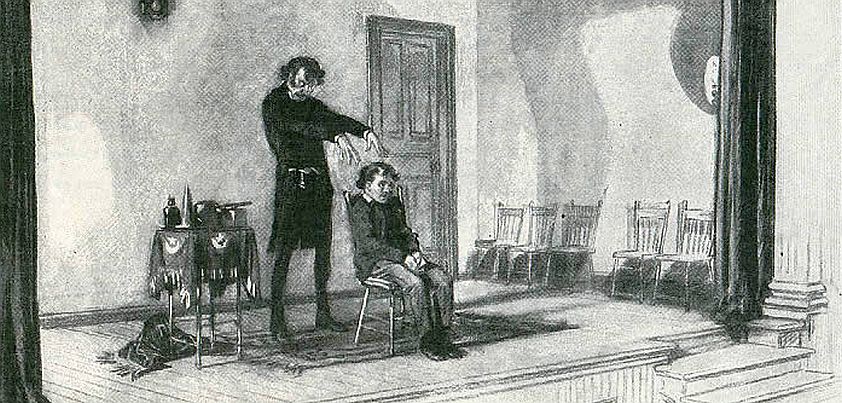
The Chaser: Short story by John CollierOn the surface, John Collier’s The Chaser is a light-hearted story about a young man looking to buy a love potion to enchant the woman of his dreams. However, in the old man’s final words Au revoir (goodbye until we meet again), we realize that the story may be the rising action in a longer plot. A major theme is manipulation. Alan is being as cruelly manipulated as he hopes to manipulate Diana. Other themes: true love vs. obsessive desire, equality vs. servility in relationships, morality (lack of respect for and destruction of Diana’s identity, murder as a solution).

Continue ReadingThe Chaser

The Stolen Party

The Stolen Party: Short story by Liliana HekerIn this heartbreaking story by Liliana Heker, a nine-year-old girl learns the hard way about social class. Her mother is a maid, and every day after school she does homework with Luciana, the daughter of her employer, while her mother finishes work. The girls become friends, but her mother is uneasy when she is invited to Luciana’s birthday party. Contrary to her mother’s concerns, the girl is the star of the party and feels on top of the world … until the party favors are handed out. Themes include social class, friendship, childhood innocence, manipulation, shame.

Continue ReadingThe Stolen Party

The Garden Party

The Garden Party: Short story by Katherine MansfieldBecause of the complex issues raised, this is one of Katherine Mansfield’s most highly acclaimed stories. A wealthy family enjoy an ostentatious garden party in the spacious grounds of their mansion, fully aware that the father of a poverty-stricken family living within hearing distance died in an accident earlier the same day. Only one family member (a teen-aged girl) is sensitive to the poor family’s plight. She visits the house to offer condolences, and experiences an epiphany when unexpectedly ushered in to view the body. Themes include social class (class-consciousness, pretention, insensitivity towards others), poverty, innocence, humanity, coming of age.

Continue ReadingThe Garden Party

One Day in the Life of Ivan Denisovich

One Day in the Life of Ivan Denisovich: Novella by Alexandr SolzhenitsynThis fictional account of life in a former Soviet Gulag (forced labor camp) is drawn from author Alexandr Solzhenitsyn’s personal experience as a prisoner under the Stalin regime. Its major theme is survival in a system designed to break inmates through a combination of harsh conditions, brutality and absurd camp rules. Some survive with dignity, others through theft, scavenging, and snitching on fellow prisoners. The weak and those who question the system don’t survive. Other themes include injustice, power and authority, corruption, cruelty, suffering, endurance, pride, camaraderie, competition, faith, memories and time.

Continue ReadingOne Day in the Life of Ivan Denisovich

Rikki-Tikki-Tavi

Rikki-Tikki-Tavi: Short story by Rudyard KiplingThe major themes of this famous children’s story from Rudyard Kipling’s Second Jungle Book are duty, loyalty and courage. When viewed from a Western perspective, the story’s motif is the triumph of good over evil. However, as the cobra is a revered Hindu religious symbol, the plot can also be interpreted as an allegory of colonial conquest: the victory of “benevolent” British imperialists (Teddy and his family) and the Indians who support them (Rikki-tikki) over those resisting domination and change (Nag and Nagaina). Other themes: family, the balance of nature, progress and peace under British colonialism.

Continue ReadingRikki-Tikki-Tavi

The Storyteller

The Storyteller: Short story by H. H. Munro (aka Saki)This story by Saki satirizes the way many traditional children’s stories had become so “sanitized” during the prudish Victorian period that they lost much of their original appeal. A major theme of the story is pride. The outer or “frame” story highlights the Aunt’s false pride in thinking that a bachelor couldn’t possibly tell a better children’s story than she could. The inner story illustrates the meaning of the English idiom Pride comes before a fall. Other themes include childhood, curiosity, control, “goodness” vs. reality (not all good people/things in life end happily!)

Continue ReadingThe Storyteller