The Boy in the Tunnel / The Boy on the Tünel

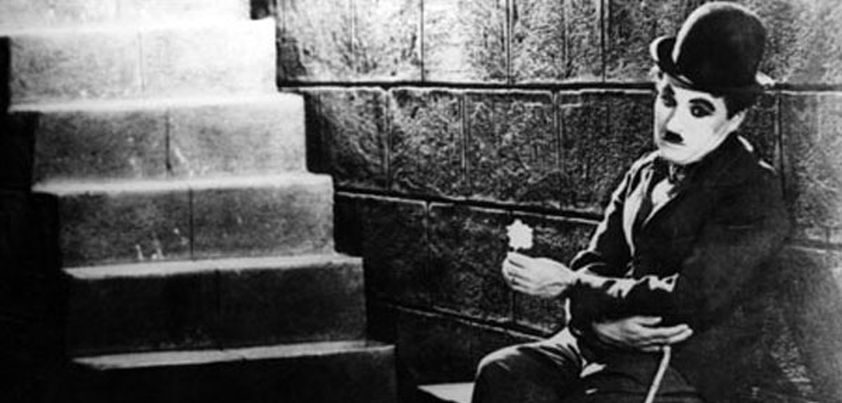
The Boy in the Tunnel / The Boy on the Tünel: Short story by Sait Faik AbasıyanıkThis story by Sait Faik Abasıyanık describes a man’s thoughts as he watches an unkempt boy make his first trip on the Tünel (Istanbul’s Beyoğlu – Karaköy funicular railway). The boy, who is clearly from a poor family, tries hard to supress his feelings of excitement and wonder. His joy turns to discomfort when he senses the man and other passengers taking notice of his faint smile. Themes include 1) how things some of us take for granted can create magic moments for others; and 2) how, as we age, society conditions us to hide our feelings in public.

Continue ReadingThe Boy in the Tunnel / The Boy on the Tünel

We Are All One

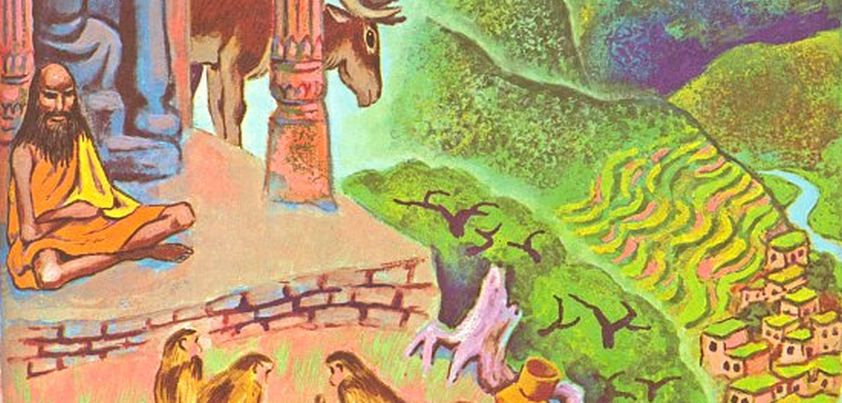
We Are All One: Chinese Folktale from Laurence YepIn this Chinese folktale retold by Laurence Yep, a rich merchant offers a large reward to anyone who can cure his painful eye disease. A poor candy peddler walks deep into a forest in search of a magical herb his mother had told him about. With help from a magical centipede and thousands of ants he becomes “One” with, he returns home with something better, earns the reward and lives happily ever after. The titular theme, that we are all one, conveyed an important social message to early Chinese immigrants in America.

Continue ReadingWe Are All One

Taking Care

Taking Care: Short story by Joy WilliamsWritten at a writer’s retreat in the early 1970s, this is Joy Williams’s first published story. An understandably distracted parish priest goes through the motions of fulfilling his duties as his wife wastes away in hospital from an unknown blood disorder, and he cares for his six-month-old granddaughter and a dog abandoned by his irresponsible daughter. Caring for the baby while his daughter “finds herself” in Mexico provides solace and a reminder that life goes on as he prepares for his wife’s anticipated homecoming. Themes include family, abandonment, responsibility, nostalgia, childhood adaptability, love, marriage, suffering, death, grace.

Continue ReadingTaking Care

Spunk

Spunk: Short story by Zora Neale HurstonIn Zora Neale Hurston’s Spunk, a mild-mannered man (Joe) is killed when he bravely but foolishly confronts his cheating wife and her macho lover. The story raises some interesting questions. Did Joe act out of love for his wife, or shame because she had humiliated him? Why did he stop at a store on the way? Was he hoping the “loungers” would talk him out of going, and too weak to back down when one of them encouraged him? Finally, who or what caused Spunk to fall into the saw? Themes include love and passion, courage and fear, the supernatural.

Continue ReadingSpunk

The Last Question

The Last Question: Short story by Isaac AsimovIn commenting on this story, Isaac Asimov once wrote: This is by far my favorite story of all those I have written. After all, I undertook to tell several trillion years of human history in the space of a short story…. I also undertook another task, but I won’t tell you what that was lest I spoil the story for you. Although there is very little character development or action, the ending is so powerful that almost everyone who reads it remembers it. Themes include technological change, the search for knowledge, entropy and the fate of mankind, religion (omniscience, creation).

Continue ReadingThe Last Question

The Pig That Went to Market

The Pig that went to Market: Children's story by Enid BlytonThis children’s story by Enid Blyton tells of a man who is so forgetful that he always leaves his kitchen door open. His pig knows this and spends most of its time sitting inside in front of the fire. One day the man finds that he has no money. He decides that selling the pig is a better idea than getting a job. However, his forgetfulness causes problems in taking the pig to market. When he finally does get it there, he receives a beating for his trouble. In the end, he faces an easy decision.

Continue ReadingThe Pig That Went to Market

The Address

The Address: Short story by Marga MincoMajor themes of this story by Marga Minco are trust, betrayal, connection, and letting go. A young Jewish woman, the only member of her family to survive World War 2, visits a ‘friend’ of her mother’s with whom she had entrusted family valuables for safekeeping during the war. Her purpose is to ‘see, touch and remember’ the items, and perhaps to reclaim some to decorate her small rented room. The woman initially rebuffs her, and when she later returns and is admitted by the woman’s daughter, she sees her family’s prize possessions displayed and in daily use around the house.

Continue ReadingThe Address

The Stone

The Stone: Short story by Lloyd AlexanderThis story from Lloyd Alexander is about Maibon, a poor farmer who is worried about growing old. His troubles begin when he rescues one of the “fair-folk” from under a log and demands one of their famous “un-aging stones” as a reward. As often happens to those who try magic to defy nature, things start to go wrong. Maibon tries several times to throw the stone away. When it keeps reappearing, he has no choice but to return it. Maibon’s life goes back to normal and he learns that aging gracefully with one’s family can be a good thing.

Continue ReadingThe Stone

Brownies

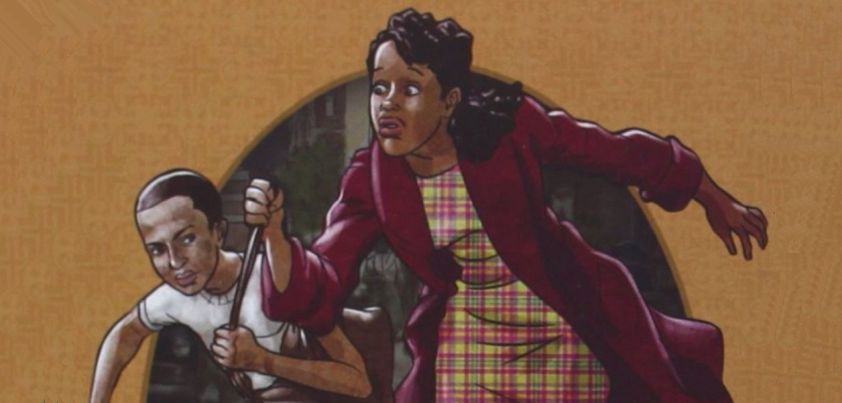
Brownies: Short story by ZZ PackerThe major theme of this story by ZZ Packer is how racial segregation breeds racial prejudice. At a summer camp, a Brownie troop from a black neighborhood decide to kick the asses of an all-white troop they see exiting a bus. A misunderstanding leads to a confrontation in the shower block, from which the black girls leave in shame. The story ends with the black narrator describing an interaction between her father and a white Mennonite family, and concluding that racism is something mean she cannot stop. Other themes include social class, resentment, anger, revenge, peer pressure.

Continue ReadingBrownies

A Fish Story

A Fish Story: Australian folktale from Andrew LangAlthough this story was described as an “Australian” folktale when published in 1910, Australia is too young a nation to have folktales of its own. This is an adaption of an Australian aboriginal myth. Like those of many ancient cultures, it tries to explain the meaning of every-day things: in this case, how fish got into rivers and why rivers always feel warmer if you swim in them on a cold day. According to the story, fish used to live and hunt on the land and only came to live underwater because of an accident lighting a fire.

Continue ReadingA Fish Story