The Legend of Sleepy Hollow

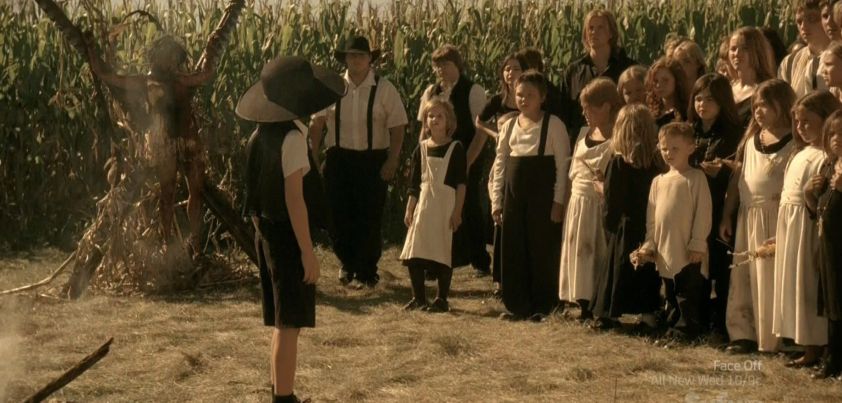
The Legend of Sleepy Hollow: Short story by Washington IrvingThe central character of this story by Washington Irving is a greedy city schoolmaster who moves to a school in a sleepy country town and sets about getting rich by marrying the daughter of a wealthy landowner. The teacher’s proposal is rejected, and he disappears one night after being chased by the “ghost” of a headless horseman. Major themes include storytelling (tall-tales), superstition, greed (Ichabod), fickleness (Katrina), ambiguity (in relation to both the horseman’s identity and Ichabod’s fate), and city vs. country perceptions (conniving sophistication vs. integrity and practicality).

Continue ReadingThe Legend of Sleepy Hollow

The Turning

The Turning: Short story by Tim WintonThis story from Tim Winton includes themes of alcohol abuse, domestic violence, child neglect, shame, friendship and faith. A mother of two whose hard-drinking husband is increasingly violent towards her becomes close friends with a “Ken-and-Barbie” like new couple in town. When the couple share a story of how religious faith helped turn their lives around, she rejects the notion as not for her. Later, the impulsive purchase of a novelty “snow dome” featuring a hunky-looking Jesus walking on water not only provides amusement, but also becomes the catalyst for an epiphany as she endures a brutal marital rape.

Continue ReadingThe Turning

Sunanda

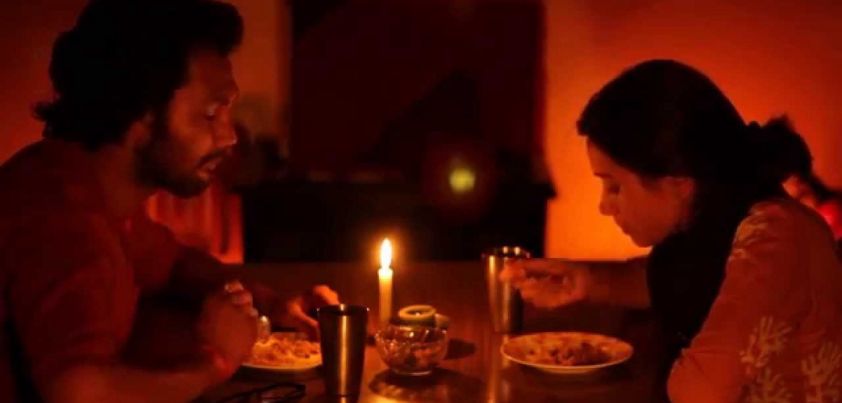
Sunanda: Short story by BanaphoolThis story by Banaphool opens with a young Indian woman dreaming about what might have been… the power and prestige that comes with a good education. The dream ends with her contemplating revenge on a man who had recently rejected her as a prospective bride. We don’t learn the outcome, because she wakes to the grim reality of her miserable existence. Despite excellent grades at school, her father denied her a tertiary education. As her poverty-stricken family desperately tries to marry her off, she takes drastic action. Themes include poverty, the importance of education, rejection, despair.

Continue ReadingSunanda

Eyes of a Blue Dog

Eyes of a Blue Dog: Short story by Gabriel Garcia MárquezThis story from Gabriel Garcia Márquez takes place in the narrator’s mind. While in a dream state, the man’s unconscious reflects his lack of connection in the real world by conjuring up an ongoing relationship with a woman in which each desires the other but they cannot touch. In the man’s absence, the woman wanders the city searching for him, calling out and writing Eyes of a Blue Dog, code words by which they will recognize each other. When awake, the man has no recollection of the dreams. Themes include loneliness and isolation, love and desire, frustration, longing, connection.

Continue ReadingEyes of a Blue Dog

The Imp of the Perverse

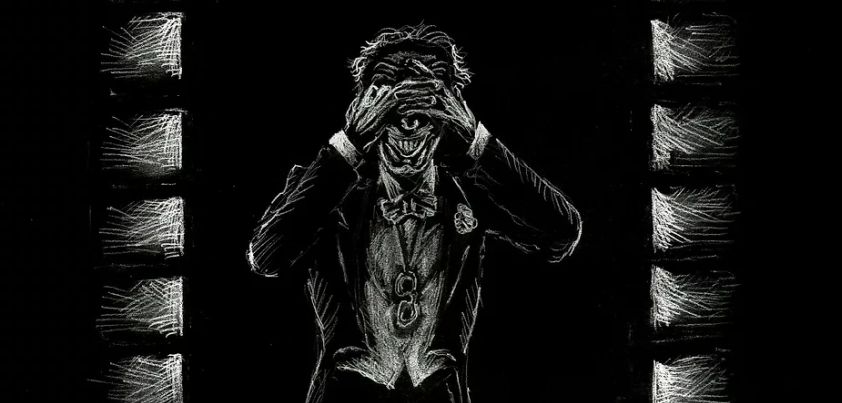
The Imp of the Perverse: Short story by Edgar Allan PoeLike two of our earlier Edgar Allan Poe tales (The Back Cat and The Tell-Tale Heart), this story involves an unreliable, unhinged narrator facing execution for murder trying to account for his crime. He blames his actions on an agent he claims to be in all of us called the “Imp of the Perverse”. The Imp, he argues, is an urge that drives people to do things they shouldn’t for the simple reason that they know it to be wrong. Ironically, the Imp that drove him to murder also drove him to confess. Themes include perverseness, obsession, madness, self-destruction.

Continue ReadingThe Imp of the Perverse

The Outcasts of Poker Flat

The Outcasts of Poker Flat: Short story by Bret HarteBret Harte’s “outcasts” are four “improper persons” (a gambler, a prostitute, a brothel madam, and a drunkard and suspected thief) banished by a vigilante group from a Californian Gold Rush town. When they camp for the night on the way to the next settlement, the drunkard steals their horses. The other three and a young couple journeying the other way find themselves “snowed in” in a secluded mountain cabin. With food and firewood running low, we see another side of the remaining outcasts. Themes: appearances; immorality vs. innocence; goodness; sacrifice; the power of nature; luck, fate and human agency.

Continue ReadingThe Outcasts of Poker Flat

Charles

Charles: Short story by Shirley JacksonMost readers see Laurie, the subject of this Shirley Jackson story, as a naughty boy who tries to gain attention in kindergarten by misbehaving. He creates an alter ego named Charles to tell his parents what happens at school and later, to explain getting home late. However, there is an equally possible alternative interpretation. Laurie may have behaved quite normally at school and created an imaginary naughty classmate to gain attention at the dinner table. Both are consistent with the teacher’s vague assessment of Laurie. Either way, themes include behavior, identity, the desire for attention, deception, ambiguity.

Continue ReadingCharles

The Invention of Morel

The Invention of Morel: Short story by Adolfo Bioy CasaresThis story by Adolfo Bioy Casares is in the form a diary by a Venezuelan fugitive who, after a hundred days hiding on a deserted Pacific island, is disturbed by what appear to be a group of tourists. He watches them for several days and becomes infatuated with a “gypsy-like” woman in the group. When he approaches her, she (and later the other tourists) act as if he doesn’t exist. In reality, it is she (and they) who don’t exist and his dying wish is to join them. Themes include isolation, love, obsession, metaphysics (illusion vs. reality), scientific hubris, immortality.

Continue ReadingThe Invention of Morel

Daisy Miller: A Study in Two Parts

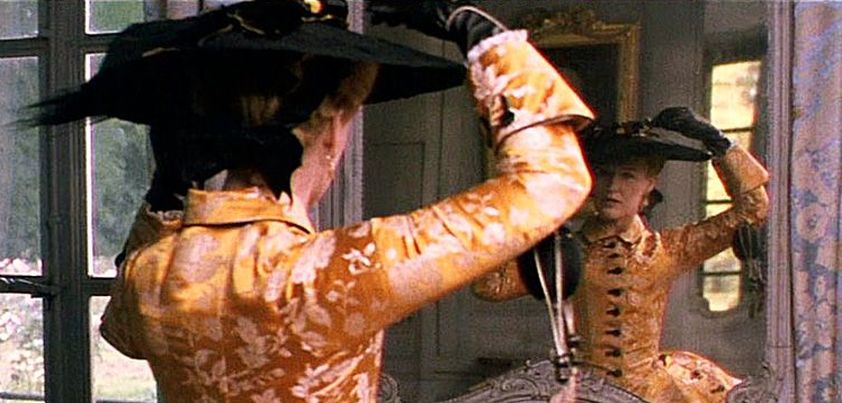
Daisy Miller: A Study in Two Parts: Short story by Henry JamesHenry James’s “Daisy” Miller is a young American socialite traveling through Southern Europe with her mother and younger brother. Flirtatious, independent and free-spirited, she enjoys the competing attentions of several men who she subtly manipulates to do her bidding. Her behaviour, especially going about with men unchaperoned, is scandalous by American expat community standards, resulting in gossip and her ostracization. A question in the mind of a man smitten by Daisy is whether she could possibly be as innocent as she appears. Themes include social conventions (Europe vs. America), gossip, reputation (innocence vs. immorality), double standards (male vs. female independence).

Continue ReadingDaisy Miller: A Study in Two Parts

Going Steady

Going Steady: Short story by Adam BagdasarianIn this story by Adam Bagdasarian, a boy cruelly asks a girl to go steady in order to win a bet. The girl, who he knew liked him, is free-spirited, controlling, and has highly romantic perceptions of what going steady should entail. He wasn’t looking for such a commitment, likening her to a boa constrictor, and after four days decides to call it off. He finds this easier said than done and, after finally plucking up the courage to do so, immediately puts himself in a similar position. Themes include teenage relationships and expectations, insensitivity, honesty, control, commitment.

Continue ReadingGoing Steady