Featured Stories

The Celebrated Jumping Frog
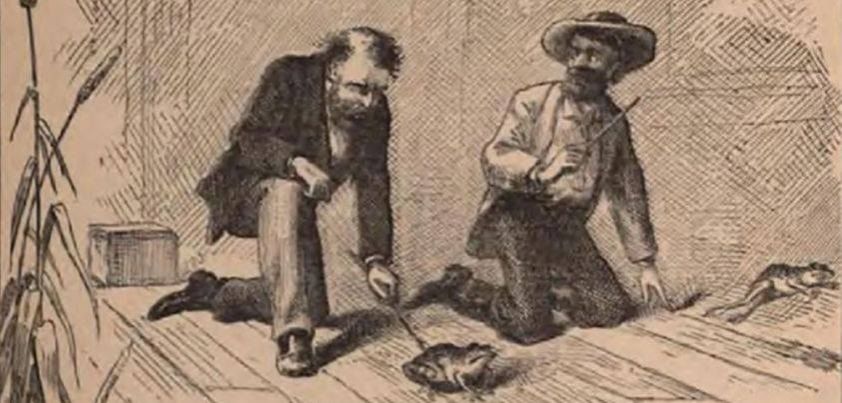
The Celebrated Jumping Frog of Calaveras County: Short story by Mark TwainThe humorous frame story of this unlikely tale by Samuel Clemens (aka Mark Twain) satirizes the way late nineteenth-century American “Easterners” looked down on their supposedly less sophisticated Western compatriots. In the inner story, a man named Jim loves gambling so much that he will bet on almost anything. He finds a frog he believes can leap further than any other in Calaveras County, and learns an expensive lesson when a passing stranger bets against his frog and wins easily. Themes include regional stereotypes, storytelling (tall-tales), gambling consequences (there’s no such thing as a sure bet), trickery and deception.

Continue ReadingThe Celebrated Jumping Frog

The True Story of Kanakapala, Protector of Gold

The True Story of Kanakapala, Protector of Gold: Short story by Raja RaoThis “story within a story” from Raja Rao reads more like a reinterpreted folktale than a work of fiction. The unidentified narrator repeats a tale related by an old woman that includes elements of oral history, personal observation/interpretation, and gossip. The major themes of her story, which spans three generations, include piety, devotion, duty, greed, karma and the supernatural. The “glue” holding the story together is Kanakapala, a huge cobra that guarded a buried treasure bestowed upon Lord Shiva and the goddess Vishalakshi. Kanakapala literally “met its end” when its powers proved ineffective against rogue descendants of the treasure’s donor.

Continue ReadingThe True Story of Kanakapala, Protector of Gold

The Voice of Death

The Voice of Death: Romanian folktale from Andrew LangIn this Romanian folktale, a rich man thinks how terrible it would be to die and have to leave all of his money behind. He sets out to find a land where people do not die. Finally, he comes across a country where the word death is unknown. Instead of dying, people simply follow a strange voice and never return. The rich man is sure that he is strong enough to resist the voice. He moves there with his wife and family, only to learn the truth of the English idiom: Nothing is certain in life but death and taxes.

Continue ReadingThe Voice of Death

In the Zoo

In the Zoo: Novelette by Jean StaffordIn this story by Jean Stafford, a sorry-looking blind polar bear in a Denver zoo reminds adult sisters of a gentle alcoholic ne’er-do-well who befriended them during their traumatic childhood. As eight and ten year-old orphans, the two were fostered out to “Gran”, a possessive, unloving, scornful woman who runs a boarding house. Academically backward and teased at school, they find comfort in their friendship with a kindly Irishman and a puppy he gives them. That is until Gran converts the loveable pup into a ferocious attack dog. Themes include arranged psychological trauma, isolation, confinement and control, companionship and love.

Continue ReadingIn the Zoo

Black Is My Favorite Color

Black Is My Favorite Color: Short story by Bernard MalamudIn this cynical take on 1960s race relations by Bernard Malamud, a Jewish-American shopkeeper turns the traditional racial discrimination debate on its head. Claiming to be open-minded and desirous of not only integrating with his local African-American community but also marrying into it, he finds himself shunned, vilified, beaten and rejected for his efforts. Some reviewers suggest that he has brought these problems upon himself by trying to be “too kind” and unintentionally coming across as privileged and condescending towards those he tries to help. Themes include racial inequality, racial and religious discrimination, interracial relationships, violence.

Continue ReadingBlack Is My Favorite Color

The End

The End: Short story by Samuel BeckettIn this stream-of-consciousness dramatic monologue by Samuel Becket, an elderly man released from an institution against his wishes desperately tries to survive despite declining physical and mental health. He was given clothes and money, but his physical appearance made it hard to find accommodation. When he finally did find a room, he was cheated out of the money. Reduced to begging on the streets and living in squalor among rats and toads, he finally loses the will to go on. Themes include the plight of those who look “different” (rejection, alienation, indignity), resilience, mortality, the emptiness and futility of life.
Continue ReadingThe End

The Luck of Roaring Camp

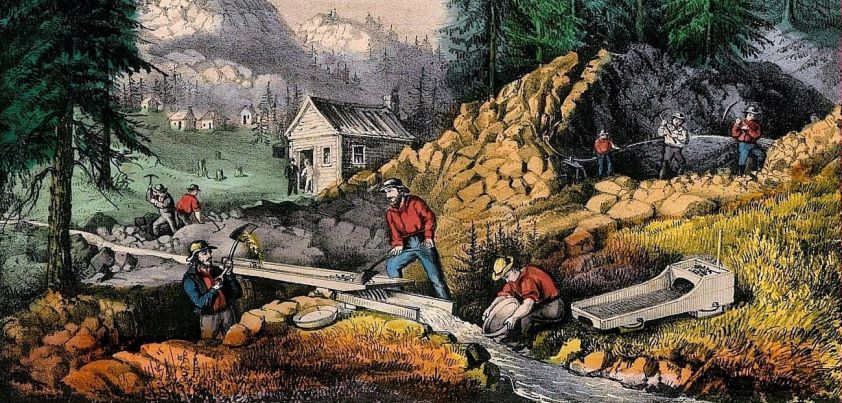
The Luck of Roaring Camp: Short story by Bret HarteIn this story by Bret Harte, strange things happen when a Californian gold prospecting camp “adopts” an orphaned baby born to its only woman resident, the camp prostitute. The birth brings a streak of good fortune to the camp, resulting in the baby being named Thomas Luck. The Luck’s presence inspires the men to clean up the camp, their habits, and themselves. The camp prospers, and there is even talk of encouraging families to move there for the sake of the child. Unfortunately, the Luck’s luck cannot defeat nature. Themes: isolation, lawlessness, community, change/redemption, the inconstancy of luck.

Continue ReadingThe Luck of Roaring Camp

A Change of Aunts

A Change of Aunts: Short story by Vivien AlcockIn this story by Vivien Alcock, eleven-year-old Meg and eight-year old William are horrified when their kindly Aunt Janet gets married and is replaced by wicked, cruel Aunt Gertrude. William’s greatest fear is that Gertrude will find out about the short cut to town that runs past the haunted pond in Teppit’s Wood. Everyone knows the story of the ghost but, of course, most adults don’t believe it. His fear is realized when late one evening Gertrude forces the two children to accompany her home through the woods. It turns out to be the last mean thing she ever did!

Continue ReadingA Change of Aunts