A Man Who Had No Eyes

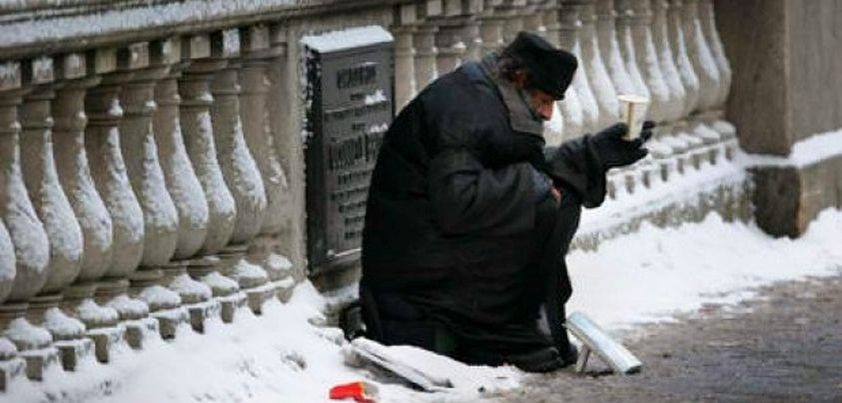
A Man Who Had No Eyes: Short story by MacKinlay KantorIn this story by MacKinlay Kantor, a blind peddler stops a man in the street to sell him a cigarette lighter. The man buys one and, in the hope of getting extra money, the peddler tells him a sob story about how he lost his sight after being held back while trying to escape poison gas released during a factory chemical explosion. The customer points out an error in his story, and how blindness need not be a hindrance to success. Themes include positivity and self-belief vs. denial and self-pity, bitterness, manipulation, deceit, cowardice.

Continue ReadingA Man Who Had No Eyes

He

He: Short story by Katherine PorterThe central theme of this poignant, rather dark story from Katherine Porter is a mother’s relationship with her devoted special needs son. The woman is obsessed with appearances. Although she professes greater love for him than her other children combined, one wonders if this is out of pity or, worse, a mere show for neighbors. Similarly, are her tears as she takes the boy to the County Home the result of losing him, a sense of failure/shame as a mother, and/or (as the narrator cruelly suggests) wishing he had never been born? Other themes: struggle against poverty, family, appearances, guilt.

Continue ReadingHe

Cicada

Cicada: Short story by Camille AckerThis coming-of-age story by Camille Acker initially comes across as yet another “too good to be true” tale about a young African-American girl from a working-class family overcoming the odds. (In this case to win a piano competition against privileged white kids from a wealthy neighborhood.) The narrative takes a turn after the competition as her family’s lower socio-economic status becomes clear. Provoked by the rude, condescending attitude of another competitor, she attacks the other girl’s chauffeur-driven car with the only weapon available… cast off cicada shells! Themes include poverty, social class, parental love, success, pride, identity.

Continue ReadingCicada

The Tractor and the Corn Goddess

The Tractor and the Corn Goddess: Short story by Mulk Raj AnandRenowned Indian writer Mulk Raj Anand was well known for his socialist views. These come to the fore in this tongue-in cheek story about a landowner’s progressive son who returns from overseas with such revolutionary ideas as turning his farm into a villager-owned co-operative and importing a tractor to improve the lives of workers. The focus of the story is the tractor, and the landowner’s ingenious method of overcoming the villagers’ fears and indignation associated with the tractor’s “rape” of their Corn Goddess. Themes: social conscience, change, religious and cultural differences, suspicion, pride.

Continue ReadingThe Tractor and the Corn Goddess

Marigolds

Marigolds: Short story by Eugenia CollierIn Eugenia Collier’s Marigolds the protagonist comes of age (or in her words loses her innocence) when caught in a senseless act of destruction. Angry about her father’s shame over not being able to find work, she lashes out at the garden of a neighbor who is trying to bring beauty and happiness into her life by growing marigolds. Ironically, the neighbor and her disabled son are even more destitute than the protagonist’s family. Themes: childhood memories, poverty, shame, envy, impulsiveness, empathy, guilt and possibly racism (the resentful references to “white folks” and comments about Miss Lottie’s “Indian-like” features).

Continue ReadingMarigolds

The End of Something / Three-Day Blow

The End of Something / Three Day Blow: Short stories by Ernest HemingwayThese two Ernest Hemingway stories should ideally be read together as they are linked by storyline (the end of a relationship) and major themes (change, friendship and moving on). The lumber town of Hortons Bay has died and its people have left because all the old-growth trees have been cut down. Like the townspeople, Nick Adams is planning a new beginning. He has decided to break up with girlfriend Marjorie, telling her “it isn’t fun anymore”. We learn the reason in the second story, which introduces additional themes of class and/or racial prejudice, selfishness, mateship and regret.

Continue ReadingThe End of Something / Three-Day Blow

The Wreath

The Wreath: Short story by Luigi PirandelloIn this moving story by Luigi Pirandello, a middle-aged doctor is disturbed to learn that his much younger wife, who still has feelings for a former lover who died before they married, has gone behind his back and secretly ordered a wreath for the anniversary of his death. At first angry and ready to “take her back to her father’s house,” he calms down and finally accompanies her to the cemetery. Touched by his gesture, she looks at him as she had never looked at him before. Themes include the beauty of nature, love, mourning, deceit, understanding and compassion.

Continue ReadingThe Wreath

The Sacrificial Egg

The Sacrificial Egg: Short story by Chinua AchebeThe major theme of this story by Chinua Achebe is culture clash, as reflected in the changes forced on the Ibo (Igbo) people of South-Eastern Nigeria as they reconciled their traditional values and beliefs with the effects of Westernization under British colonial rule. One of the biggest changes observed by the narrator is the move from a village-based to an urbanized society, which resulted in a resurgence of smallpox. We also learn how some people, including the narrator, try to minimize such conflicts by maintaining a foot in both cultural camps. Other themes include colonialism, tradition, superstition, compromise.

Continue ReadingThe Sacrificial Egg

The Busker

The Busker: Short story by Paul JenningsBoth adults and children have been known to cry at the end of the story within a story in this tale from Paul Jennings. Its major theme is that giving money to people (or in the narrator’s case, spending it on them) doesn’t make them like you. Other themes: folly (the narrator, desperate for $10, searching the beach for a shipwreck), companionship and teamwork (between the Busker and his dog, Tiny), jealousy (when the Busker realizes Tiny is the star of their act), animal cruelty (Tiny in the well), and unconditional animal love (the Busker in the well).

Continue ReadingThe Busker

Woman Hollering Creek

Woman Hollering Creek: Short story by Sandra CisnerosCleófilas, Sandra Cisneros’s Mexican protagonist, finds the grass no greener when she marries and moves to a town “on the other side”. Poverty, language and distance leave her with nobody to turn to when her dreams of love and passion become a nightmare. Fortunately, her father has foreseen the possibility and left the home door open. Thanks to a kind woman with a pickup truck and piercing scream, she returns stronger and, one hopes, empowered to strive for a better future. Themes: parental vs. romantic love, cultural traditions (wives as ‘property’), gender roles, isolation, marital abuse.

Continue ReadingWoman Hollering Creek