The Stout Gentleman

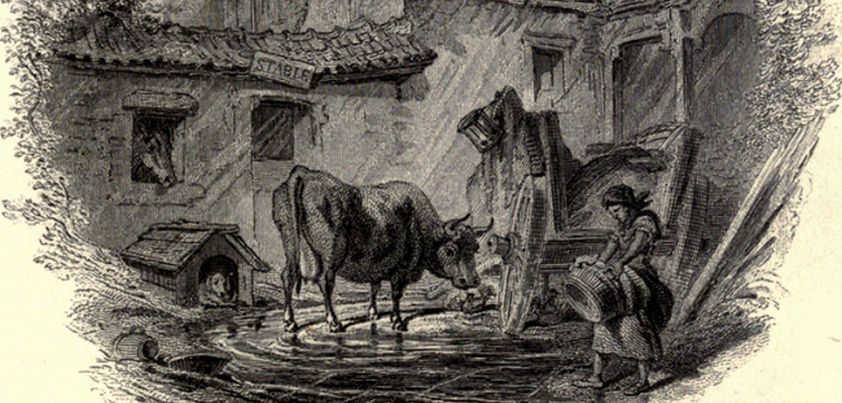
The Stout Gentleman: Short story by Washington IrvingThe major theme of this humorous story by Washington Irving is the extent to which we rely on appearance to judge others. A traveller staying at an inn is forced to remain indoors on a miserable, rainy Sunday. With nothing to do and no one to talk to, he passes the time by speculating as to the profession and social status of the only other guest, a demanding, seemingly sophisticated man who remains in his room all day. We learn little more about the other man, who the staff refer to only as the stout gentleman. Other themes: curiosity, obsession, identity.

Continue ReadingThe Stout Gentleman

At Dead Dingo

At Dead Dingo: Short story by Henry LawsonThis story by Australian poet and writer Henry Lawson takes place in an outback pub one hot New Year’s Day. There are four people in the pub: the girl behind the bar, two customers playing cards, and another on a sofa sleeping off a hangover. When one of the card players loses all his money, he bets what he says is his sheepdog. Shortly after the card players leave, the other man wakes. He asks about his dog and threatens to go to the police unless the hotel pays him in some way. Question: Who really owned the dog?

Continue ReadingAt Dead Dingo

The Million Pound Bank Note

The Million Pound Bank Note: Short story by Samuel Clemens (aka Mark Twain)This humorous story from Samuel Clemens (aka Mark Twain) explores two themes related to the power of money. The first is the different attitudes people have towards the rich and the poor. The second, which is particularly relevant today, is the power the rich (influencers) can exert over the decision-making of admirers (followers). Other themes: enduring love (Portia and Henry’s relationship prospers, despite their playful deceptions); honesty (Henry’s intention to pay back his debts); and the peculiarities of British High Society (settling arguments with bets, determining social position through gossip columns, and missing meals if unable to decide seating precedence).
Continue ReadingThe Million Pound Bank Note

The Eyes Have It

The Eyes Have It: Short story by Philip DickThis story by Philip Dick takes a satirical look at the clichéd use of English idioms in popular fiction. Best known as a science fiction writer, Dick makes his point through the eyes of a man who believes he has stumbled upon an invasion of Earth by alien lifeforms that are so highly developed they can shed body parts at will. His story could cause major problems if more people were aware of it. In an age where it takes very little to set off a conspiracy theory, many people could ‘lose their mind’ wondering if it is true.

Continue ReadingThe Eyes Have It

Unto Dust

Unto Dust: Short story by Herman BosmanThe major themes of this story by Herman Bosman are attitudes towards the dead, and equality in death. A Boer farmer and native enemy die side by side while fighting in a ‘Transvaal Kafir War’. When the farmer’s friends return to take his body home for a proper burial, they find that wild animals have mixed up the bones. The friends spend a lot of time trying to sort out which is which so that the dead farmer does not have to lie forever among the warrior’s bones. A yellow ‘kafir’ dog judges the result. Other themes: war, mateship, racism.

Continue ReadingUnto Dust

The Romance of a Busy Broker

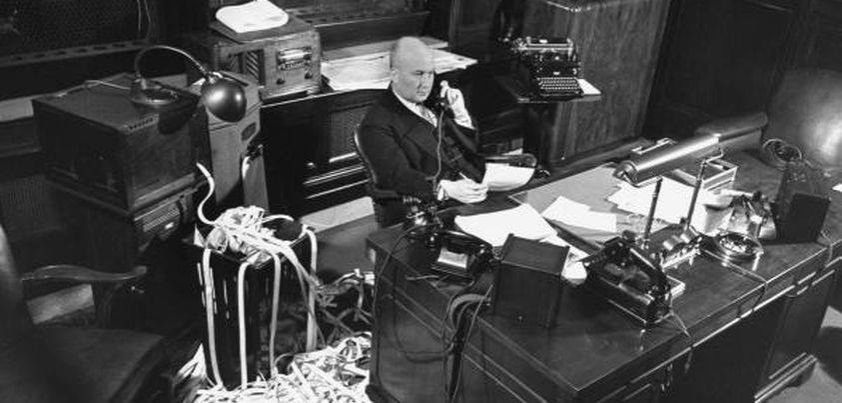
Romance of a Busy Broker: Short story by O. HenryThis humorous but unlikely story by O. Henry is set in the office of Harvey Maxwell, a busy New York stockbroker, over the space of a single morning. When Harvey sits down at his desk, it is as if he changes from a man into a machine. He puts everything else out of his mind. It is a bad day on the stock market and, when things get quieter at lunchtime, he realizes that he has forgotten something more important than making money. Themes include the pressure of ‘modern’ business, love, preoccupation, workplace conflict, gender roles.

Continue ReadingThe Romance of a Busy Broker

Popular Mechanics (Mine / Little Things)

Popular Mechanics (Mine / Little Things): Short story by Raymond CarverAs anyone who has witnessed an acrimonious divorce knows, sometimes demands over property settlement and custody of children defy logic. This is often because discussions are driven by anger and a desire to hurt or “get back at” the other party as opposed to fairness and what is best for all. In this short story by Raymond Carver, the only major point of argument seems to be which parent will be the main carer for the couple’s baby. Unfortunately, the simple mechanics of a newly formed human body lead to a “Solomon-like” solution that will not please either of them.
Continue ReadingPopular Mechanics (Mine / Little Things)

A Horse and Two Goats

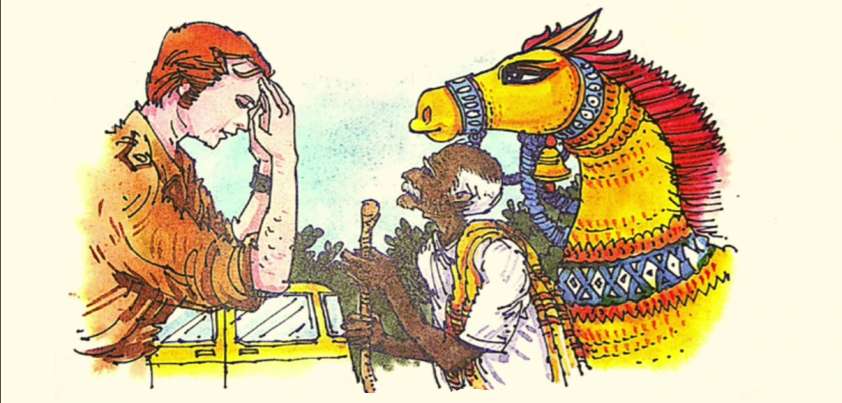
Seventh Grade: Short story by Gary SotoThis story from R. K. Narayan is a humorous account of the protagonist (Muri)’s trials and tribulations in a remote Indian village. Its major theme is culture clash (the villagers’ deep spirituality and acceptance of their lot vs. an American’s “money is everything” attitude). Other themes include miscommunication (and how it can sometimes pay off handsomely), change (younger villagers’ loss of appreciation of their cultural heritage, as symbolized by their indifference towards the statue), chauvinism (both men are extremely patronizing towards their wives), and archaeological looting (the American must surely recognize that the statue is of spiritual and/or historical significance!).

Continue ReadingA Horse and Two Goats