The Last Question

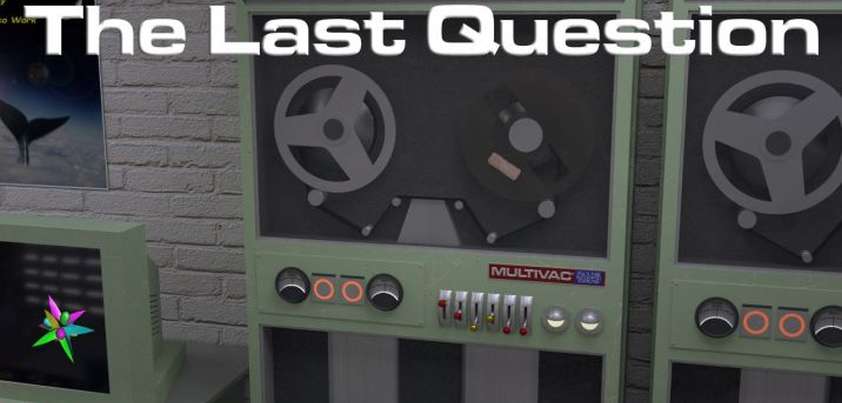
The Last Question: Short story by Isaac AsimovIn commenting on this story, Isaac Asimov once wrote: This is by far my favorite story of all those I have written. After all, I undertook to tell several trillion years of human history in the space of a short story…. I also undertook another task, but I won’t tell you what that was lest I spoil the story for you. Although there is very little character development or action, the ending is so powerful that almost everyone who reads it remembers it. Themes include technological change, the search for knowledge, entropy and the fate of mankind, religion (omniscience, creation).

Continue ReadingThe Last Question

The Time Machine

The Time Machine: Short story by Dino BuzzatiIn this story by Dino Buzzati, a scientist builds a luxurious walled city in which a machine slows down time. Animals and plants grow and age half as quickly as those outside, allowing occupants to live for two centuries. Residency is expensive and, once inside, it is impossible to leave as the effects of normal time will be fatal. Life in the city proves not to be the utopia residents expected, and ends in disaster when something happens to the machine. Themes include self-preservation, alienation, monotony, the dangers of relying on technology and toying with the basic laws of nature.

Continue ReadingThe Time Machine

The Eyes Have It

The Eyes Have It: Short story by Philip DickThis story by Philip Dick takes a satirical look at the clichéd use of English idioms in popular fiction. Best known as a science fiction writer, Dick makes his point through the eyes of a man who believes he has stumbled upon an invasion of Earth by alien lifeforms that are so highly developed they can shed body parts at will. His story could cause major problems if more people were aware of it. In an age where it takes very little to set off a conspiracy theory, many people could ‘lose their mind’ wondering if it is true.

Continue ReadingThe Eyes Have It

Rappaccini’s Daughter

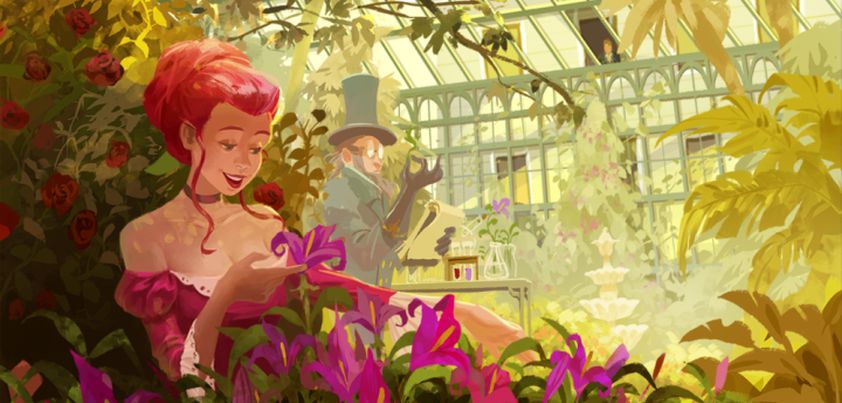
Rappaccini's Daughter: Short story by Nathaniel HawthorneThis story from Nathaniel Hawthorne takes the “mad scientist” motif to a new level. Renowned physician Rappicini is fascinated with the curative power of deadly plants. An experiment that makes his young daughter immune to their poison comes at a terrible price: her skin and breath become toxic to others. As the poor girl grows into womanhood, the twisted doctor decides to make a potential partner immune to her poison. Unfortunately for all, a scientific rival plants a different kind of poison in the man’s heart and hands. Themes: science vs. morality, innocence, nature, oppression, isolation, envy, love, betrayal.

Continue ReadingRappaccini’s Daughter

The First Law

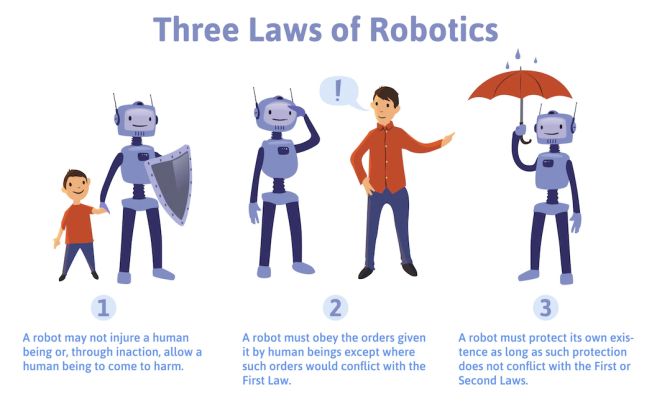
The First Law: Short story by Isaac AsimovIn this story by Isaac Asimov, a scientist tells astounded colleagues a “tall tale” about how a new model robot broke the first and most fundamental of the Three Laws of Robotics: a robot may not injure a human being, or through inaction allow a human being to come to harm. The malfunctioning robot had escaped from its base and, upon encountering the man in a deadly zero-visibility storm, left him to die. Although the robot had a legitimate reason for its actions, the model was discontinued immediately. Themes include disobedience, protectiveness and “motherly” love.

Continue ReadingThe First Law

Counterfeit Bills

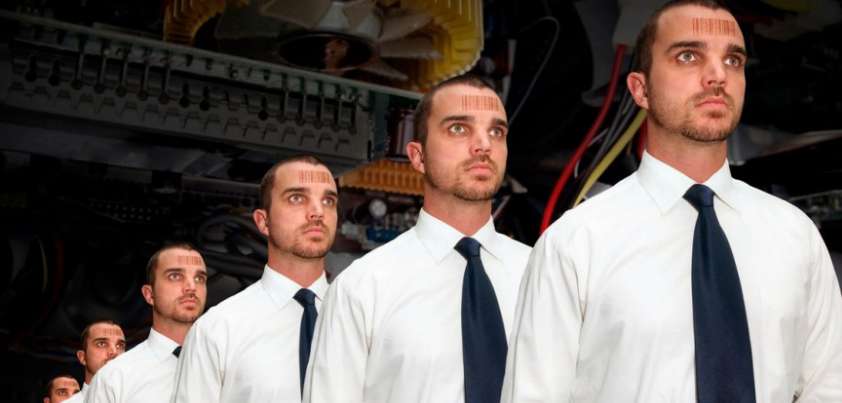
Counterfeit Bills: Short story by Richard MathesonRichard Matheson is renowned for his novels and traditional short stories in the fantasy, horror and science fiction genres. This is one of his few published flash stories, and the fact that it is a spoof of the science fiction cloning model makes it especially interesting. The story is based on the premise of how nice it would be to have a ‘double’ to carry out all the mundane tasks in your life, so you could spend all your time going out and having fun. Despite (or perhaps thanks to) the corny puns, it is a very enjoyable Quick Read.

Continue ReadingCounterfeit Bills

Amnesty

Amnesty: Short story by Octavia E. ButlerIn this story by Octavia Butler, Earth’s economy collapses following the arrival of an advanced alien race that settles in the world’s deserts. A reluctant co-existence develops when it becomes clear that the aliens cannot be destroyed. The protagonist, kidnapped by the aliens at age eleven and subjected to cruel experiments, is now an Interpreter for one of their “communities”. Her current mission: to “calm” and prepare six recruits for well-paid positions translating for other communities. Although they need the job, the applicants are full of anger and hostility towards the aliens. Themes: fear, ignorance, social experimentation, torture, hatred, détente.

Continue ReadingAmnesty

The Easthound

The Easthound: Short story by Nalo HopkinsonThis post-apocalyptic horror story by Nalo Hopkinson redefines the concept of puberty. A virus has swept the world, causing all who achieve adulthood to “sprout” into ravenous, werewolf-like beasts. To escape them, children hide in small groups. The story is told from the perspective of twin sisters, one of whom naively believes she caused the virus by inventing the word easthound. Their group are closely monitoring an older boy who is about to undergo the change and will soon have to leave them, when the unexpected occurs. Themes include violence, camaraderie, survival, childhood innocence, adult predation.

Continue ReadingThe Easthound