The Pedestrian

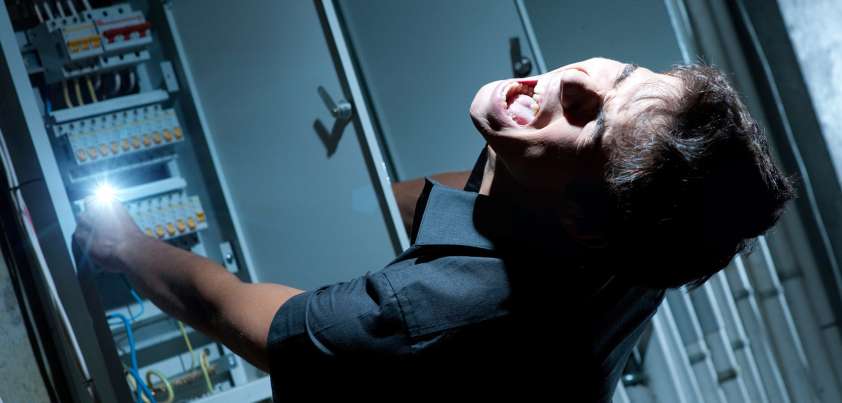
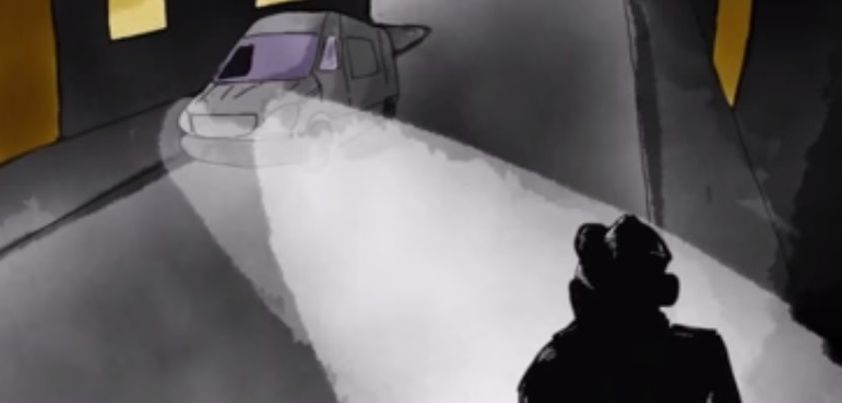
The Pedestrian: Short story by Ray BradburyThis is our second Ray Bradbury story that questions the social effects of television (the first being The Veldt). Set in 2053, almost everyone stays indoors all night watching TV. Leonard Mead doesn’t. He enjoys going out for a long walk every evening. This is so unusual that the only police car patrolling the empty streets arrests him for his “regressive tendencies”. Fortunately, Bradbury’s predictions about TV were wrong. However, something far more dangerous may be replacing it: social networking on mobile devices! Themes include social dysfunction, dehumanization through technology, conformity vs. individualism, surveillance and control, isolation, disconnection from nature.

Continue ReadingThe Pedestrian

Bloodchild

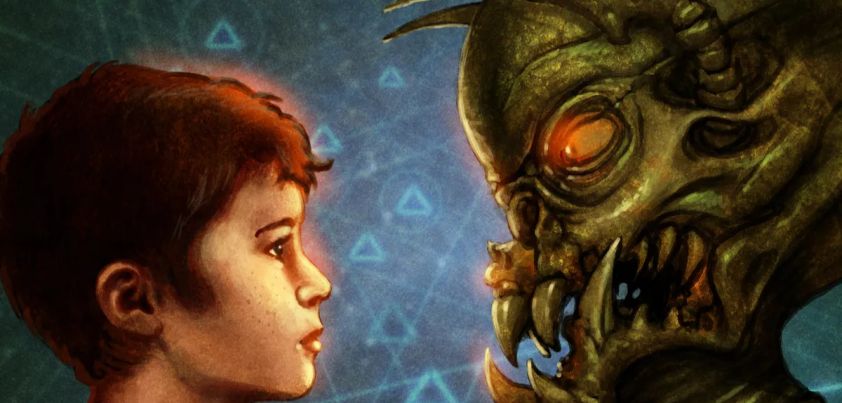
Bloodchild: Short story by Octavia E. ButlerOctavia Butler described this as her “pregnant man” story. A colony of humans fleeing some kind of trouble takes shelter on a planet inhabited by giant, insect-like beings. The insects (Tlics) develop a symbiotic relationship with the humans (Terrans). In exchange for protection, adolescent boys are allocated to Tlic families, where they must incubate a Tlic mother’s eggs. The eggs are implanted in their abdomen, necessitating a rather gruesome but usually successful delivery process. Understandably, the Terran protagonist who has just reached maturity is having second thoughts about this. Themes: exploitation vs. interdependence, gender roles, fear, sacrifice vs. jealousy, love.

Continue ReadingBloodchild

The Dead Past

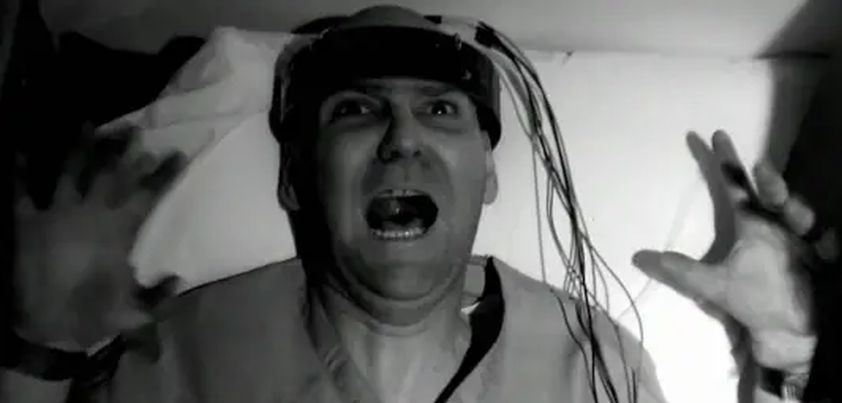
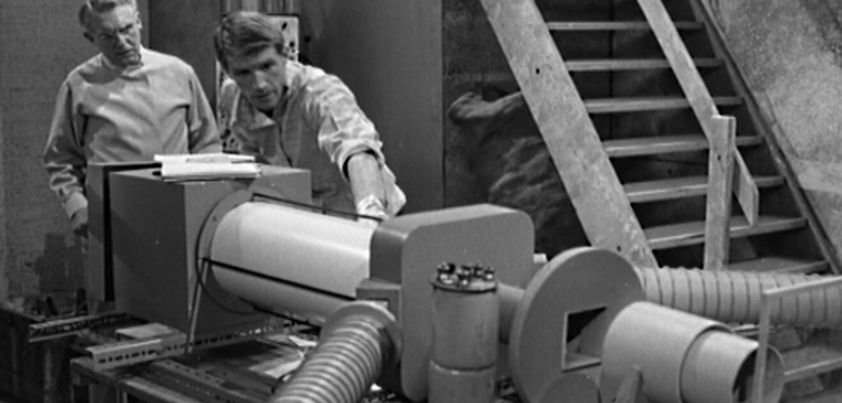
The Dead Past: Short story by Isaac AsimovIn this story by Isaac Asimov a young physicist, indignant at apparent government suppression of research in a fringe area of science, secretly builds a home “chronoscope” that can look back in time up to one hundred and fifty years. Too late, the government learns of this and tries to censor his work, pointing out the potential for his machine to destroy an important aspect of life everyone takes for granted. Themes include scientific curiosity and freedom, government disinformation and control (in this case for the greater good), privacy, guilt.

Continue ReadingThe Dead Past

Zero Hour

Zero Hour: Short story by Ray BradburyThis chilling story by Ray Bradbury involves an inattentive mother, a feisty seven-year-old girl, and her imaginary friend Drill. Throughout most of the story, the girl leads her friends in a construction game following instructions she receives from Drill. Her mother later learns that groups of children across America are playing the same game. Its name is “Invasion”, and for her the climax comes in a single word: Peekaboo. The major theme of the story is complacency. The mother senses something is wrong, but doesn’t act until too late. Other themes include human smugness (We’re impregnable!), childhood innocence/impressionability, manipulation, fear.

Continue ReadingZero Hour

LAFFF

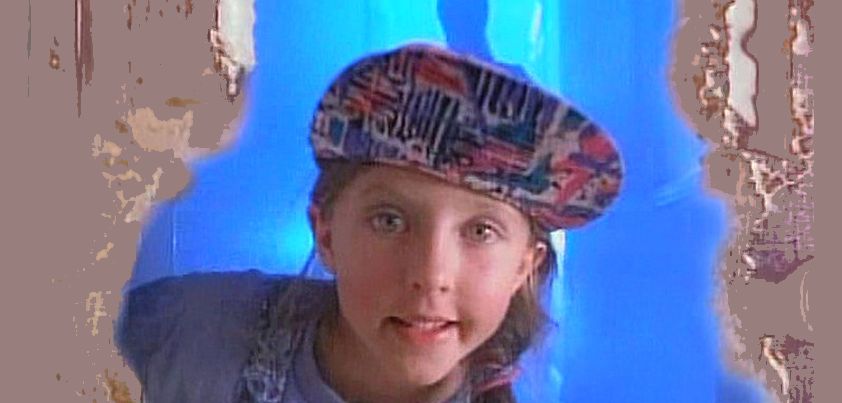
LAFFE: Short story by Lensey NamiokaThe Asian-American protagonist in this story by Lensey Namioka desperately wants to impress her parents by winning the Best Story Award for her grade in her school’s annual writing competition. Meanwhile, a nerdy classmate and neighbor has developed a time machine in his garage. She is the only one who knows about it and, when she can’t come up with a story she is happy with, she decides to travel forward in time to copy the winning entry. Her major concern is coming face-to-face with herself! Themes include pressure to succeed, friendship, time travel, cheating.

Continue ReadingLAFFF

The Perfect Match

The Perfect Match: Short story by Ken LiuIn this dystopian story by Ken Liu, a powerful cyber system gathers information on the habits, desires and preferences of almost everyone in the world. Through its motherly virtual assistant “Tilly” (Hey Google!), it uses this information to control unfavourable governments and manipulate user’s lives, including autosuggesting products from advertising partners. A member of a rebellious hacking group and disillusioned lawyer caught trying to take down the system are made an offer they cannot refuse. Themes include corporate greed vs. “benevolence”, the dangers of overreliance on AI (blind acceptance and loss of humanity), manipulation and control, rebellion.

Continue ReadingThe Perfect Match

The Last Night of the World

Last Night of the World: Short story by Ray BradburyThis Ray Bradbury story opens with a question: What would you do if you knew this was the last night of the world? A couple believe the world will end sometime during the coming night. The idea came in a dream shared by everyone they know. The couple decide the best thing to do is accept the fact and go through their evening routine as usual. They even manage to share a joke and go to bed laughing. What would you do? Themes include family, powerlessness, acceptance of the “inevitable”, comfort in routine, self-absorption and global awareness.

Continue ReadingThe Last Night of the World

The Machine That Won the War

The Machine That Won the War: Short story by Isaac AsimovThis story by Isaac Asimov remains relevant today as technology plays an increasing role in controlling everything from military applications to crucial infrastructure. An inter-planetary war has been won, Earth is safe, and three men bask in the glory. Ironically, it wasn’t won by a machine or any of the three ‘experts’. It was won either by chance or because of problems experienced by the enemy. Pointedly, no thought is given to the rights and wrongs of the war, or the suffering on both sides. Themes include war, hubris, the fallibility of machine and human decision-making, chance.

Continue ReadingThe Machine That Won the War