 In this story by Luisa Valenzuela a woman describes a visit by her lover, an Argentinian resistance leader, after a mysterious six months’ absence. After a night of passionate lovemaking, when she wakes up he is gone. Arrested and tortured to divulge his whereabouts, she copes by telling herself the visit didn’t happen. She is so successful that by the end of the story she (and readers) are left wondering whether the visitor was real, a dream, or her dead lover’s spirit. Themes include love, sexuality, gender roles, oppression, paranoia, violence, memory and imagination, the supernatural. More…
Archives
The Verb to Kill
 In this story by Luisa Valenzuela, a pubescent girl in an isolated seaside community spends a lot of time fantasizing with her sister over the imaginary depraved, murderous activities of a seemingly harmless recluse living nearby. The additional conjugations of “to kill” at the end of the story suggest the girls may have taken matters into their own hands. A major theme is the danger of judging someone based on their looks or eccentric behaviour. Other themes include gender inequality and violence in society, imagination, egocentrism, paranoia, dehumanization (of both the man and their “friend” Pocha), superstition. More…
Vision out of the Corner of One Eye
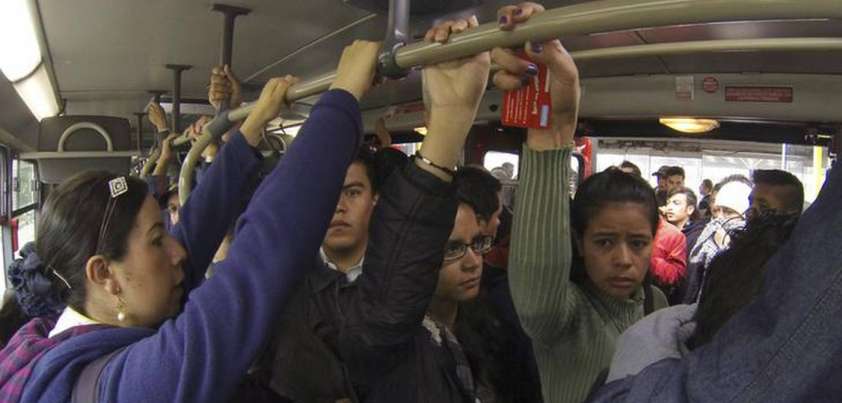 Two frequent themes in Luisa Valenzuela’s short stories are the daily violence associated with living in 1960/70s Argentina and feminism. This is one of the latter, satirizing gender imbalance and “Machismo” in society. A woman traveling on a crowded bus feels herself being groped. When she tries to move away, more people get on the bus and the groping develops into “fondling” and “jiggling”. Rather than make a scene, she gives the pervert some of his own medicine and more… rubbing his behind and expertly removing his wallet in the process. Themes include sexual assault, indignation, distress, doubt, revenge, theft. More…
All About Suicide
 Like many Luisa Valenzuela stories, a major theme of All About Suicide is the unchecked violence of daily life in 1960/70s Argentina. The story is notable for its unusual plot structure. It begins with a description of a shooting, travels back to (supposedly) irrelevant events in the distant past, fast forwards to the immediate past, and then re-describes the shooting. Thanks to the way Valenzuela playfully misleads readers with ambiguous possessive adjectives, the true nature of the shooting remains unclear until the last sentence. Other themes include treachery, suppression, guilt, courage, exposure, murder-suicide. More…
The Censors
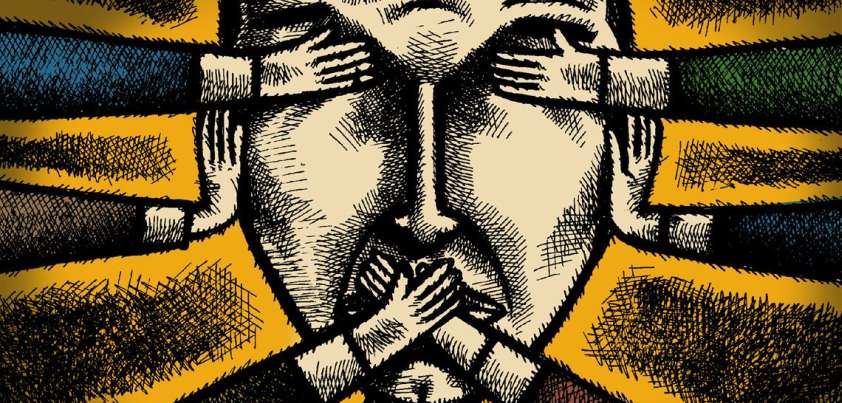 Written during the early days of Argentina’s Videla dictatorship, this story by Luisa Valenzuela satirizes the use of censorship in limiting free speech. A man worried that government censors may misinterpret an innocent letter he wrote to a woman in Paris gets a job at the censorship office to recover it. Ironically, he becomes so immersed in the job that his values change to embrace censorship. His dedication results in promotion to a top position and, when his letter finally reaches him, he dutifully censors it, bringing about his own downfall. Themes include censorship, oppression, paranoia, love, alienation, identity, duty. More…