 Raymond’s Run by Toni Cade Bambara is about a feisty school girl nick-named ‘Squeaky’ who helps take care of Raymond, her mentally challenged older brother. Squeaky is a very talented runner. She trains hard and desperately wants to win this years’ May Day race to show up an annoying and over-confidant new girl in town. During the race she sees Raymond running along the outside of the track keeping pace with her. She suddenly decides that winning races doesn’t matter as much as it used to. Themes: responsibility (care-giving), identity, independence, alienation, pride, rivalry, personal growth, respect. More…
All posts by shortsonline
The Visitor
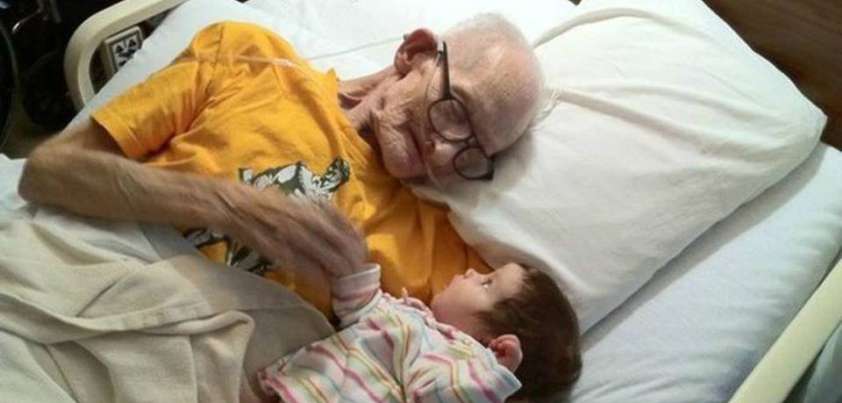 This flash story by Lydia Davis starts with the narrator foreshadowing a visitor to his/her home who will require around the clock care and attention. The visit reminds the narrator of two similar experiences, one by a family member and the other by a friend. In both cases, healthy old men with whom they were living deteriorated physically to the point that their bodily functions collapsed and they became dependent on others for their day-to-day care and well-being. The story takes an unexpected twist in the heart-warming final paragraph, where the narrator reminds us of the circle of life. More…
The Circuit
 This is a chapter from the The Circuit: Stories from the Life of a Migrant Child, a collection of autobiographical short stories by Francisco Jiménez. The title refers to the way many migrant laborers move from place to place over a year in search of seasonal farm work. For the children of this close-knit family, this means poor living conditions, never being in one place long enough to have permanent friends, working in the fields when old enough, and limited opportunities to attend school. Themes include family, poverty, perseverance, impermanence, loneliness, language and communication, child labor, lack of educational opportunities. More…
The New Dress
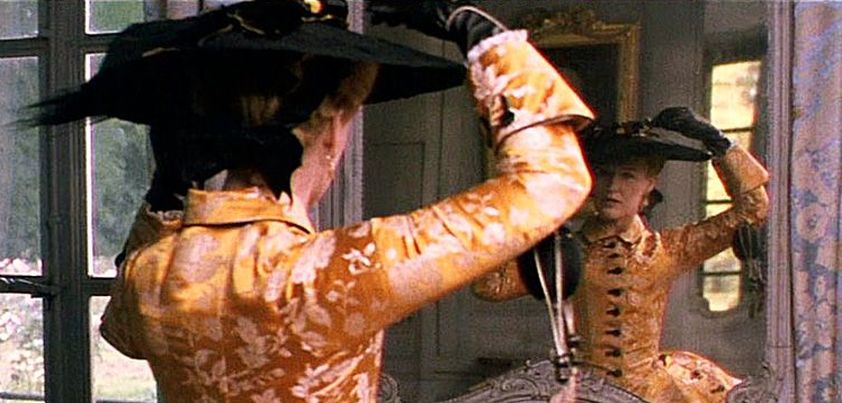 Virginia Woolf’s middle-aged, lower middle-class protagonist has gone to great lengths to have the perfect dress made for an upper middle-class party. The moment she arrives, she sees that the dress is “not right”. Highly embarrassed, she imagines everyone is mocking her. At first, she blames her situation on her working class upbringing and fantasizes about what might have been if her family had been wealthy. Then, in a moment of introspection, she remembers the good times in her life, commits to a plan for self-improvement, and leaves the party early. Themes: insecurity, self-consciousness, class, poverty, alienation, self-discovery. More…
My Kinsman, Major Molineux
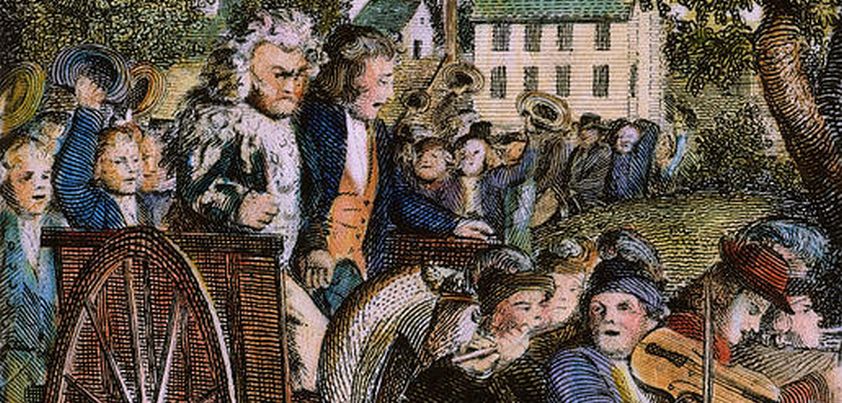 This Nathaniel Hawthorne story is set in the unsettling times shortly before the American Revolution. A naïve eighteen-year-old man travels from the countryside to an unnamed town seeking promised favors from Major Molineux, a distant relative and officer in the British army. Whenever he enquires about the Major’s address, he is met with either scorn or an evasive answer. He learns why when his tarred-and-feathered kinsman is led past him in a street parade. Fortunately, thanks to a kind stranger, there is still a possible future for him in the town. Themes: hope, political unrest, disorder, loss of innocence, compassion. More…