 The lessons taught by many folktales are just as important today as they were hundreds of years ago. Donkey Skin deals with sexual abuse in the form of incest between father and daughter. A powerful king wants to marry his daughter, as this is the only way he can keep a promise he made to his dying wife. Fortunately, the brave girl has other ideas. I find it interesting that the story makes it clear that the king’s actions are wrong, but seems to have no problem with a handsome prince who spies on women through key holes. More…
All posts by shortsonline
Names/Nombres
 This is a personal essay reflecting incidents in the life of author Julia Alvarez. On the one hand, it examines the important relationship between name and identity in Hispanic culture. On the other, it highlights the desire for migrants, especially children, to ‘fit in’ with an anglicized name that is easily pronounced. Finally, we have her mother’s wisdom in saying that it doesn’t matter, quoting the English idiom A rose by any other name would smell as sweet. In the final paragraph, the girl wonders what name she will go by when she is well-known. We now know the answer! More…
The Shawl / Rosa
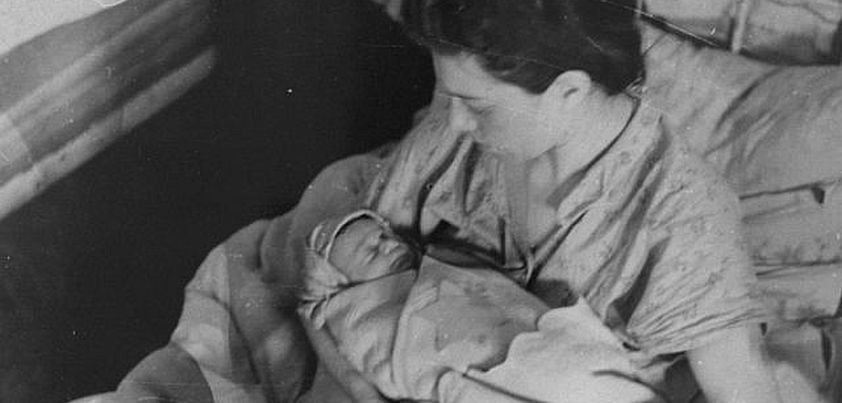 Today we are featuring two award-winning stories from Cynthia Ozick. The first, The Shawl, is set in Second World War Poland and deals with the horrors of the holocaust as experienced a young mother (Rosa), her infant child (Magda), and fourteen-year-old-niece (Stella). The second story, Rosa, is a sequel to the first. Set in the USA over thirty years later, it demonstrates the devastating long-term effects of the women’s war-time experiences. More…
The Pedestrian
 This is our second Ray Bradbury story that questions the social effects of television (the first being The Veldt). Set in 2053, almost everyone stays indoors all night watching TV. Leonard Mead doesn’t. He enjoys going out for a long walk every evening. This is so unusual that the only police car patrolling the empty streets arrests him for his “regressive tendencies”. Fortunately, Bradbury’s predictions about TV were wrong. However, something far more dangerous may be replacing it: social networking on mobile devices! Themes include social dysfunction, dehumanization through technology, conformity vs. individualism, surveillance and control, isolation, disconnection from nature. More…
Victoria and Her Kimono
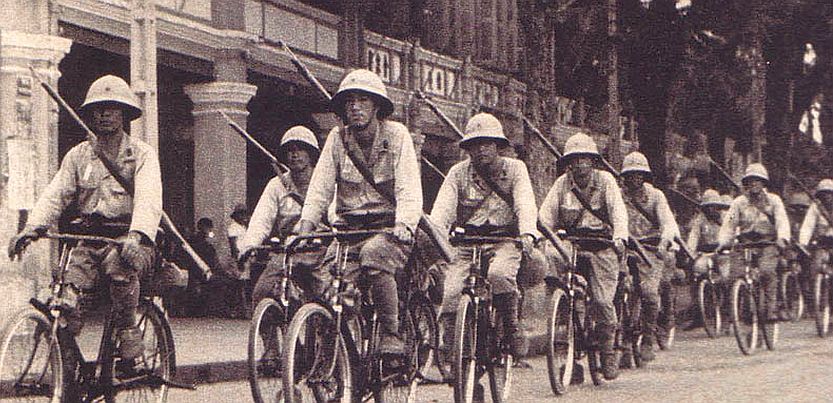 This story by M. Shanmughalingam is in two parts. The first is a humorous description of pre-World War 2 goings-on at one of Kuala Lumpur’s most prestigious secondary schools. Told from the point of view of an “old school” disciplinarian English teacher, it has a Monty Python-like ring to it. The second deals with the brutality and privation associated with Japanese occupation and how, thanks to a home-made kimono and a few words of Japanese, the Tigress of Asia (the teacher’s wife) saves his life. Themes include colonialism, the power of language, suffering, courage, resilience. More…