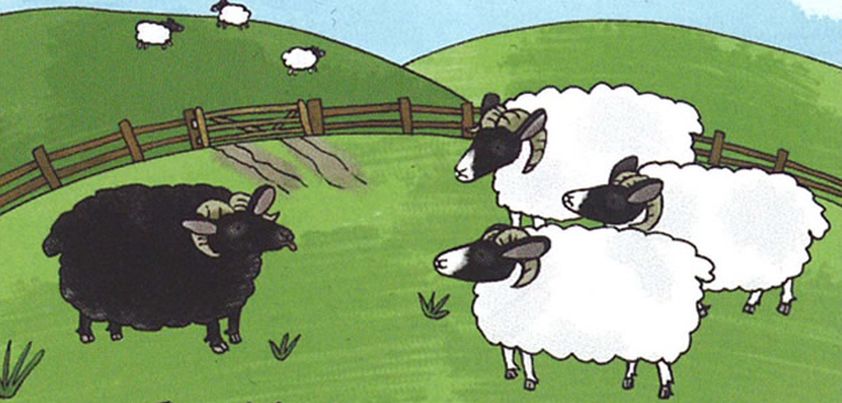
 In this Anton Chekhov story, wealthy family members consider what to do about a nephew who has issued a false promissory note (IOU) in one of their names. Do they repay the debt to preserve family honor and avoid a scandal, or let justice take its course? On learning of the decision, the unscrupulous young man uses it to extort further money from an uncle trying to help him and, in the process, grudgingly admits an unfortunate aspect of his character. Themes: crime and consequences; justice/civic duty vs. family honor; nature vs. nurture, hedonism of the young upper-class, pride, despair. More…
All posts by shortsonline
The Purloined Letter
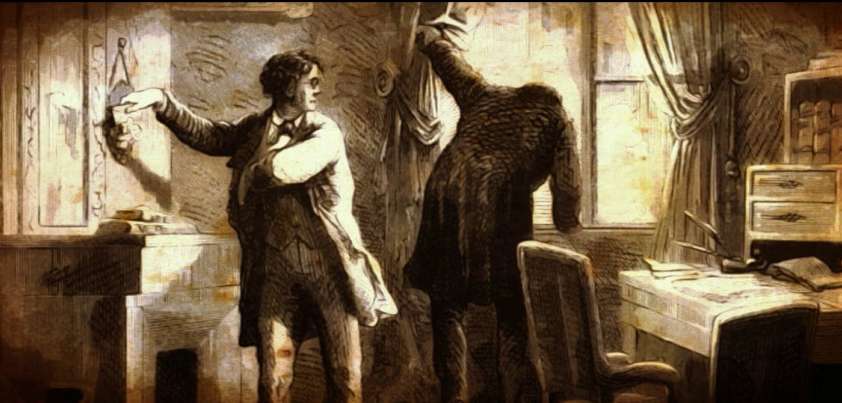 Edgar Allan Poe is famous for his horror stories. However, only about fifteen of his sixty or so stories are of this kind.He is also widely recognized as the “father” of modern detective fiction thanks to his three tales featuring the Chevalier [Sir] Auguste Dupin. In a manner later emulated by the likes of Sherlock Holmes and Hercule Poirot, Dupin succeeds where eminent policemen fail… in this case, simply by recognizing that the best place to hide something important is in plain sight. Themes: blackmail, political manipulation, deception, linear (scientific) vs. lateral thinking. More…
Mrs. Geni in December
 This story by Arswendo Atmowiloto explores the life of an eccentric Indonesian bridal make-up artist. While some of her views reflect Indonesia’s Muslim culture (marrying when it is time, not of love, and support for polygyny), others challenge it (pregnant brides should be proud of their proven fertility and not hide the fact). She believes that while marriage is illogical and “humanity’s most restricting and frightening discovery”, the ceremony brings joy and happiness. She proclaims: “Let people experience joy once in their lives,” implying the ceremony may mark the end of their happiness. Themes include marriage, freedom and happiness. More…
Identities
 In this story from W. D. Valgardson, the smell of burning leaves on a Saturday morning evokes pleasant memories for a man of childhood drives in the countryside. With his family otherwise occupied, he decides to leave his up-market neighborhood and re-live the experience. Unfortunately, the open spaces of his youth have been replaced by urban sprawl. Late in the day, he finds himself lost in a seedy, seemingly dangerous neighborhood. A stop to call home and warn his family that he will be late for dinner is the last act in his life. Themes: nostalgia, appearance, prejudice, stereotyping, misjudgement. More…
End of the Game
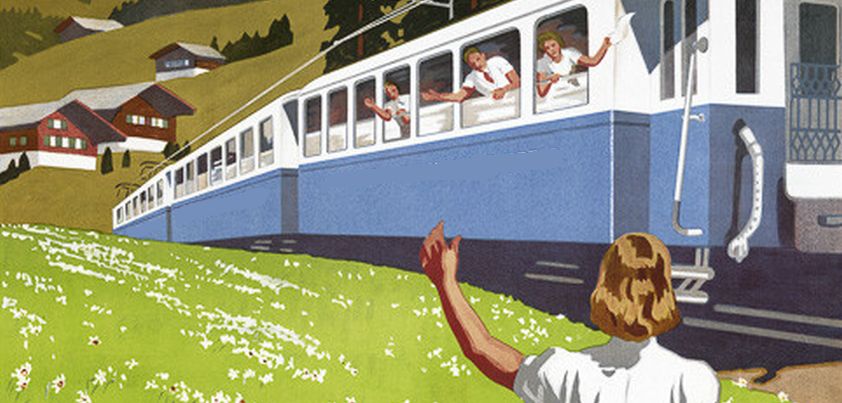 This Julio Cortázar story involves two “games”. One is the daily Statues role-play three adolescent girls perform to entertain passengers on a passing train. The second is also a game of pretend… ignoring the effect a debilitating disability will have on one of their lives. For the disabled girl (Letitia), Statues is the only physical activity in which she can match the others. They in turn are resentful of Letitia’s special treatment at home. When a boy on the train takes a special interest in Letitia, both games end. Themes: fantasy vs. reality, envy, guilt, confronting disability, coming of age. More…