 The major messages of this playful story by Robert Olen Butler are the importance of communication in a relationship, and that jealousy can develop into a dangerous obsession. A jealous husband who did not articulate his love or concerns enough is resurrected as a parrot and purchased as a pet by his recently widowed wife. When taken “home” in a cage, he finds she is enjoying her newfound freedom with a string of other partners. Ironically, now realizes how much he loves her, but doesn’t have the vocabulary to tell her. Themes include love, communication, infidelity, jealousy, obsession. More…
Category Archives: Short Stories
Landscape with Flatiron
 This story from Haruki Murakami paints a bleak picture of the troubled lives of a young woman (Junko) and the middle-aged artist (Miyake) who befriends her. The pair bond over bonfires Miyake constructs on a beach. Both appear to be trying to escape unstated traumas from their past, and could possibly be suffering from PTSD. Their lives are contrasted with that of Junko’s boyfriend, a carefree surfer and musician. Set a month after the devastating 1995 Kobe earthquake, major themes include the meaning and uncertainty of life and, of course, death. Other themes are artistic inspiration, family, emptiness and suicide. More…
The Last Rung on the Ladder
 This heart-wrenching story by Stephen King explores a common feature of modern life: the way many families drift apart as younger members leave home. As children, the protagonist and his younger sister shared a life-threatening adventure involving a broken ladder. The girl’s comment afterwards: I knew you must have been doing something to fix it. You’re my big brother. I knew you’d take care of me. Later in life, he is too busy climbing a different ladder to be there when needed. Themes include faith, family drift, loss of innocence, isolation, despair, guilt. More…
Haircut
 This story by Ring Lardner shows how satire can be used to raise awareness of problems in society. A small-town barber talks to a visitor about local life. The barber seems to think the town is a good place to live. However, the stories he tells suggest otherwise… especially if you are a woman or impaired in some way. Most of the barber’s stories are about a dead customer who he says had a kind heart but just liked to have fun with people. We hope you can see that the customer was not kind at all! More…
The Erlking
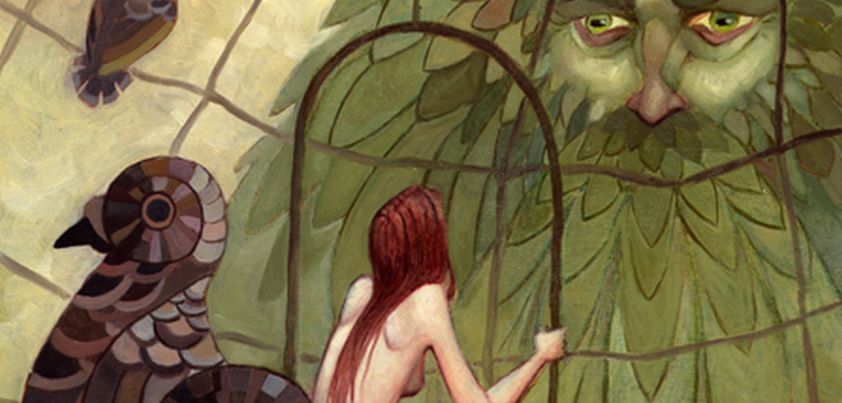 This “fairy-tale” by Angela Carter is derived from a European myth. A magical being living in harmony with nature seduces young women traveling through his forest domain. The women are powerless to resist. When he tires of one, he transforms her into a bird, cages her, and adds the cage to a collection of similar cages adorning the walls of his house. The protagonist, sensing her fate, decides that the only way to free herself and his “bird” collection is to do away with him. Themes include connectedness to nature, the supernatural, power and objectification, sexuality, entrapment, liberation. More…
Silent Snow, Secret Snow
 Conrad Aiken’s Silent Snow, Secret Snow is a psychological horror fantasy. It begins with a twelve-year-old boy (Paul) imagining overnight snowfalls. This leads to a growing fascination with snow, the thought of which provides relief from the mundane routine of his daily life, the ugliness of the world around him, parent-child conflicts, and awakening sexuality. As the imagined snowfalls increase, Paul begins to lose touch with reality. In the disturbing climax, his boy’s “snow voices” come alive and he completely withdraws into himself as they tell him a story. Major themes: mental illness, concealment, detachment and alienation. More…
The Magic Barrel
 In this humorous story from Bernard Malamud a rabbinical student, a matchmaker, and an errant young woman with “desperately innocent” eyes are all potential winners. The story is as much about the young, introverted rabbi-to-be’s spiritual emptiness as it is his desire to find a wife. His first meeting with a potential match reveals an embarrassing truth: he can’t explain the reason for his calling. He feels a need to re-invent himself, and finds a path to possible redemption in the photograph of a woman whose face carries an “impression of evil”. Themes: tradition, materialism, loneliness, identity, religion, love, redemption. More…
Araby
 It is tempting to think the central theme of this story by James Joyce is an adolescent boy’s infatuation with a friend’s older sister. However, the title gives it away. The main theme, brought about by the boy’s wish to impress the girl, is his obsession with visiting the Grand Oriental Fete (Araby). The story helps us vicariously re-live our own Arabies. Whether it be a relationship, work opportunity or important event, we all have experiences where something much looked forward to greatly disappoints. We know how the boy feels! We know how the boy feels! Other themes: alienation, loneliness, religion, vanity, disillusionment. More…
A Night in the Life of the Mayor
 This humorous story by Manoj Das takes a satirical swipe at the abuse of power and narcissism of Indian officials. A mayor belittles his old professor for complaining about a stray cow that chewed up his granddaughter’s psychology notebooks. Karma strikes when that same cow runs off with the mayor’s half-eaten clothes and car keys as he is taking a dip in a secluded part of a river. He experiences an epiphany as he floats down the river, lying naked in a boat, after people arrive and start searching for him. Themes include ambition, power, pride, narcissism, self-discovery, redemption, regret. More…
The Artist / Painter
 With over 100 to choose from, it was hard to decide where to start with the short stories of Bengali writer Rabindranath Tagore. In recognition of his mastery of so many fields, we have chosen this lesser-known story written in 1929. This was a year after Tagore took up painting (at age sixty-seven!) and went on to re-shape the Indian art world. The themes of the story reflect Tagore’s life: embrace your passions, and don’t let the criticism of others (such as the ‘connoisseurs’ who laughed at Rangalal) or worship of money (as demonstrated by Govinda) stand in your way. More…
How My Brother Leon Brought Home a Wife
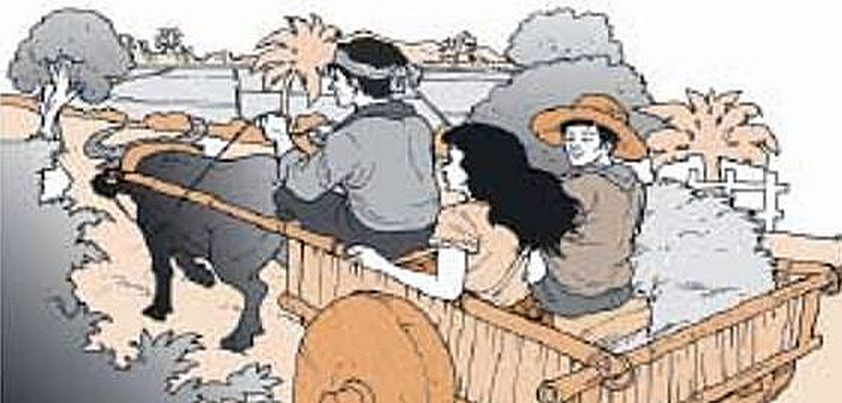 In this popular Filipino story from Manuel E. Arguilla, a son brings his city-based bride home to the countryside to “meet the family”, only to have the poor woman tested by his father before she even arrives. The father has his younger son meet them with a bullock cart rather than horse and carriage, and bring them home via a stony “short-cut” along a dry creek bed rather than the smoother main road. The apprehensive but charming girl (in high heels no less!) passes the tests with flying colors. Themes: love, fear, perseverance, patriarchy, reputation. More…
The Balloon
 A huge balloon appears unexpectedly one night, covering 20 city blocks of central Manhattan. Nobody knows why it is there, triggering varying initial responses. After a short time, people begin to accept the balloon simply because it exists. They no longer need to know why. Like the balloon, this story by Donald Barthelme may appear confusing at first because it appears to have no message or theme. Barthelme is satirizing our need to know “why” (find a purpose or meaning) before we can appreciate a creative expression… whether it be a balloon, a work of art, or a story. More…
Arabesque: The Mouse
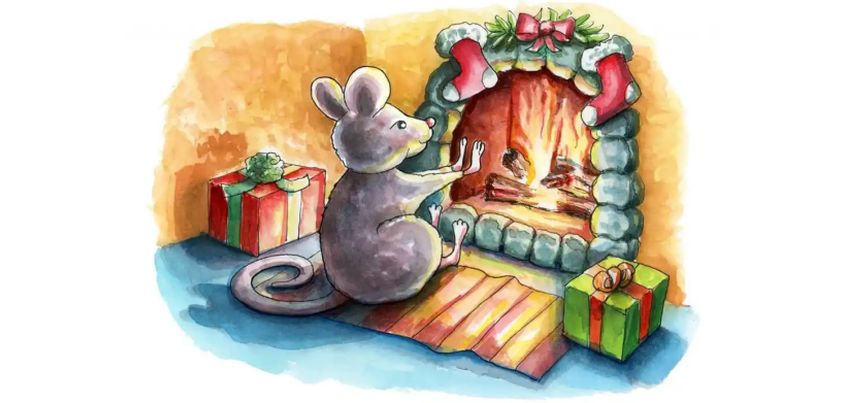 In this psychological horror story by A. E. Coppard, an idealistic man who has withdrawn from society due to constant rebuff sits alone in a mouse-infested garret. As he watches the antics of a mouse in front of his fireplace, his mind wanders to the death of his mother and loss of the only woman he ever loved. When he comes back to reality, the mouse is sitting before a trap with its forepaws torn off. Association of this with his mother’s grisly death sends him to the brink of madness. Themes include mother-child relationships, loss, depression, despair, shame, insanity. More…
The Door in the Wall
 The major theme of this psychological fantasy by H. G. Wells is the conflict between reality (logic) and imagination. A precocious five-year old from a loveless household is permitted to walk the streets of London alone. One day he is drawn to a door that opens to an enchanted garden where he is greeted by tame animals and a beautiful, loving woman and plays with friendly children. Despite achieving great success in life, he becomes obsessed with re-visiting the garden. Other themes: childhood neglect, alienation and loneliness, escape, regret, obsession, success vs. happiness. More…
The Signal-man
 Many Charles Dickens stories feature ghosts. Part of the attraction of The Signal-man is that, although generally considered one of these, there is no hard evidence of a ghost. Dickens masterfully uses setting to create a forbidding, unearthly atmosphere, and then leaves the question of the ghost to the reader. Like all first-person stories, the narrator’s version is open to misinterpretation and bias. The only evidence of the supernatural are the ghostly sightings described by the (now dead) signal-man, and some (potentially coincidental) shared expressions and gestures. Themes: duty & responsibility, fate, isolation, guilt, sanity, the supernatural. More…
Solitude
 This story by Miguel De Unamuno should not be confused with his soliloquy of the same name by a man who chooses solitude. Predicting what her baby daughter’s future will hold, the dying wish of a woman married to a selfish, uncaring man is that she be named Solitude. After a failed love affair and the death of her father, the girl lives up to her name. When questioned years later, she has some interesting observations on men (Poor little fellows!) and erotica. Themes include isolation and loneliness, bullying, unrequited love, contentment in solitude. More…
Once Upon a Time
 Although Nadine Gordimer’s Once Upon a Time follows a fairy-tale pattern (there is even a wise old witch!), the storyline doesn’t have a fairy-tale ending. On a superficial level, it could be regarded as a parody of The Three Little Pigs: a family builds a stronger and stronger house to keep out the big bad wolf, only for the extra security to ruin their lives. On a more serious note, the story has several important themes: Racism, Apartheid and Inequality (which lead to Social Decay) and the consequences of being ruled by Fear (Anxiety, Overreaction, and in this case Self-Destruction). More…
The English Pupil
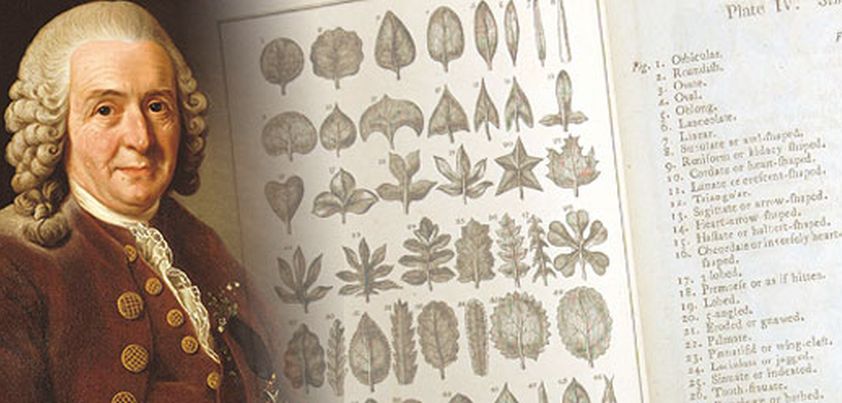 In addition to being a celebration of the life and work of renowned biologist Carl Linnaeus, major themes of this touching story by Andrea Barrett are aging, memory and approaching death. The dying scientist has his coachman take him to his empty country estate where, amid a fog of fading memories, he reminisces about his life and the fate of some of the “apostles” he sent around the world to collect biological specimens. Later, he is joined by a concerned daughter and an unknown man he imagines to be his only surviving pupil. Other themes include family, pride and regret. More…
The Shroud / Kafan
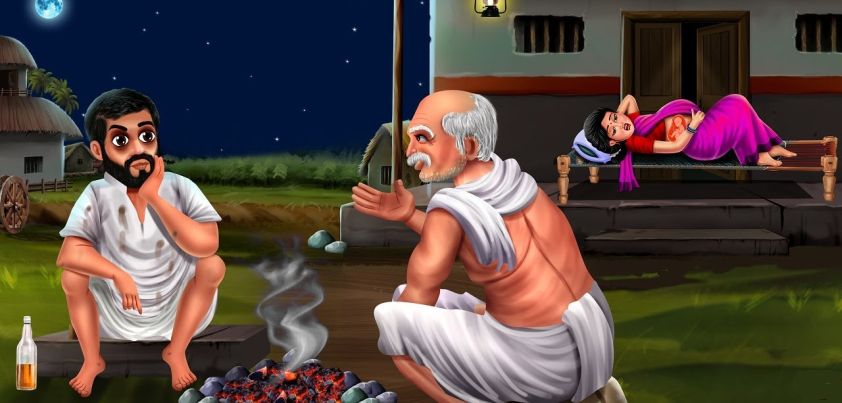 This dark comedy by Premchand follows father and son Chamars (one of the Dalit or “untouchable” sub-castes) as they go to buy a funeral shroud for the son’s deceased wife. The lazy but likeable pair, who will do anything to shirk work, end up spending donated shroud money on a boozy night in town. The story satirizes the caste system by pointing out that those who can never rise above their low birth position have little incentive to do more than ensure their survival. Themes include social class, callousness, indolence, tradition, selfishness, exploitation (of the generosity of others). More…
The Guest
 In this story by Albert Camus, a policeman orders Daru, a teacher from a remote Algerian school, to escort an alleged murderer to the nearest city. Camus was an early philosopher in the field of Existentialism. The story features several existential themes: the absurd (The situation Daru finds himself in.); the need to choose (Daru can follow the policeman’s order or set the man free; the man can go South to freedom or East to captivity.); and angst (Daru was in a “no win” situation. Whatever decision he makes will have unpleasant, and possibly deadly, consequences.) Other themes: honor, hospitality. More…
A Home near the Sea
 In this story by Kamala Das, an Indian woman angrily scolds her husband, a lazy drunkard, as she tells a fellow beggar how a year earlier he lost a secure job and caused them to be evicted from their hut. As the aging woman complains about her lot, the listener brings her to tears. He poetically extols the benefits of living in the open beside the sea, provides encouragement that things will improve, speaks to her of music and artistry, and likens her to the Hindu goddess Lakshmi. Themes include marriage (loyalty, jealousy, control and complacency), poverty, negativity, dreams, generosity. More…
Tobermory
 This story by Saki is a satire of early twentieth century British high society. A group of socialites attend a weekend house-party. Among the guests is a visiting scientist who was invited in the hope that his cleverness would contribute to the general entertainment. All are amazed when he teaches Tobermory, the family housecat, to speak perfect English. However, their surprise soon turns to anger at some of the things Tobermory has to say. This seals Tobermory’s fate… he knows too much and must be silenced! Themes include wonder, superficiality and hypocrisy, embarrassment, anger, retribution More…
Thus Were Their Faces
 In this surreal, rather abstract story by Silvina Ocampo, a seemingly confused (or perhaps mentally disturbed) narrator describes the bizarre behavior of children at a boarding school. The students begin to act as if they want to become equal, and increasingly lose their individuality. Seemingly directed by a collective consciousness, they strive to look and act the same and develop a strange fascination with wings. In the “miraculous” climax, we learn that all children attending the school share a common characteristic: it is a school for the deaf! Themes include identity, equality, freedom, the supernatural. More…
With All Flags Flying
 An unusual aspect of this Anne Tyler story about an eighty-two-year-old man going into an “old folks’ home” is that he is doing it out of choice and on his own terms. The old man has renounced the material world. For him, the most important possessions in life are his independence and dignity. Although he has a loving family who would gladly house and care for him, he is ashamed of his growing weakness and steadfastly (and somewhat selfishly) refuses to be loved at any cost. Themes: aging, independence, frugality/minimalism, family, pride, stubbornness.
More…
Dominoes
 Jack Agüeros cleverly uses a game of dominoes to illustrate two common themes affecting Puerto Rican immigrants living in the United States: fate vs. free will, and the Latin American concept of machismo. Fate is mirrored by the game and its outcome. Is it over as soon as you get your hand, as Tito says, or a game of skill where you can influence the result? Machismo (being seen as a man among men) introduces several sub-themes: pride, patronization of women, competitiveness, protection of honor, success with women, insecurity, and the ever-present prospect of violence. More…
A Municipal Report
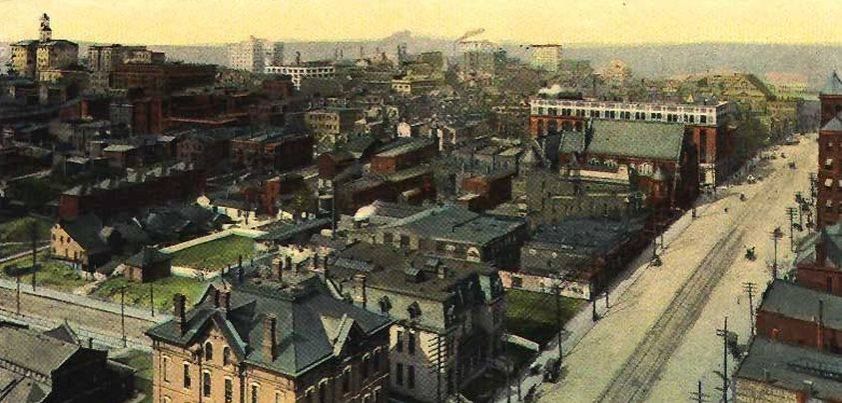 O. Henry wrote over 600 short stories, of which some critics consider this to be one of the best. The plot involves what happens between the unnamed narrator, three main characters, and a torn dollar bill that keeps coming back to its original owner. The characters: Azalea Adair, a self-educated, gentle lady of the old South; Major Caswell, a cruel husband who treats her badly; and Uncle Caesar, a kind African-American man with a royal bearing who tries to help Azalea. Themes include: pretense, pride, change, domestic violence, loyalty, self-learning and the power of imagination. More…
The Jilting of Granny Weatherall
 This story from Katherine Porter describes the disoriented thoughts and recollections of a feisty eighty-year-old (Granny Weatherall) as she lies dying in the house of one of her daughters. Satisfied with her life, she awaits a sign from God to say that her time has come. In her last moments, she likens the absence of such a sign to being left standing at the altar sixty earlier. Major themes are perseverance, motherhood and faith. Other themes: aging and death, loss (over the death of husband John and daughter Hapsy), betrayal and repressed anger (over being jilted by George). More…
Where Is Here?
 One of the beauties of this unsettling story by Joyce Carol Oates is that it is open to many interpretations depending on how much one reads into the visitor’s identity and purpose. At its simplest, the story involves a man behaving strangely as he confronts pleasant and unpleasant memories during a visit to his childhood home. More imaginative interpretations include revisiting a scene of child abuse and/or patricide, and a ghostly warning from the past or future about looming danger or a cursed house. Themes: (general) nostalgia, connection, domestic violence; (through the riddles) mortality, time, infinity. More…
The Return
 Roberto Bolaño’s The Return is not your usual Gothic ghost story. The mood (though not the storyline) is more like the Patrick Swayze movie Ghost, which is referred to in the story. When a man’s ghost finds that it can communicate with a famous French fashion designer, it decides to spend its time on earth with him. The two hadn’t known each other in real life, and only met because the fashion designer had paid to have sex with the man’s corpse! Themes: death, the afterlife, necrophilia, disillusionment, insecurity, isolation, empathy. More…
Boys and Girls
 The major themes of this story by Alice Munro are coming of age and gender roles. Set on a Canadian fox farm, a young tomboy prefers to spend her time outdoors with her father rather than indoors helping her mother. When she overhears her mother talking about how happy she will be when the girl is older and can help more around the house, she feels betrayed. Her outlook slowly changes as she gets older, culminating in a rebellious act that her father dismisses with the words She’s only a girl. Other themes: family relationships, loss of innocence, self-awareness. More…
Proper Library
 In this acclaimed story by Carolyn Ferrell a gay, academically challenged African-American boy experiencing persecution at school faces a conflict between his ambition to make something of himself and his feelings for a former lover. In addition to learning words with his mother, a highlight of the fourteen-year-old’s day is acting as surrogate “big sister” to the nine-plus younger children living in their house. The boy appears more grounded and “maternal” than most of the women in the story, many of whom are suffering major insecurity issues. Themes include family, love, sexuality, identity, gender stereotypes, alienation, responsibility, determination. More…
Exchanging Glances
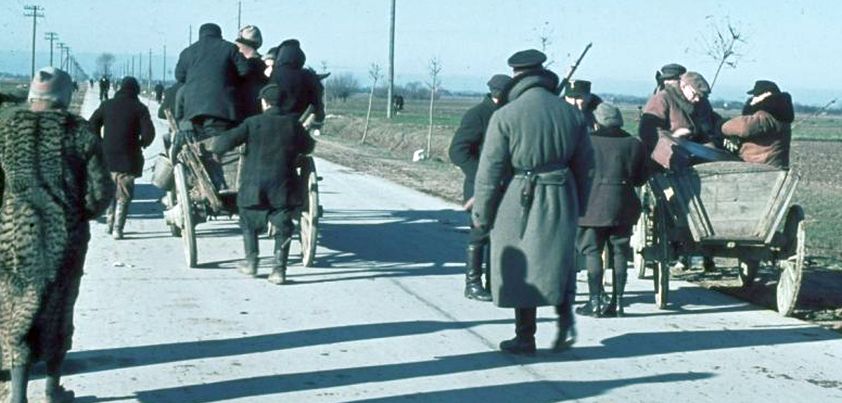 This autobiographical story by Christa Wolf provides a unique perspective on the final days of World War II, told from the viewpoint of a middle-aged German woman looking back on her time as a teenager fleeing the Russians with her family. Part of a column of refugees, she recounts being strafed by American fighter planes, learning of Hitler’s death, encountering a retreating Wehrmacht unit, and coming face-to-face with liberated concentration camp survivors. Ironically, some confronting experiences on reaching the “safety” of American lines leave her in tears. Themes: war, the vagaries of memory/selective amnesia, changing perspectives, dislocation, loss, death. More…
Why Don’t You Dance?
 This minimalist story from Raymond Carver captures a brief encounter between a middle-aged man holding a yard sale and a young couple interested in buying furniture. We learn very little about the man other than that he was once in a relationship, is selling almost everything he owns, and probably drinks too much. The man offers the couple whiskey, puts on some music, and suggests that they dance. Carver leaves it to the reader to interpret what happens next. All we know is that the girl is troubled by it for weeks. Possible themes: alcoholism, loneliness, despair, compassion, connection, confusion. More…
The Killers
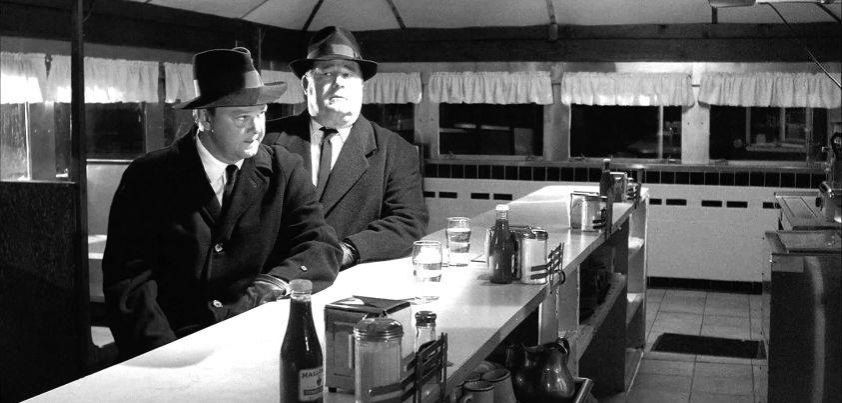 In this coming of age story by Ernest Hemingway, two hit men come to a small-town restaurant to shoot a man to oblige a friend. The three men already in the restaurant (its manager, cook and a young customer) are detained but, when the intended victim (a prize-fighter) doesn’t turn up, they are released and the hit men leave. The customer hurries to warn the prize-fighter. However, the poor man appears to have accepted his fate, saying there is nothing anyone can do to save him. Themes include crime, passivity (“looking the other way”), futility, acceptance, courage, manhood, disillusionment. More…
The Model Millionaire
 Through humor and irony, this story by Oscar Wilde shows how an act of kindness can sometimes change one’s life. Handsome, well-spoken and adored by everyone who knows him, Hughie Erskine can’t seem to make a success of life. To marry the woman he loves, he needs to show her father that he has the impossible amount (for him) of £10,000 to his name. A chance visit to an artist friend and the generous gift of his last sovereign to a beggar he was painting solves his problem. Themes include appearance vs. reality, compassion and kindness, selflessness, generosity, karma. More…
There Will Come Soft Rains
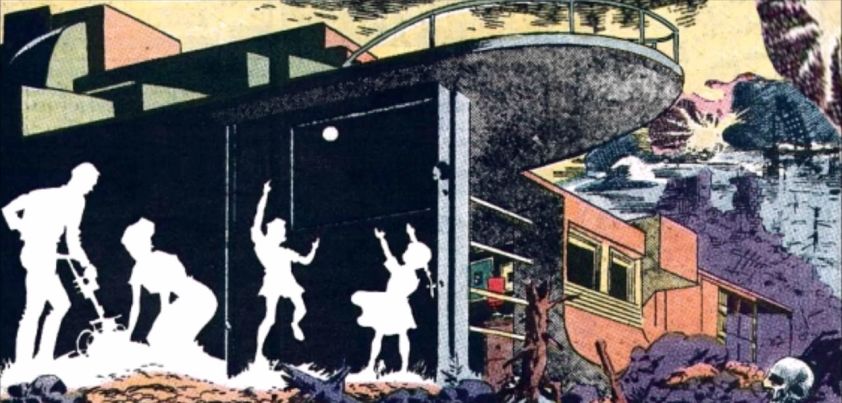 This science-fiction story from Ray Bradbury chronicles the last day in the ‘life’ of an automated house that has survived nuclear war. Although the house’s inhabitants are dead, represented by shadows on the outside walls, it has continued its daily cycle of programmed activity. Major themes are the danger of nuclear war, and the consequences of taking technology too far. In replacing almost all human tasks in their daily life, the householders were dependent on technology. Ironically, that same technology built the bombs that destroyed them. Other themes include death (the dog, house and humankind), nature (the only survivor), dystopia. More…
Theft
 The major theme of this story by Katherine Anne Porter is loss… a stolen purse, lost friendships and opportunities, loss in love, loss of youth, and loss of hope. The real “robber” in the story is the protagonist, a struggling, ‘not so young’ writer who prides herself on her trusting, easy-going, unmaterialistic nature. After receiving a letter ending a love affair and later having her purse stolen, she realizes that if she doesn’t take charge of her life and stop “letting things go”, she will end up with nothing. Other themes include apathy and self-delusion, alienation, love, rejection, guilt. More…
Forty-Five a Month
 In this 1940s story by R. K. Narayan, a working-class father is tortured by guilt over his inability to spend time with his young daughter and provide some of the luxuries other children enjoy. When the chronically overworked man asks for an evening off to take her to a movie, he is refused. He is on the point of resignation when offered a small raise that the family needs badly. In a poignant moment, he arrives home late and finds his daughter asleep, still dressed for the movie. Themes: childhood innocence, parent-child relationships, powerlessness, exploitation, financial struggle, sacrifice, guilt. More…
The Three Questions
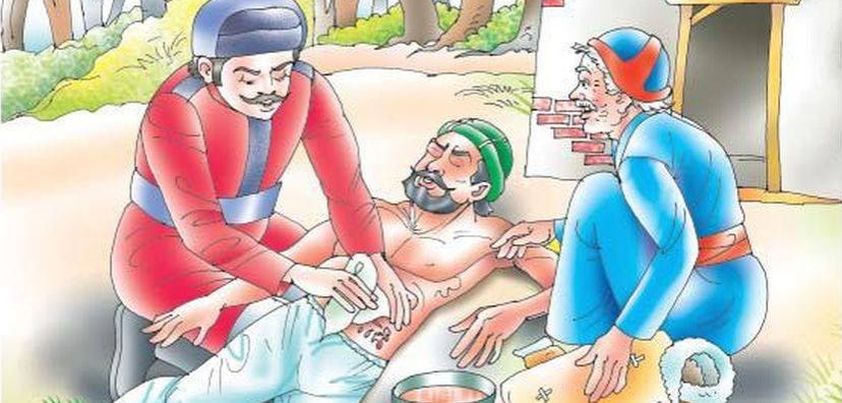 This parable from Leo Tolstoy is about how to succeed in life. A king believes he would never fail in a task if he always knew three things: What is the best time to begin? Who are the most important people to have around you? and What is the most important thing to spend your time doing? He offers a reward for the answers, but neither his wisest counselors nor others who come to claim it can help. An experience with a forest hermit and injured assassin teach him what he needs to know. Themes: wisdom, humility, kindness, forgiveness, morality. More…
The Fortune-Teller
 This story by Joaquim Maria Machado de Assis involves a love triangle between life-long best friends and a woman who is married to one of them. The sceptical lover laughs when the woman consults a fortune-teller for comfort that their relationship will last. Shortly afterwards, he begins to receive anonymous letters claiming that their affair is public knowledge. Ironically, when the husband sends a note asking for an urgent meeting at his house, the frightened lover visits the same fortune-teller for comfort that he is not walking into a trap. Themes include betrayal, adultery, superstition, fate. More…
The Judgment (The Verdict)
 On the surface, this story by Franz Kafka is about a troubled man’s relationship with his frail but dominating father. The father thinks his son is trying to ease him out of their successful business. The son communicates regularly with a ‘friend’ in Russia, who may be an imaginary alter ego. The father says the friend would be more a son after my own heart, and judges his son guilty of selfishness and betrayal. He sentences him to death by drowning, which the son promptly carries out. Themes: loneliness, insecurity, bachelorhood vs. marriage, patriarchy, father-son relationships, crime, guilt, punishment. More…
The Ring
 In this coming of age story by Isak Dinesen (aka Karen Blixen), a recently married nineteen-year-old woman from a wealthy family is confronted by violence for the first time. Having led a sheltered life, the woman has an innocent, child-like view of the world, and in particular her husband’s commitment to improving their farm. Her married bliss is shattered by a chance encounter with a man covered in blood who is on the run for theft and murder. The triggers a re-evaluation of her naïve views on life and marriage. Themes: loss of innocence, responsibility, sexuality, violence, identity/self-awareness, consciousness. More…
The Bear
 William Faulkner published several versions of this classic story, the most notable of which are a short story that appeared in the Saturday Evening Post and a novel-sized chapter in his book, Go Down, Moses. In the short story, an unnamed boy becomes a skilled woodsman over six years of annual hunting trips. His dream is to bag “Old Ben”, a huge bear that has terrorized farmers on the fringes of their hunting grounds for years. When he finally gets the chance, he doesn’t shoot. Themes: family, land and people ownership, racial identity, love of and respect for the wilderness. More…
The Pearl of Love
 In this story by H. G. Wells an Indian prince, devastated by the death of his young wife, has her body entombed in a sarcophagus and begins to build a magnificent shrine around it that he names the Pearl of Love. Over the years he makes the memorial grander and grander, until one day he tires of it. He not only disassembles the shrine, but also has the sarcophagus removed because it blocks his view of the lord of mountains. Themes include love, loss, grief, art and artistry, the nature of beauty, time and healing. More…
The Outsider
 H. P. Lovecraft was a pioneer of cosmic horror, a sub-genre in which gothic settings and “other-worldly” elements replace shock and gore. A feature of his writing is nightmare-like plot twists that defy logic or reason. Here, a man grows up alone in a decaying castle set among frightening woods. When he climbs the crumbling castle tower to look further afield, he finds a stone slab that leads to an earth-like world above the clouds. He is excited to encounter other people, but soon learns a frightening truth. Themes include alternative reality, isolation and loneliness, social rejection, alienation, self-discovery. More…
A Day in the Dark
 In this story by Elizabeth Bowen, a woman recalls when, as a fifteen-year-old girl “platonically” in love with her uncle, she was forced to re-examine their relationship. The source of her concern were snide comments by an old woman the uncle had fallen into talk with, which caused her to think that their comings and goings were the subject of town gossip. A feature of the story is the ambiguity as to the true feelings between the main characters, and the reason for the uncle’s clandestine visit to a hotel. Themes include innocence and experience, sexual awareness, deception, guilt, rumour. More…
Children of the Ash-Covered Loam
 This charming story by N. V. M. Gonzalez describes life and ritual during the planting season in a Philippine subsistence farming family. The major conflict in the story, where families band together to communally sow each other’s kaingin (slashed and burned fields), is with nature. A feature of the story is the coming of age of a seven-year-old boy as he receives his first farming responsibility and comes to understand how life emerges from the dark womb of the land. Themes include family, community, living in harmony with the land, the cycle of life, superstition and ritual. More…
A Guide to Berlin
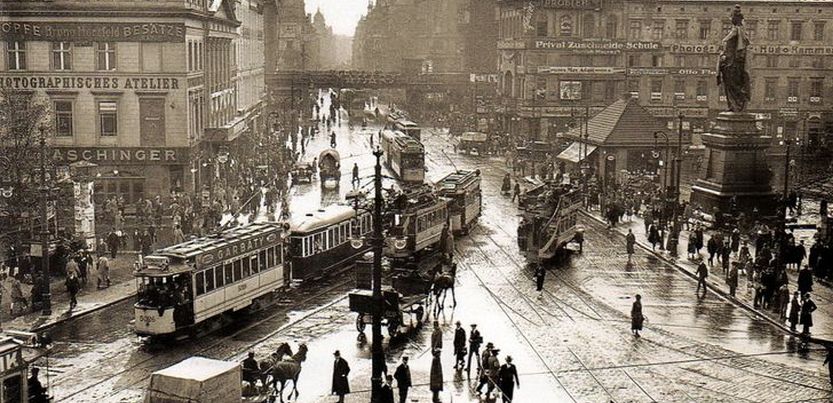 This early story by Vladimir Nabokov is not about places to see in Berlin, but rather the narrator’s observations of some everyday aspects of city life. Through a series of vignettes he describes pipes left on the footpath, the streetcar system, people he sees working on the streets, the city zoo and the pub in which he is drinking with a friend. The major theme is the relationship between time and memory: how some things we experience today will become “future recollections”, and the artist’s duty to record his/her experiences in detail for the benefit of future generations. More…
Henne Fire
 Set in pre-World War 1 Poland, this story by Isaac Bashevis Singer explores how a small Jewish community interacts with a seemingly deranged woman who the narrator describes as not a human being but a fire from Gehenna [hell]. Her abusive behaviour forces her family to flee their home and, in keeping with the biblical analogy, small fires tend to pop up around her wherever she lives. A major theme of the story is community, reflected in the support she receives despite her offensive behaviour and the fire risk to neighbors. Other themes include madness, fear, alcohol abuse, the supernatural. More…
The Garden Party
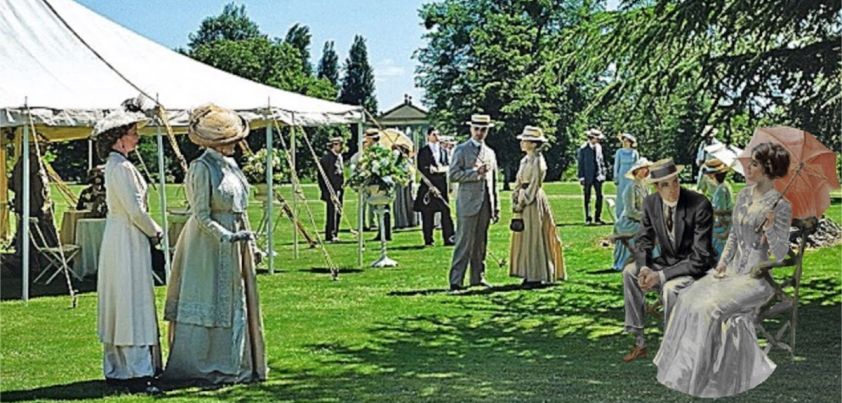 Because of the complex issues raised, this is one of Katherine Mansfield’s most highly acclaimed stories. A wealthy family enjoy an ostentatious garden party in the spacious grounds of their mansion, fully aware that the father of a poverty-stricken family living within hearing distance died in an accident earlier the same day. Only one family member (a teen-aged girl) is sensitive to the poor family’s plight. She visits the house to offer condolences, and experiences an epiphany when unexpectedly ushered in to view the body. Themes include social class (class-consciousness, pretention, insensitivity towards others), poverty, innocence, humanity, coming of age. More…