Thus Were Their Faces
 In this surreal, rather abstract story by Silvina Ocampo, a seemingly confused (or perhaps mentally disturbed) narrator describes the bizarre behavior of children at a boarding school. The students begin to act as if they want to become equal, and increasingly lose their individuality. Seemingly directed by a collective consciousness, they strive to look and act the same and develop a strange fascination with wings. In the “miraculous” climax, we learn that all children attending the school share a common characteristic: it is a school for the deaf! Themes include identity, equality, freedom, the supernatural.
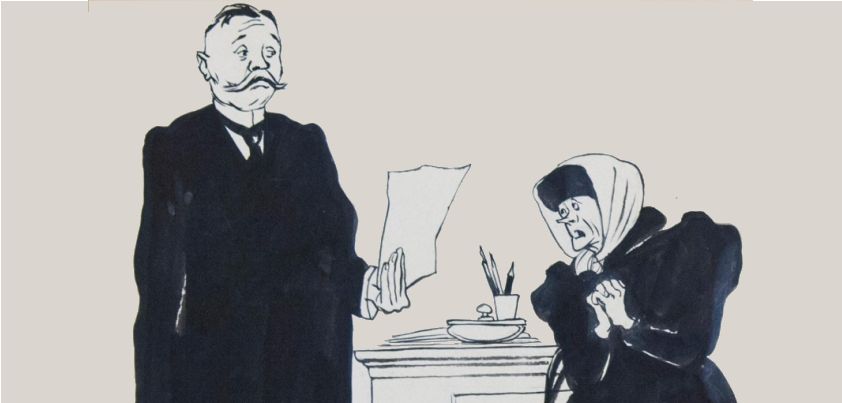 In addition to his tales highlighting serious issues such as poverty, class, death and unfulfilled expectations,
  In this story by
  It is hard to write an introduction to this
 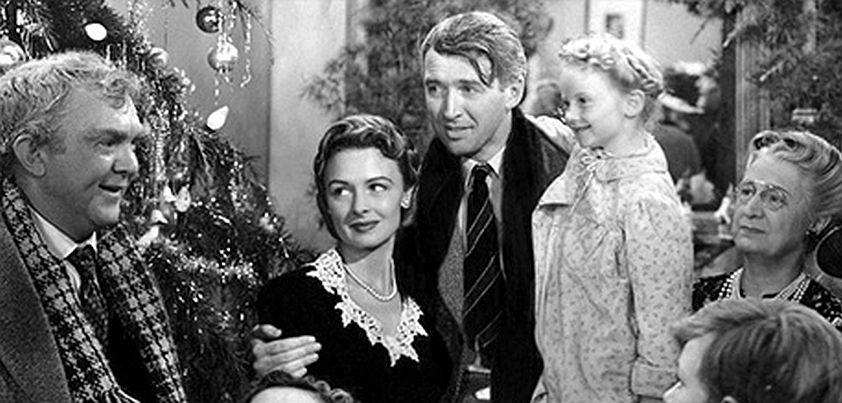 This story by
 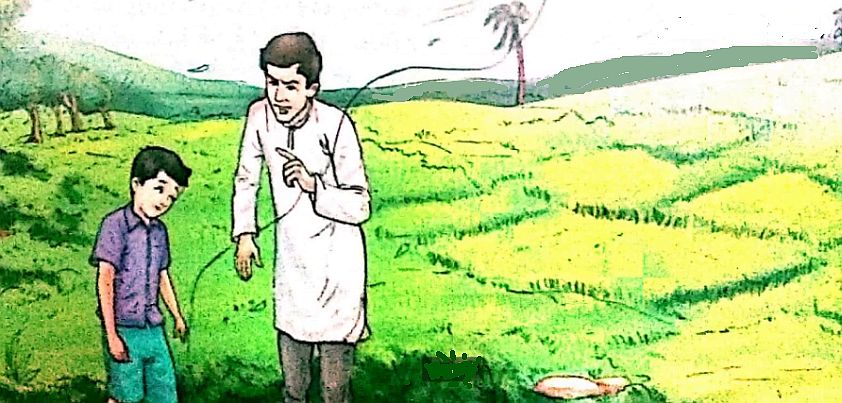 This story by
  In this acclaimed story by
 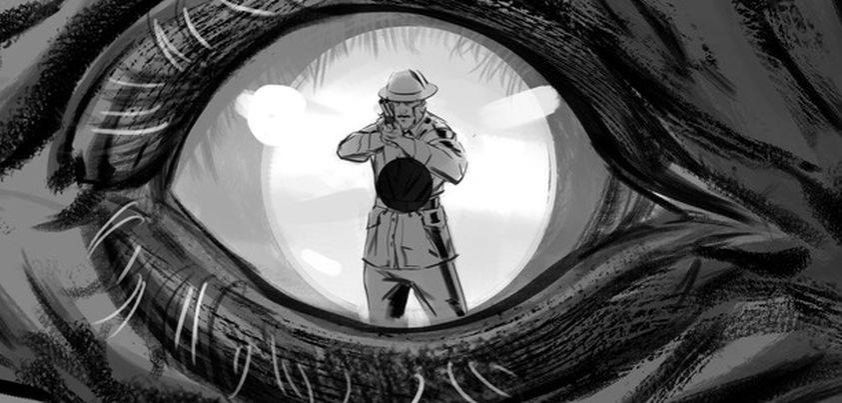 This story by Eric Arthur Blair (aka