Button, Button
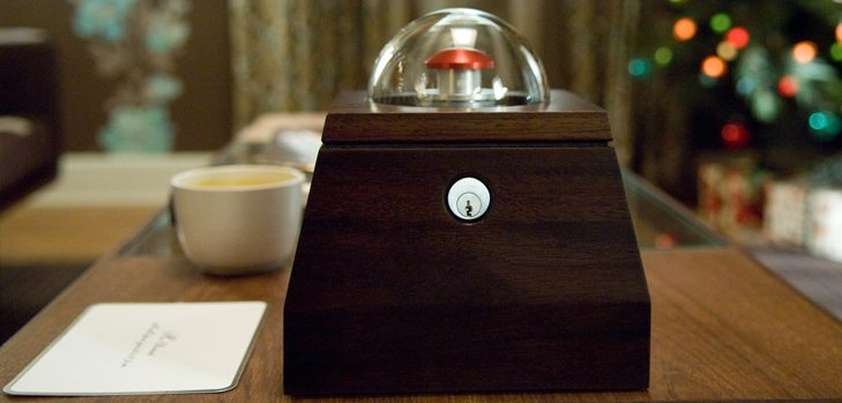 Major themes of of Richard Matheson’s Button, Button are greed and morality. A couple argue over whether to press a button in a mysterious box. Doing so will earn them $50,000, but it will also trigger the death of a stranger. One seems OK with it, provided the victim was someone they couldn’t possibly know. The other disagrees, arguing it would still be a form of murder. Their discussion suggests the story may be an allegory. Pressing a button to launch a missile and dealing in commercial quantities of drugs have one thing in common: the victims are all faceless strangers.

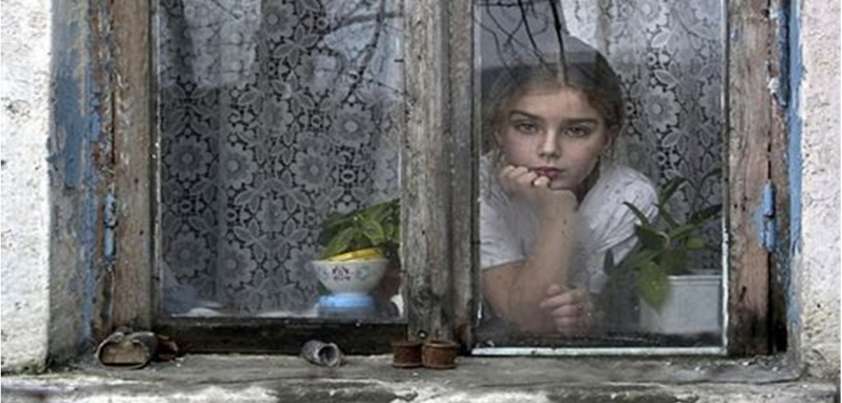 A major theme of
  This story by
  This coming of age story by
  In this story by
 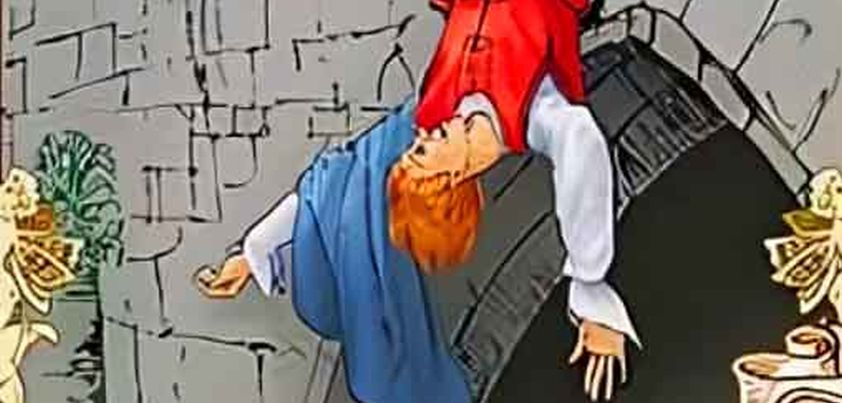 This Irish folktale is about a boy who likes to play tricks on people and wants nothing more than to grow up to be a thief. His mother warns him that if he does become a thief he will be caught one day and hang from the Bridge of Dublin. The boy does some rather terrible things on the way to becoming the most famous thief in the country. Luckily, there is still justice in some folktales and the Shifty Lad is soon lying dead under the Bridge of Dublin… but not for the reason his mother expected.
 The major theme of this