
Astronomer’s Wife
 This story by Kay Boyle explores an empty relationship between a woman and her astronomer husband, and how a brief encounter with a “down to earth” plumber opens her mind to what could be. The astronomer appears more in love with his work than his wife, treating her purely as someone whose role it is to maintain the household order. The plumber, who treats her with respect, communicates freely, and symbolizes the physical world, highlights the dysfunctional nature of her marriage. Themes: control, gender roles, loneliness and lack of fulfilment in marriage, the intellectual vs. physical worlds, epiphany/revelation.
 As anyone who has witnessed an acrimonious divorce knows, sometimes demands over property settlement and custody of children defy logic. This is often because discussions are driven by anger and a desire to hurt or “get back at” the other party as opposed to fairness and what is best for all. In this short story by
  In this acclaimed story by
  This story by
 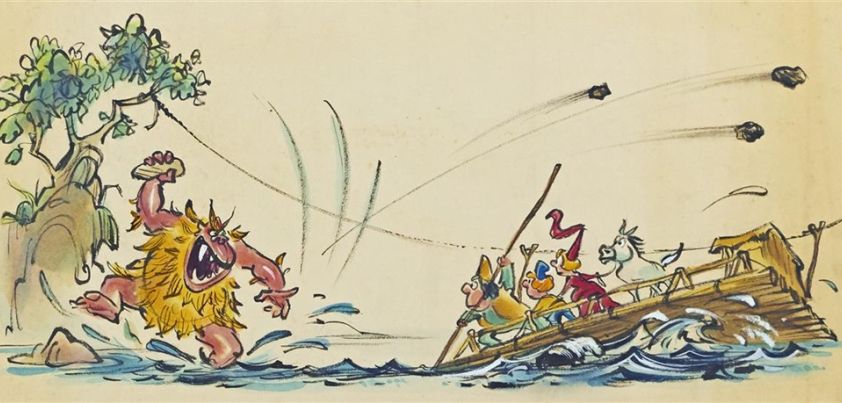 A dying king is told that his only hope for a cure is a magical feather from an ogre known to kill any human it sees. When no one else volunteers to face the creature, one of his most loyal attendants steps forward. The story from here shares elements found in several other European and Eastern folktales: during the journey, he encounters people who request him to ask the ogre for solutions to problems they have been experiencing. Two of the solutions will change his and the ogre’s life. Themes include good vs. evil, loyalty, helping others, courage and bravery.
  The major theme of his story by
 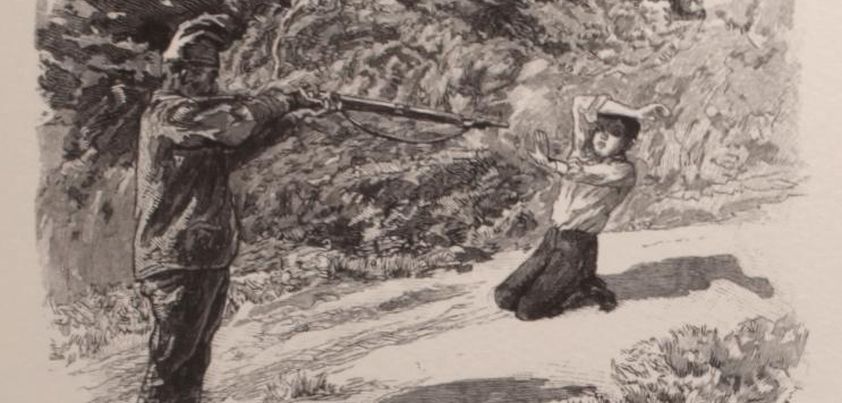 This disturbing tale by
  In this story