Featured Stories

Sardarji

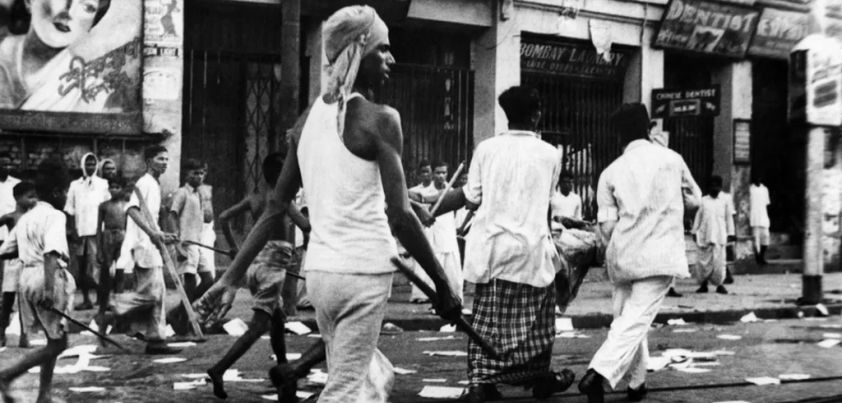
Sardarji: Short story by K. A. AbbasThis story by K. A. Abbas uses satire and irony to highlight the madness and futility of the religious riots that killed and displaced millions during the 1947 Partition of India. The Delhi-bred Muslim protagonist not only vilifies Hindus and Sikhs, but also looks down on the crude rustic Punjabi practitioners of his own faith. Like most bigots, he advances no reason for his hatred other than that the three groups have different accents, appearances and customs. Fate plays a cruel trick as an angry mob comes for him. Themes include religious and racial intolerance, fear, violence, sacrifice.
Continue ReadingSardarji

Names/Nombres

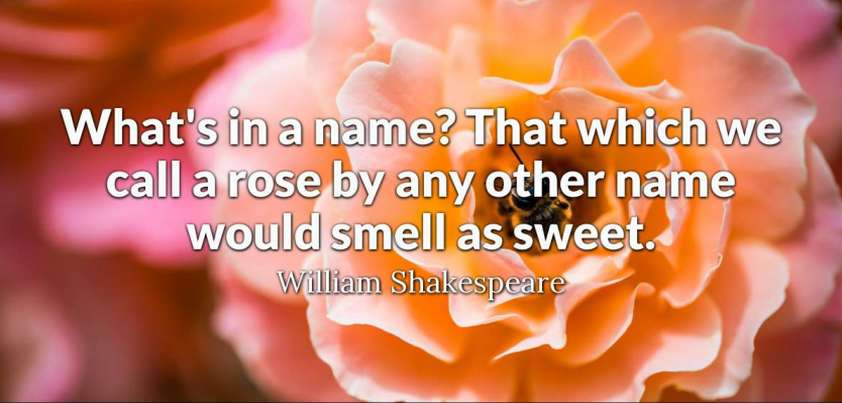
Names/Nombres: Short story by Julia AlvarezThis is a personal essay reflecting incidents in the life of author Julia Alvarez. On the one hand, it examines the important relationship between name and identity in Hispanic culture. On the other, it highlights the desire for migrants, especially children, to ‘fit in’ with an anglicized name that is easily pronounced. Finally, we have her mother’s wisdom in saying that it doesn’t matter, quoting the English idiom A rose by any other name would smell as sweet. In the final paragraph, the girl wonders what name she will go by when she is well-known. We now know the answer!
Continue ReadingNames/Nombres

The Pagan Rabbi

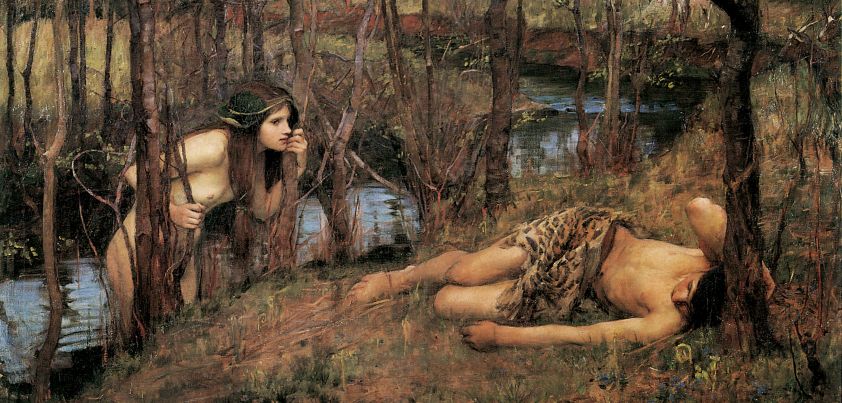
The Pagan Rabbi: Short story by Cynthia OzickThis story from Cynthia Ozick is about a highly respected Jewish scholar who is driven to suicide as he tries to reconcile the strict tenets of his religion with the philosophical (pagan) concept of immortal “free souls” existing in Nature. This so affects the rabbi’s mind that his suicide note refers to several encounters with a dryad (wood nymph). Some of these are sexual, which he clumsily tries to rationalize with: Scripture does not forbid sodomy with the plants! Themes: Jewish identity; marriage and family; friendship; philosophy (search for meaning in Nature); death; sanity/suicide; (lack of) understanding and forgiveness.

Continue ReadingThe Pagan Rabbi

The Daemon Lover

The Daemon Lover: Short story by Shirley JacksonIn this haunting psychological horror story by Shirley Jackson a woman wakes on what was to be her wedding day to realize that: 1) she may have been used and duped by a dapper writer’s promise of marriage; and 2) contrary to social expectations of the day, she may find herself “left on the shelf” at age thirty-four. In her desperatione to find the man she shows signs of mental instability, questioning whether the proposal was real or imagined. Themes include isolation and loneliness, social pressure, manipulation, imagination vs. reality, denial, obsession.

Continue ReadingThe Daemon Lover

The Three-Century Woman

The Three-Century Woman: Short story by Richard PeckIn this humorous story by Richard Peck, a fourteen-year-old girl accompanies her mother and aunt to visit her great-grandmother on her 102nd birthday. Because of the great-grandmother’s “three-century” status (born in 1899, living through the 1900s, and still alive in 2001), her room in the usually quiet nursing home is surrounded by press. Anticipating this, the normally sleepy, forgetful old woman is not only propped up in bed dressed for an interview, but has prepared an elaborate prank to play on them. Themes include playfulness, taking the aged for granted (the aged are more than their memories!), change.

Continue ReadingThe Three-Century Woman

The Werewolf

The Werewolf: Short story by Angela CarterAlthough the beginning of this Angela Carter “wolf tale” resembles the Charles Perrault children’s story Red Riding Hood things soon take a very different turn. A wolf loses a paw, grandma is missing a hand, and the villagers show their bravery by beating the old woman to death. Carter uses foreshadowing and omissions in the storyline to leave readers with a question: Was the grandmother really a witch/were-woman, or was the “good child” one of those northern country people with a cold heart mentioned in the opening sentence?. Themes include female empowerment, self-reliance, courage, betrayal?, superstition, mob violence.

Continue ReadingThe Werewolf

The Comet

The Comet: Short story by Jayant NarlikarIn this story by Jayant Narlikar, an amateur Indian astronomer’s joy in finding an unidentified comet and having it named after him is cut short when a British scientist determines that it is on a collision course with Earth. The world’s leading minds come up with a plan nudge it off course with a rocket loaded with nuclear explosives. As the comet veers away and the experts celebrate, the astronomer’s wife claims that it was Indian tradition, rather than human ingenuity, that saved the day. Themes include discovery, pride, human ingenuity, global cooperation, science vs. superstition, tradition.

Continue ReadingThe Comet

Usher II

Usher II: Short story by Ray BradburyFirst published in 1950 as Carnival of Madness, this story by Ray Bradbury is also included in his anthologies The Martian Chronicles and The Illustrated Man. A wealthy book-lover, angry about destruction of his extensive library because of fantasy and horror story censorship on Earth, builds a look-alike version of Edgar Allan Poe’s House of Usher on Mars. He invites prominent book-banners to a party at the house, where they meet different Poe-inspired ends. Themes include censorship vs. personal freedom, the importance of speculative fiction, the danger of excess political correctness, zealotry (in this case, taking a protest too far!)

Continue ReadingUsher II