Camp Cataract

Camp Cataract: Short story by Jane BowlesThis story from Jane Bowles examines the toxic relationship between three troubled sisters who share a city apartment. One of them is midway through a ten-week holiday in a Camp Cataract cabin as part of a long-term plan to move out and live independently. When another turns up uninvited, hoping to convince her to cut the holiday short, they arrange to meet for lunch the next day. Both have different recollections of what happens the following morning. Madness intervenes, and only one of them survives the day. Themes: self-analysis, identity, independence, mental illness, spinsterhood, female relationships.

Continue ReadingCamp Cataract

The Imp of the Perverse

The Imp of the Perverse: Short story by Edgar Allan PoeLike two of our earlier Edgar Allan Poe tales (The Back Cat and The Tell-Tale Heart), this story involves an unreliable, unhinged narrator facing execution for murder trying to account for his crime. He blames his actions on an agent he claims to be in all of us called the “Imp of the Perverse”. The Imp, he argues, is an urge that drives people to do things they shouldn’t for the simple reason that they know it to be wrong. Ironically, the Imp that drove him to murder also drove him to confess. Themes include perverseness, obsession, madness, self-destruction.

Continue ReadingThe Imp of the Perverse

Death in Venice

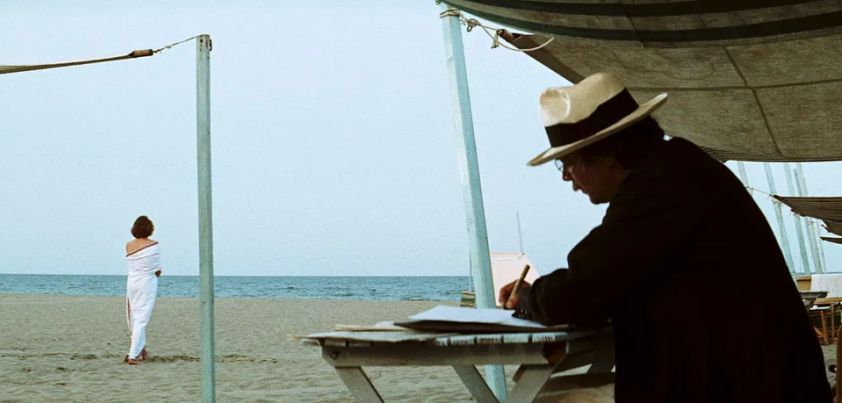
Death in Venice: Novella by Thomas MannThis Thomas Mann classic is renowned for its masterful psychological profile of Aschenbach, a jaded, aging writer who develops an unhealthy infatuation with a fourteen-year-old-boy during a Venetian holiday. Although the novella’s central theme (homosexuality) is no longer controversial, other aspects of the story (pedophilia and stalking) certainly are. Sympathy for Aschenbach is greatly diminished when, out of selfishness, he decides not to warn the holidaying boy’s family about a deadly epidemic being covered up by authorities. Many readers see Aschenbach’s fate as just punishment for his actions. Other themes: art and the artist, alienation, obsession, depravity, death.

Continue ReadingDeath in Venice

The End of the Party

The End of the Party: Short story by Graham GreeneAlthough the 9-year-old twins in this Graham Greene story look the same, they have very different psychological dispositions. The first-born (Peter) is self-confident and has a special connection with his brother. The younger (Francis) has an anxiety disorder that results in unreasoning fear, particularly of the dark. Peter feels what Francis feels, and is fiercely protective of him. Despite their best efforts to avoid it, the two attend a birthday party that will include a game of hide-and-seek in the dark. During the game, a thoughtless act by Peter has tragic results. Themes: innocence, brotherhood, connection, fear, adult insensitivity, death.

Continue ReadingThe End of the Party

The Tell-Tale Heart

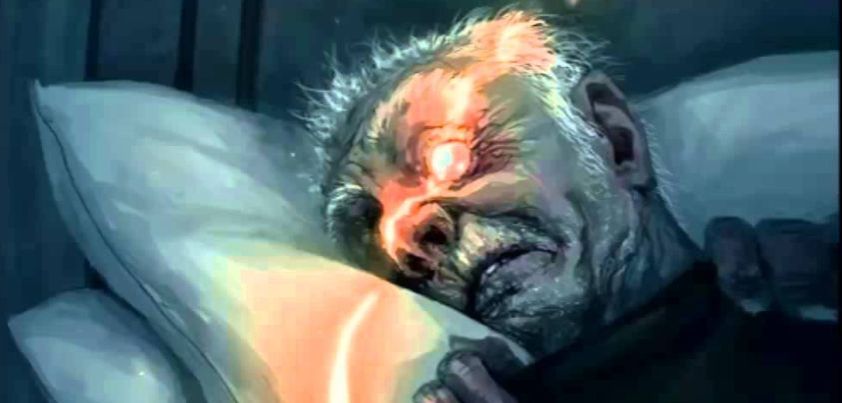
The Tell-tale Heart: Short story by Edgar Allan PoeIn this Gothic horror story by Edgar Allan Poe, the narrator describes how cleverly he or she has planned and carried out the murder of an old man. The only reason given is fear of what is described as the old man’s ‘vulture eye’. The narrator’s purpose in telling the story is to convince the audience that he or she is not mad. There are a number of ironic aspects to the story, perhaps the greatest being that in trying to prove his or her sanity, the narrator clearly demonstrates the opposite. Themes: mental illness, fear, time, guilt vs. innocence.

Continue ReadingThe Tell-Tale Heart

The Beast in the Jungle

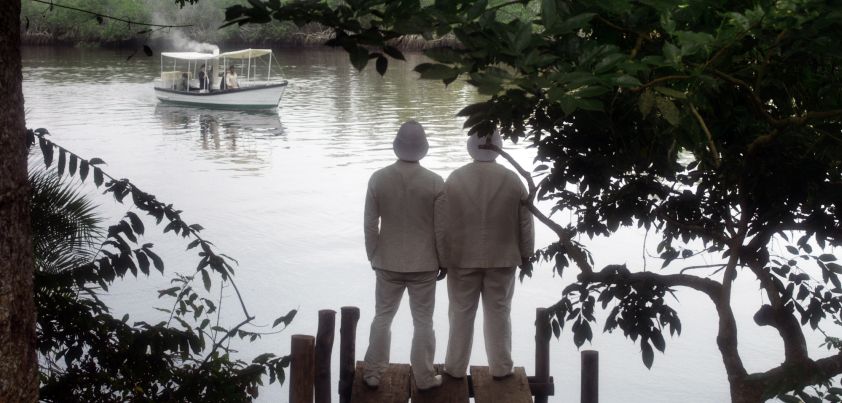
The Beast in the Jungle: Novella by Henry JamesDespite a relatively simple plot and only two main characters, this short novella by Henry James can be hard-going on the first read. A man is obsessed with the feeling that misfortune of some kind will come into his life “like a beast in the jungle”. He shares the premonition with a female acquaintance, who is interested enough to agree to stay close and “watch his back”. In order to build suspense in the lead-up to the story’s heartbreaking conclusion, James shrouds the interactions between the two in confusion and ambiguity. Themes: fate, obsession, connection, insensitivity, suffering, death, guilt.
Continue ReadingThe Beast in the Jungle

An Outpost of Progress

An Outpost of Progress: Short story by Joseph ConradJoseph Conrad’s major theme in this story is the hypocrisy of colonialism. Motivated by greed, the bumbling administrators of a remote African trading post rationalize their activities by talking about the sacredness of the civilizing work, and the merits of those who (go) about bringing light, and faith and commerce to the dark places of the earth. They denigrate the local tribesmen, but make no effort to learn their language or customs. Ironically, being cut off from civilization results in their moral, physical and mental decline to an even lower level of savagery. Themes: colonialism, greed, slavery, isolation, madness.

Continue ReadingAn Outpost of Progress

Old Man at the Bridge

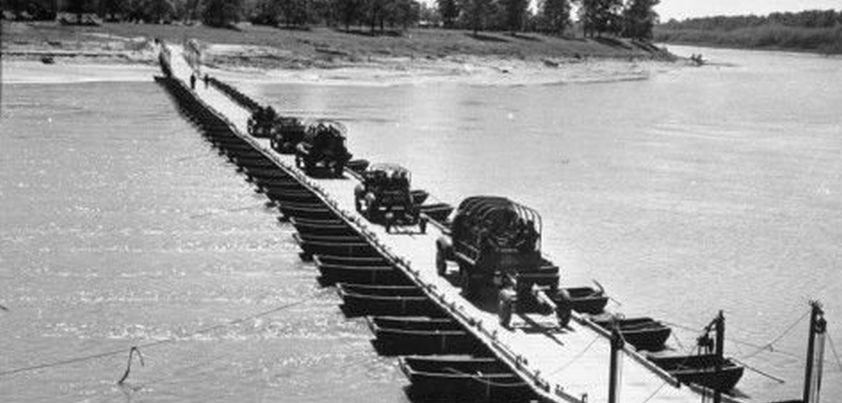
Old Man at the Bridge: Short story by Ernest HemingwayAlthough a war story, the major theme of this vignette by Ernest Hemingway is not the physical horrors of armed conflict, but rather the psychological impact on the lives of those caught up in its wake. An old man has dedicated his life to caring for several pets. Forced to set them free and flee, he now fears for their safety and sits alone on a bridge, having lost the drive to go on. The narrator, a soldier focused on this duty, reluctantly leaves him to his fate. Other themes include alienation, anxiety, guilt and despair, resignation, duty vs. compassion.

Continue ReadingOld Man at the Bridge