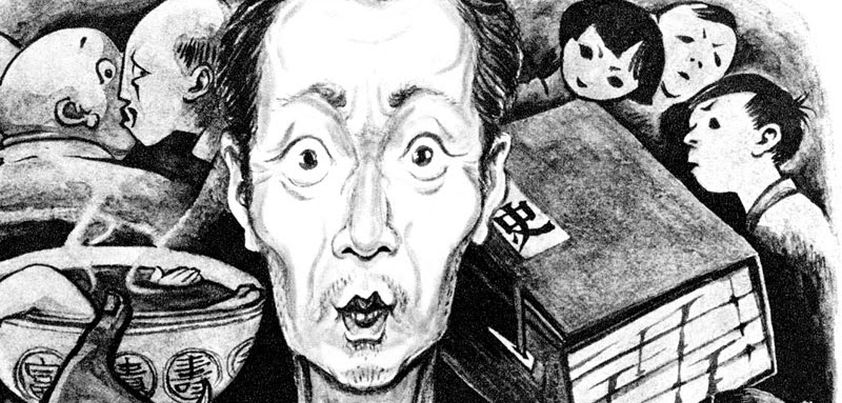
Diary of a Madman

Diary of a Madman: Short story by Lu Xun.Lu Xun‘s diarist suffers from paranoia, stemming from strange looks he thinks he is getting from fellow villagers. On learning of an act of ritual cannibalism in a neighboring village, he concludes that those around him, including his own brother, are planning to make a meal of him. The story has several interpretations. The most common is that it satirizes the outdated Confucian traditions of Chinese feudal society. An opposing view is that it cautions the May Fourth period’s New Culture Movement against indiscriminately overturning (eating) all past traditions. Themes: madness, cannibalism, tradition, betrayal.

Continue ReadingDiary of a Madman

Notes to My Biographer

Notes to My Biographer: Short story by Adam HaslettThe narrator of this dark comedy by Adam Haslett is a mentally ill seventy-three-year-old. The proud, delusional man won’t acknowledge the problem, refuses to take his medication, and is in severe financial difficulty. After a road trip to visit his son Graham, the only family member who will see him, he comes up with an idea for a revolutionary new bicycle that will make both of them rich. Graham, who is secretly battling the same illness as his father, is left shattered by the visit. Themes include mental illness, pride, estrangement, loneliness, obsession, paranoia, sexuality, embarrassment, fear.

Continue ReadingNotes to My Biographer

The Willow Walk

The Willow Walk: Short story by Sinclair LewisIn this story by Sinclair Lewis, twins Jasper and John Holt couldn’t be more different: Jasper, a well-dressed, respectable bank teller and admired member of a community theatre group; John, a disheveled, reclusive religious fanatic and admired member of an obscure religious cult. Yet they are the same person, a skilled actor carrying out an elaborate bank heist. The robbery goes off perfectly… “Jasper” mysteriously disappears, and John, who no one suspects, has the money. All goes well until John’s conscience causes him to descend into madness. Themes include crime, dissimulation, social class, religious zealotry, guilt, madness, atonement, despair.

Continue ReadingThe Willow Walk

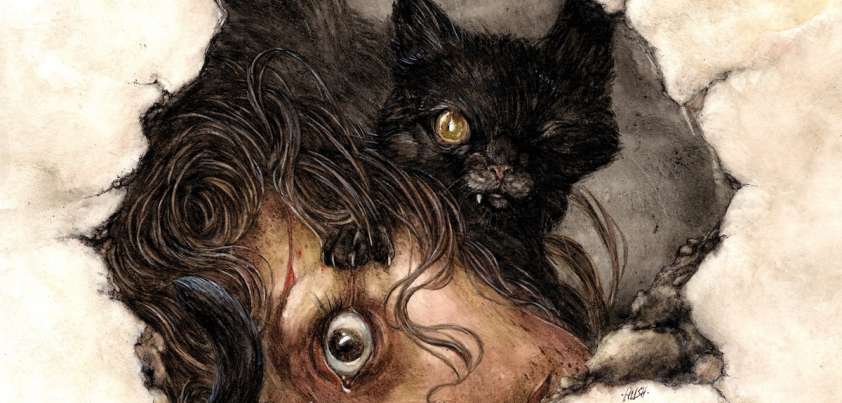
The Black Cat

The Black Cat: Short story by Edgar Allan PoeThe Stephen Kings of the writing world tend to use external, often supernatural forces as their instruments of terror. With Edgar Allan Poe, the horror generally develops from the tortured mind of man. The protagonist here has lost his mind to alcoholism. Like many alcoholics, he becomes violent when in a drunken state. This is initially directed towards family pets. Extreme cruelty to animals can indicate psychopathic tendencies, and this proves true later in the story when he shows no remorse for any of his actions, including the murder of his wife. Themes: alcoholism, mental illness, brutality, death.

Continue ReadingThe Black Cat

The Yellow Wallpaper

The Yellow Wallpaper: Short story by Charlotte Perkins GilmanThis partly autobiographical story by Charlotte Gilman describes the experiences of a creative, imaginative woman suffering from post-natal depression. She follows the then (1890s) generally accepted medical advice to spend her time “resting” in semi-isolation. Gilman skillfully uses the setting to turn an otherwise clinical account of a mental breakdown into a chilling psychological horror story. Although living in a colonial mansion amid idyllic countryside, the poor woman spends most of her time in a prison-like room with creepy wallpaper. Major themes include the fallibility of doctors and our reluctance to question them, mental illness, freedom and self-expression, and gender roles in society.

Continue ReadingThe Yellow Wallpaper

Silent Snow, Secret Snow

Silent Snow, Secret Snow: Short story by Conrad AikenConrad Aiken’s Silent Snow, Secret Snow is a psychological horror fantasy. It begins with a twelve-year-old boy (Paul) imagining overnight snowfalls. This leads to a growing fascination with snow, the thought of which provides relief from the mundane routine of his daily life, the ugliness of the world around him, parent-child conflicts, and awakening sexuality. As the imagined snowfalls increase, Paul begins to lose touch with reality. In the disturbing climax, his boy’s “snow voices” come alive and he completely withdraws into himself as they tell him a story. Major themes: mental illness, concealment, detachment and alienation.

Continue ReadingSilent Snow, Secret Snow

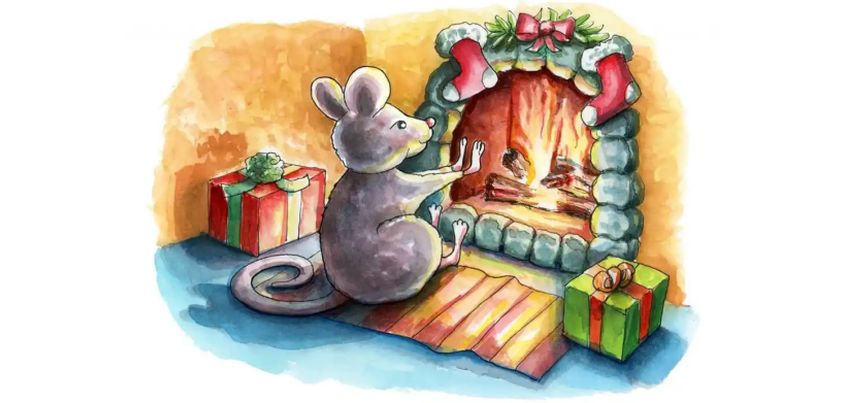
Arabesque: The Mouse

Arabesque: The Mouse: Short story by A. E. CoppardIn this psychological horror story by A. E. Coppard, an idealistic man who has withdrawn from society due to constant rebuff sits alone in a mouse-infested garret. As he watches the antics of a mouse in front of his fireplace, his mind wanders to the death of his mother and loss of the only woman he ever loved. When he comes back to reality, the mouse is sitting before a trap with its forepaws torn off. Association of this with his mother’s grisly death sends him to the brink of madness. Themes include mother-child relationships, loss, depression, despair, shame, insanity.

Continue ReadingArabesque: The Mouse

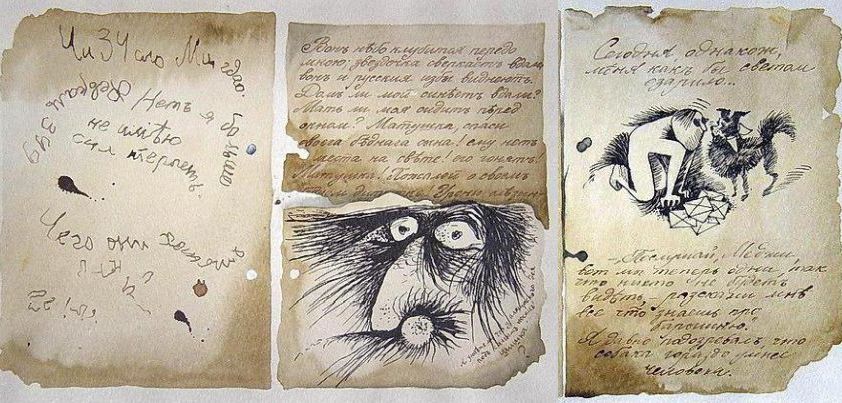
Diary of a Madman

Diary (Memoirs) of a Madman: Short story by Nikolai GogolThis humorous story from Nikolai Gogol charts the descent of a government clerk into insanity. He dismisses his supervisor’s concerns about strange behavior as jealousy, becomes infatuated with his Department Head’s daughter, stalks the poor girl after overhearing a conversation between two dogs, reads their (the dogs’) letters, and finally suffers delusions of grandeur, believing himself to be the King of Spain. In the process, the story satirizes Russia’s bureaucratic wastefulness and obsession with titles and social status. The major theme is, of course, madness. Other themes: purposeless work, alienation, envy, wounded pride, class and (in the asylum) cruelty, suffering.

Continue ReadingDiary of a Madman