Featured Stories

In the Cemetery Where Al Jolson Is Buried

In the Cemetery Where Al Jolson Is Buried: Short story by Amy HempelGiven the subject matter (a woman having difficulty coming to grips with a friend’s terminal illness), one would expect this Amy Hempel story to be a maudlin tale. However, the author’s minimalist style, interspersed with quirky humor, lightens the mood considerably without losing emotional impact. The major theme of the story is fear of death. This leads to avoidance. The protagonist visits her friend only once during her months in hospital. The two evade serious conversation, speaking almost exclusively about trivia and, instead of staying the night as expected, the friend hastens away. Other themes: friendship, abandonment, guilt, grief.

Continue ReadingIn the Cemetery Where Al Jolson Is Buried

The Big True

The Big True: Short story by Dina NayeriThis story by Dina Nayeri explores the circumstances of a once famous Iranian sitar player who, following his wife’s death and his daughter’s graduation from Harvard, chooses the simple life of a drifter. This and his clumsiness with technology causes a rift with his condescending daughter, who can’t even make time to share a coffee when he visits New York. Fortunately, he finds solace with a like-minded Indian immigrant and other residents sharing a YMCA hostel. Themes include the immigrant experience, cultural differences, generational conflict, friendship, father-daughter relationships, search for identity, loneliness, nostalgia, the Internet.

Continue ReadingThe Big True

Mary Postgate

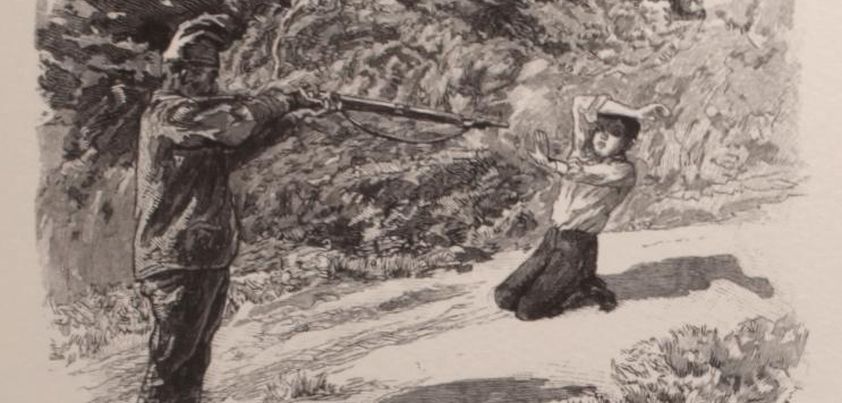
Mary Postgate: Short story by Rudyard KiplingSet in World War 1, Rudyard Kipling‘s Mary Postgate, can be interpreted in a number of ways, each of which suggests a different reason for the unusual reaction of the protagonist (a prim, proper, middle-aged spinster) to watching the slow, painful death of a seriously injured pilot. Her almost orgasmic physical response and subsequent behavior – a luxurious hot bath before tea – indicate that she found it an uplifting experience. This suggests that her bitterness was directed at not only the enemy, but also other aspect(s) of her life. Themes: the brutality of war, repression, loss, anger, revenge, release.

Continue ReadingMary Postgate

Mrs. Dutta Writes a Letter

Mrs. Dutta Writes a Letter: Novelette by Chitra Banerjee DivakaruniThe major theme of this story by Chitra Banerjee Divakaruni is cultural conflict: the problems that can occur when people from countries with highly developed religious and cultural norms (in this case India) immigrate to the West. Widowed Mrs Dutti’s attempts to integrate with her son’s Americanized family cause problems on both sides. Fortunately, she finds the courage to admit she will be much happier back home. Tellingly, as the only Indian family in the neighbourhood, her son and daughter-in-law share her fear of not “fitting in”. Other themes include generational differences, gender roles, family loyalty, pride, courage and happiness.

Continue ReadingMrs. Dutta Writes a Letter

The Address

The Address: Short story by Marga MincoMajor themes of this story by Marga Minco are trust, betrayal, connection, and letting go. A young Jewish woman, the only member of her family to survive World War 2, visits a ‘friend’ of her mother’s with whom she had entrusted family valuables for safekeeping during the war. Her purpose is to ‘see, touch and remember’ the items, and perhaps to reclaim some to decorate her small rented room. The woman initially rebuffs her, and when she later returns and is admitted by the woman’s daughter, she sees her family’s prize possessions displayed and in daily use around the house.

Continue ReadingThe Address

Boule de Suif / Ball of Fat

Boule de Suif / Ball of Fat: Short story by Guy de MaupassantRegarded as one of Guy de Maupassant’s greatest works, this story explores the interactions between a prostitute with the unfortunate nickname Boule de Suif (Ball of Fat) and nine other coach passengers fleeing the Franco-Prussian War. Her fellow travelers comprise a cross-section of “respectable” French society: politics, business, the nobility and religion. Maupassant’s sad message about nineteenth-century France is that no matter what shows of kindness or sacrifices people of the lower classes make, they are unlikely to be treated with respect and dignity by those of higher social standing. Themes: social class, patriotism, manipulation, exploitation, sacrifice/moral compromise, ingratitude, hypocrisy.

Continue ReadingBoule de Suif / Ball of Fat

The People Could Fly

The People Could Fly: Short story by Virginia HamiltonReinterpreted folktales that include events from recorded history play an important part in cultural renewal by helping later generations relate to their heritage. This African-American example from Virginia Hamilton packs a lot into just 1200 words. Its major themes are slavery, cruelty, suffering, Free-dom, and hope. Freedom comes when Toby’s magic words rekindle the forgotten ability of some slaves to fly. For readers not into the supernatural, flying could also be a metaphor for running away or even death. Hope comes in Toby’s call to those left behind to wait for their chance to run.

Continue ReadingThe People Could Fly

Hitting Budapest

Hitting Budapest: Short story by NoViolet BulawayoIn this story by NoViolet Bulawayo six hungry children from an African slum “raid” the guava trees of a rich neighborhood. Aged eight to eleven, one of them (a ten-year-old) is pregnant to her grandfather. As they return home they discuss their dreams and aspirations, with one making the grim prediction that one day they will move to bigger things inside the houses. Close to home they find a woman’s body hanging from a tree. Before reporting it, they remove her shoes to sell for a loaf of bread. Themes include social inequality, poverty, dehumanization, friendship, freedom, childhood innocence.

Continue ReadingHitting Budapest