The End of the Party

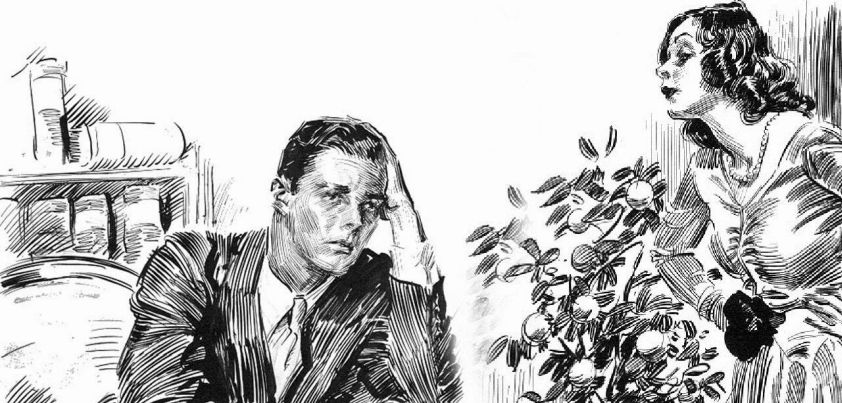
The End of the Party: Short story by Graham GreeneAlthough the 9-year-old twins in this Graham Greene story look the same, they have very different psychological dispositions. The first-born (Peter) is self-confident and has a special connection with his brother. The younger (Francis) has an anxiety disorder that results in unreasoning fear, particularly of the dark. Peter feels what Francis feels, and is fiercely protective of him. Despite their best efforts to avoid it, the two attend a birthday party that will include a game of hide-and-seek in the dark. During the game, a thoughtless act by Peter has tragic results. Themes: innocence, brotherhood, connection, fear, adult insensitivity, death.

Continue ReadingThe End of the Party

The Red Bow

The Red Bow: Short story by George SaundersThis dystopian story from George Saunders is often referred to as a metaphor for the post 9-11 Afghan and Iraq Wars. It is also an allegory of a much older, far-reaching problem: ethnic cleansing. A small group of dogs (people) is seen as a direct threat and are eliminated. After this, paranoia sets in. All dogs and cats (minority groups) become suspect and must also be removed. The dictatorial rise of Uncle Max by exploiting fear of the perceived “enemy” is also symbolic of the way many world leaders have come to power. Themes: tragedy, grief, paranoia, protection, authoritarianism.

Continue ReadingThe Red Bow

Parker’s Back

Parker's Back: Short story by Flannery O'ConnorLike many Flannery O’Connor stories, the main theme of Parker’s Back is man’s struggle against religion. The main character here is a simple minded, poorly educated farm worker. He is selfish, doesn’t believe in God, and says he hates his wife. His one love is tattoos, which he believes express his manhood. Through his last tattoo, he finds grace. Unfortunately, his fundamentalist wife spoils the experience. In doing so, she may well have ruined both of their lives. Other themes: identity, connection (with the tattooed man), dissatisfaction, alcoholism, religious awakening, grace, religious bigotry.

Continue ReadingParker’s Back

Amnesty

Amnesty: Short story by Octavia E. ButlerIn this story by Octavia Butler, Earth’s economy collapses following the arrival of an advanced alien race that settles in the world’s deserts. A reluctant co-existence develops when it becomes clear that the aliens cannot be destroyed. The protagonist, kidnapped by the aliens at age eleven and subjected to cruel experiments, is now an Interpreter for one of their “communities”. Her current mission: to “calm” and prepare six recruits for well-paid positions translating for other communities. Although they need the job, the applicants are full of anger and hostility towards the aliens. Themes: fear, ignorance, social experimentation, torture, hatred, détente.

Continue ReadingAmnesty

The Flying Machine

The Flying Machine: Short story by Ray BradburyIn this story by Ray Bradbury, a Chinese Emperor learns that one of his subjects has invented a “flying machine”. Thinking that the invention could be used against him if the “technology” fell into the wrong hands, he has the man executed, the kite destroyed, and the whole episode hushed up. Written shortly after the end of World War II, by which time the Soviets had already replicated America’s atomic bomb, the story could be considered a parable warning of the risk of developing weapons of mass destruction. Themes include the potential danger of technology, fear of progress, shortsightedness, selfishness/control.

Continue ReadingThe Flying Machine

Last Day at School

Last Day at School: Short story by Giovanni MoscaThis very short story describes the feelings of a teacher on the last day of a school year. It is clear from the story that the teacher cares greatly for his students. Grades have been sent home and the long holiday is about to begin. For the teacher, it is an especially memorable day. As well as being the end of the school year, he is leaving teaching and moving on to a different career. Last Day at School was written by Italian teacher-turned-journalist Giovanni Mosca, and presumably talks about his own feelings on leaving teaching in 1936.

Continue ReadingLast Day at School

The Gift of the Magi

Gift of the Magi: Short story by O. HenryHave you ever thought long and hard about what would be the prefect Christmas gift for someone you love? This story by O. Henry is one of the most famous Christmas stories of all time. It tells how a poor couple each sell their most valuable possession in order to buy a Christmas present that they feel is good enough for the one they love. The irony is that neither can use the precious gift the other has bought them. Themes (see analysis) include love, sacrifice, wisdom, beauty, generosity, and value.

Continue ReadingThe Gift of the Magi

The Circuit

The Circuit: Short story by Francisco JiménezThis is a chapter from the The Circuit: Stories from the Life of a Migrant Child, a collection of autobiographical short stories by Francisco Jiménez. The title refers to the way many migrant laborers move from place to place over a year in search of seasonal farm work. For the children of this close-knit family, this means poor living conditions, never being in one place long enough to have permanent friends, working in the fields when old enough, and limited opportunities to attend school. Themes include family, poverty, perseverance, impermanence, loneliness, language and communication, child labor, lack of educational opportunities.

Continue ReadingThe Circuit

Ripe Figs

Ripe Figs: Flash story by Kate ChopinThis flash story by Kate Chopin packs several themes into less than 300 words. The most obvious are the different perspectives on the marking and passage of time. Maman-Nainaine is close to the land and marks events by natural cycles as opposed to the calendar. For her, like many older people, the weeks and months pass quickly. For Babette, thanks to the impatience of youth, time seems to move slowly when looking forward to something. The symbolism of ripening figs (representing the maturing of Babette into womanhood) and chrysanthemums (the “death flower” in Creole culture) indicate other possible themes.

Continue ReadingRipe Figs

Camp Cataract

Camp Cataract: Short story by Jane BowlesThis story from Jane Bowles examines the toxic relationship between three troubled sisters who share a city apartment. One of them is midway through a ten-week holiday in a Camp Cataract cabin as part of a long-term plan to move out and live independently. When another turns up uninvited, hoping to convince her to cut the holiday short, they arrange to meet for lunch the next day. Both have different recollections of what happens the following morning. Madness intervenes, and only one of them survives the day. Themes: self-analysis, identity, independence, mental illness, spinsterhood, female relationships.

Continue ReadingCamp Cataract