Lakshmi’s Adventure
 This story from Manoj Das contrasts the innocence of a six-year-old girl with the intolerance of her village priest and the hypocrisy of corrupt temple officials. After dreaming that her deity spoke to her, the girl sneaks into the temple and has a wide-ranging “discussion” with him, including his problems (hearing and too many bananas), hers (arithmetic), and her family’s (an aggressive money-lender). On leaving with two bananas from his shrine, she is chased by an angry mob into a pond in which she catches a fatal fever. Themes include innocence, faith, family, poverty, righteous indignation, guilt and remorse.
 In addition to its themes of love, trust, family and perception, this
  These two light-hearted comedies from
  In this story by
  The major theme of this story by
  Although written almost a hundred years ago, this seemingly timeless adventure story from
  Major themes of this
 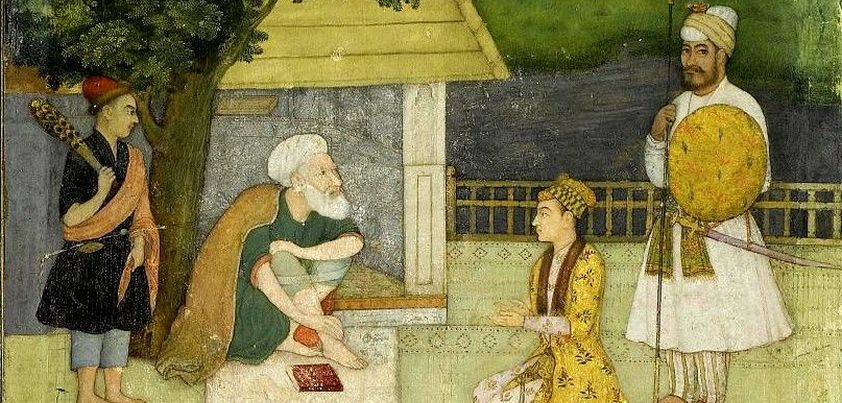 The moral of this Indian folktale appears to be that evil will always receive the punishment it deserves. We have a famed holy man who turns out to be not very holy after all, a selfish, gullible rajah who wants to keep the holy man’s talents and blessings all for himself, and an overly curious princess who disobeys her father’s order not to leave the palace grounds. We aren’t told much about the “gallant young prince of Dilaram” but he, too, must have done something wrong to be punished with the disobedient princess as a wife.