
The Duchess and the Jeweller
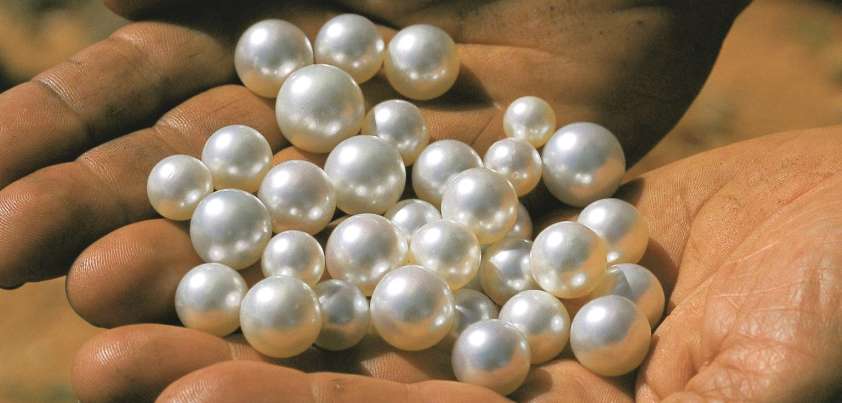 This story by Virginia Woolf reflects the period in which the moral decadence of British aristocracy led to its loss of respect among the people and the rising influence of newly rich commoners. It also shows how both groups could be equally ruthless in achieving their goals. The Duchess represents the aristocracy, corruptly trying to sell a fake set of pearls by taking advantage of the Jeweller’s interest in her daughter. The Jeweller represents the newly rich, craving social acceptance and willing to waste £20,000 buying fake pearls to achieve it. Themes include greed, vanity, social class, appearance, deception, racism.
 This story by
  This excerpt from
 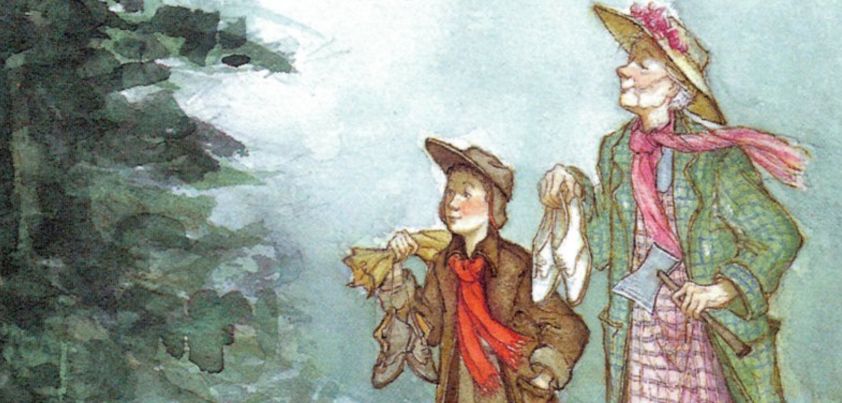 This sentimental Christmas story from
  This story by
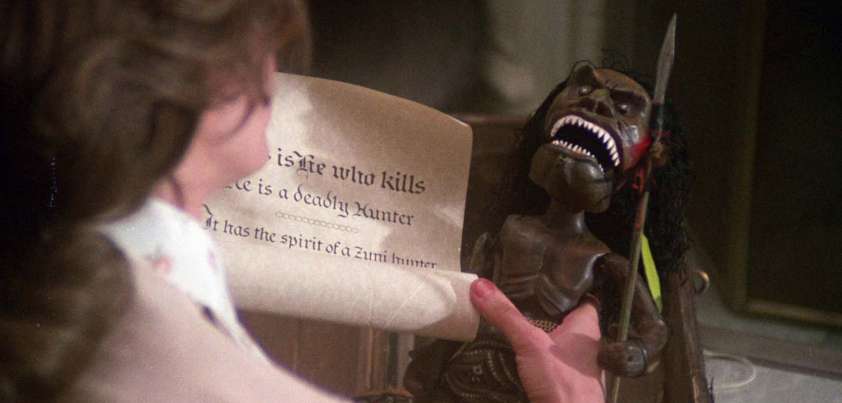 In this story by
 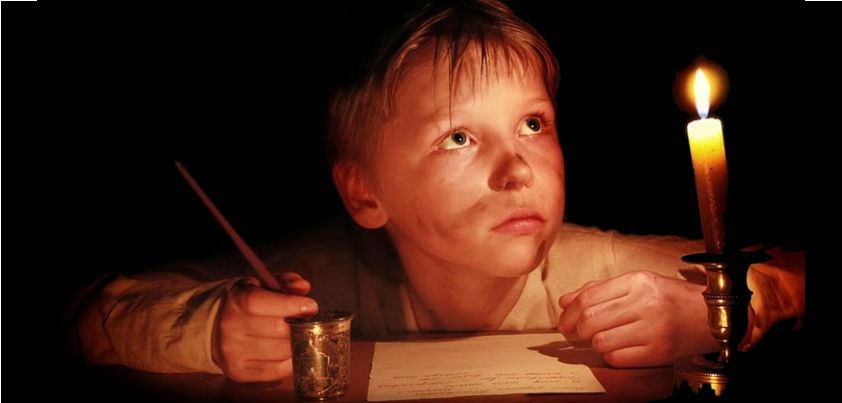 This poignant Christmas story by