
The Refugee
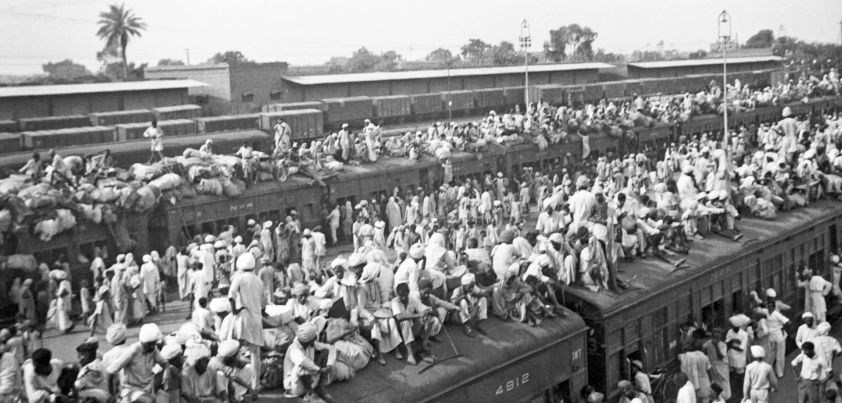 This story by K. A. Abbas deals with the social upheaval caused by the 1947 Partition of India. Told from the perspective of an elderly Sikh woman, it compares the community spirit and religious tolerance that existed before Partition with the hatred, bloodshed and displacement of Sikh and Hindu families that occurred afterwards. The compassionate, once wealthy protagonist, who lost everything when forced to flee Rawalpindi, demonstrates neither bitterness nor self-pity. However, she still sheds a tear for the “soft” memories like ripe apricots and fragrant baggoogoshas… Themes include brotherhood and inclusiveness vs. religious hostility, alienation, suffering, identity, resilience.
 The major lesson of this story from
  The protagonist in this story by
  The major themes of this children’s story from
 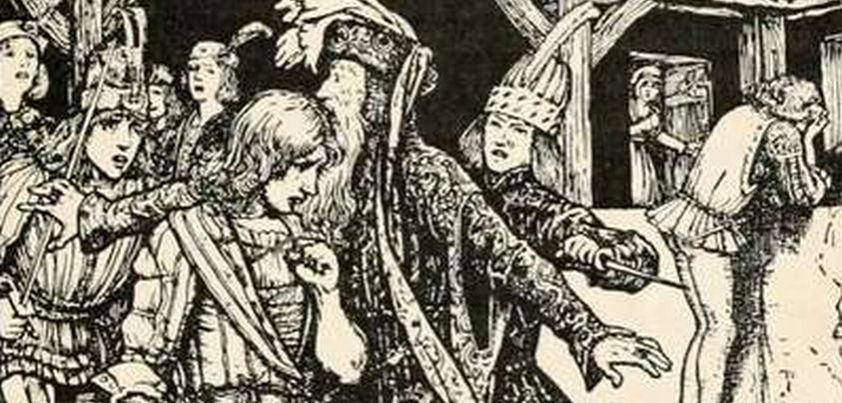 This Portuguese folktale begins with a king learning about an argument between his son and a young nobleman on a tennis court. The prince spoke rudely to the noble, who lost his temper and hit him. Although the king is angrier with his son for not fighting back than the noble, hitting the prince is punishable by death. The only way the noble can save himself is to marry a very ugly, very old woman. As is often the case in folktales, there is a lot of magic around and some surprises are on the way for all involved.
  This story by
  In this story by
  Today we are bringing you The Monkey’s Paw by