
Old Love
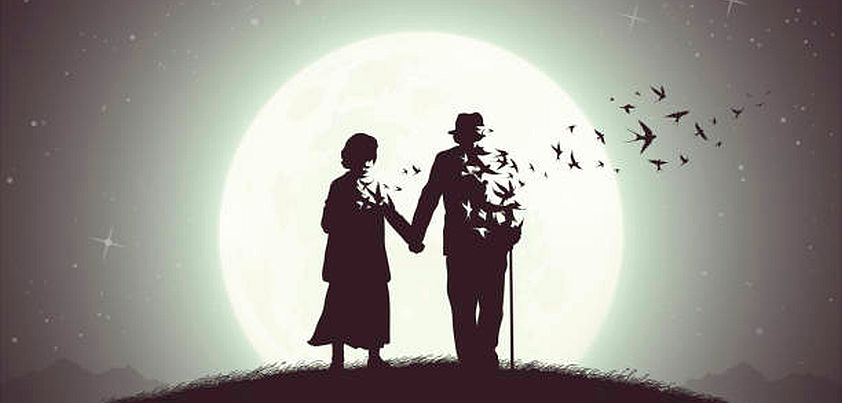 In this story by Jeffrey Archer, a couple go from rivalry-inspired hatred at first sight to literally being unable to live without each other. From the time they meet as Oxford undergraduates in the 1930s, a fierce sense of competition between the gifted pair spurs them on to topping their class, attaining coveted professorships, and earning royal honours. After tragedy brings them together, the caustic relationship morphs into a life-long love affair during which legend has it they were never apart for more than a few hours. Themes include competiveness, lasting love, literature and the arts, dedication, achievement.
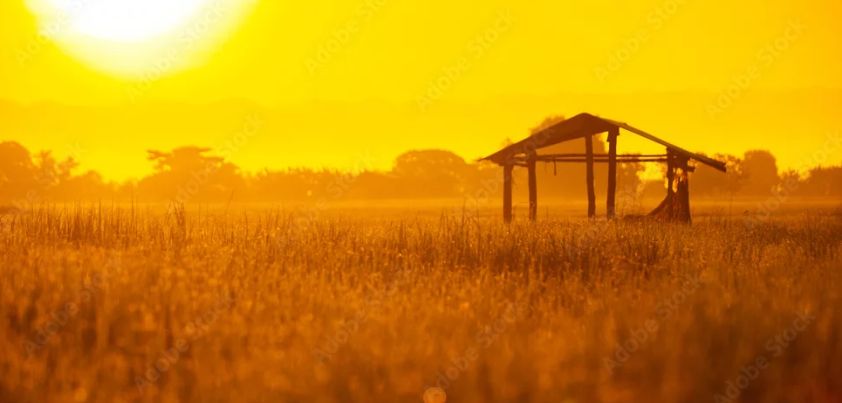 In this story by Witthayakon Chiangkun, a busload of enthusiastic Bangkok college students descend upon an isolated, poverty-stricken rice farming village as part of a 1960s national community development program. Despite their best efforts, differences in speech, dress and perceived social class make integration difficult. They have been sent during their school vacation to build a Community Hall, something the contented villagers neither asked for or need. Apart from the narrator, a young teen, the Hall’s only users are water-buffaloes seeking shelter from the sun. Themes include identity, innocence, city vs. country cultural divide, politicization, benevolence, bureaucratic disconnection.
  In this story,
  In this
  In this parable by
  Last year (2020)
  This story by
  This is one of the best-known stories by Australian poet and writer,