Featured Stories

God Sees the Truth, But Waits
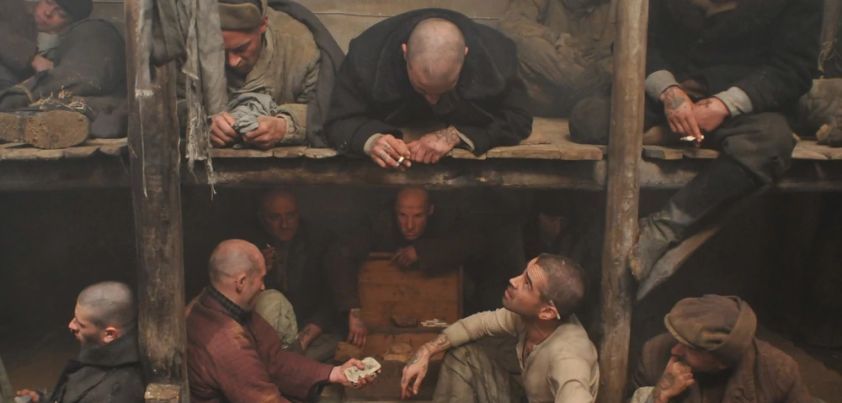
God Sees the Truth, But Waits: Short story by Leo TolstoyThis is one of Leo Tolstoy’s earlier short stories, published between his two epic novels War and Peace and Anna Karenina, and thirteen years before What Men Live By. It has themes of injustice, acceptance, forgiveness and redemption. The protagonist suffers a dramatic fall in worldly terms, which is more than matched by his growth in spiritual grace. The plot was not new. It is a re-working of an almost identical tale from War and Peace related by peasant character Platon Karataev. The novel was written for the Russian nobility; this version was targeted at its common people.
Continue ReadingGod Sees the Truth, But Waits

The Ones Who Walk Away From Omelas

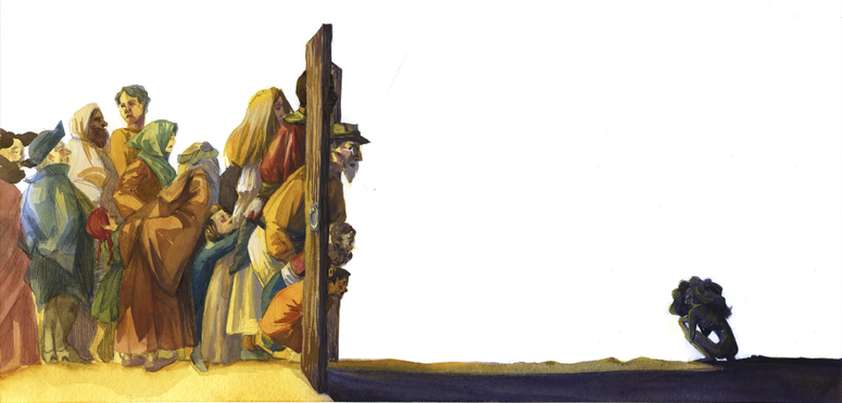
The Ones Who Walk Away From Omelas: Short story by Ursula Le GuinThis philosophical narrative by Ursula Le Guin describes life in the seemingly utopian city of Omelas. We learn that almost everyone in the city lives in complete happiness. There is no organized system of rule, few laws, sexual freedom, no crime, no violence, and nobody living in want. Sadly, there is a blight on this “paradise”. For happiness to prevail, a single child must live in absolute misery, locked up alone in an underground cell. Themes: morality and moral compromise (the price of happiness), victimization, complicity (collective knowledge = shared responsibility), guilt, courage (the ones who “walk away”).

Continue ReadingThe Ones Who Walk Away From Omelas

The Sentimentalists

The Sentimentalists: Short story by Morley CallaghanIn this story by Morley Callaghan two young men, one a law student, are shopping in a department store when they notice a store detective watching three women at the stocking counter. There was a stout, well-dressed older woman, a lanky schoolgirl, and a demure “girl next door” type. They bet on which one the detective is watching and, after two move away, the lawyer moves in and saves the guilty party. Unfortunately, all he gets for his trouble is a kick in the shins. Themes include petty crime, stereotyping, desperation, hope, insensitivity, betrayal.

Continue ReadingThe Sentimentalists

Crazy Sunday

Crazy Sunday: Short story by F. Scott FitzgeraldThis partly autobiographical story from F. Scott Fitzgerald deals with the relationships between an up-and-coming Hollywood screenwriter (Joel), a powerful movie director (Miles), and the director’s wife (Stella). All three suffer major insecurity issues thanks to Hollywood’s toxic, highly competitive culture. Miles is a troubled adulterer; he and Stella look upon Joel as a friend/confidante; Joel has much stronger feelings for Stella. Unfortunately (or fortunately depending how you look at it), Miles dies before the seemingly inevitable marriage bust-up, and the future of Joel and Stella is left up in the air. Themes include insecurity, jealousy, appearances, romance, infidelity.

Continue ReadingCrazy Sunday

The Smoothest Way Is Full of Stones

The Smoothest Way Is Full of Stones: Novelette by Julie OrringerThis story by Julie Orringer explores aspects of life and growing up in an American Orthodox Jewish community. Due to her mother’s illness, a teenage Jewish girl raised in a secular environment spends her school holidays living in the Orthodox community of an aunt. Despite community concern that she may be a bad influence on her cousins, she adjusts well to the Orthodox way of life. It is her rebellious, similar-aged cousin, beginning to explore her sexuality, who breaks the community’s strict behavioral rules. Themes include family, protectiveness and distrust, secular vs. Orthodox lifestyles, spiritual awakening, and emerging sexuality.

Continue ReadingThe Smoothest Way Is Full of Stones

The Rocking-Horse Winner

The Rocking-horse Winner: Short story by D. H. LawrenceThis tragic story by D. H. Lawrence is about a boy whose parents seem more interested in their social position than their children. The only adults who have time for the boy are an uncle and the family’s young gardener, both of whom are passionate followers of horseracing. The boy desperately wants his mother’s love and approval. As she is constantly complaining about not having enough money, he comes up with an unusual approach to winning some that costs his life. Themes include family/parental responsibility, materialism and appearances, greed, selfishness, “luck” vs. hard work.

Continue ReadingThe Rocking-Horse Winner

The Elevator

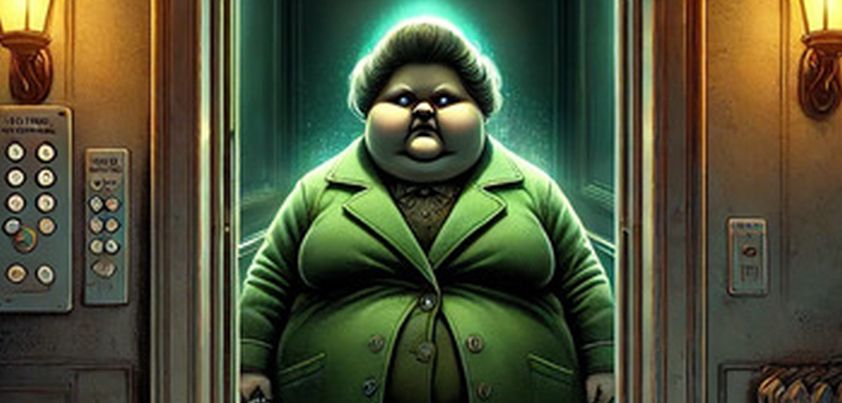
The Elevator: Short story by William SleatorIn this story by William Sleator, a timid twelve-year-old who is bullied at school and ridiculed by his father for his weakness faces two fears alone. Always uncomfortable in elevators, his first challenge is the old, creaky three-person elevator in the apartment block they have just moved into. His second fear is a fat woman with a piggish look who stares at him uncomfortably when they meet in the elevator and seems to be stalking him. The latter fear appears justified. Themes include agoraphobia (fear of being trapped), paranoia, facing one’s fears, parental insensitivity.

Continue ReadingThe Elevator

Weight

Weight: Short story by John Edgar WidemanIn this story by John Edgar Wideman, a writer calls his mother and reads her a draft of a story he has written. It opens with the metaphor My mother is a weightlifter, and goes on to admire the way she has shouldered so many burdens throughout her life. She is not impressed. Two days later, she dies. As he reflects on the call he realizes it wasn’t the story that upset her, but his opening words: This is about a man scared he won’t survive his mother’s passing. Themes include motherhood, love, racial inequality, suffering, strength, dependence, grief, fear.

Continue ReadingWeight