The Golden Kite, the Silver Wind

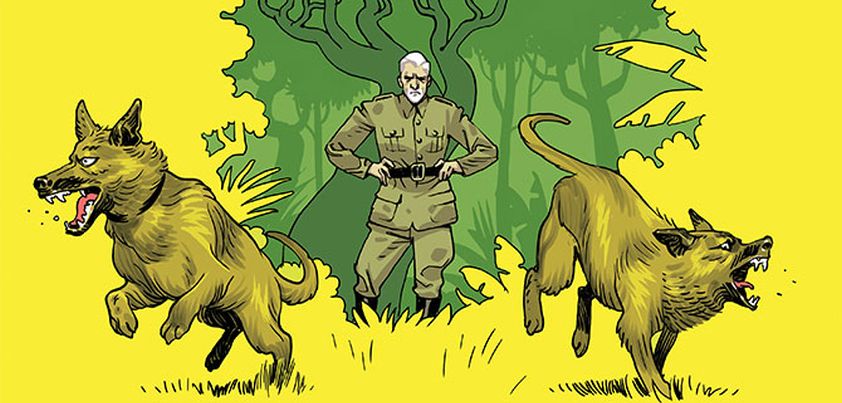
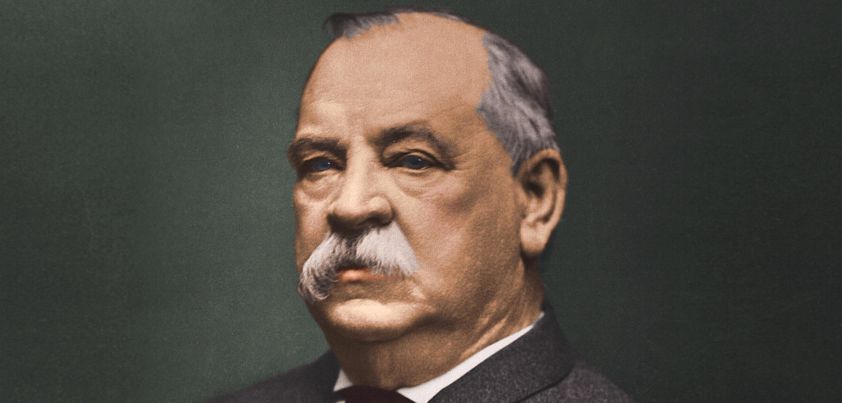
The Golden Kite, the Silver Wind: Short story by Ray BradburyThis Ray Bradbury story is thought to be an allegory of the nuclear arms race that took place during the “Cold War” between the United States and Russia. The “Mandarins” who began the Cold War were Harry S. Truman and Joseph Stalin. One wonders if the first Mandarin’s daughter alludes to Truman’s wife Bess, who he claims to have consulted before every important decision. Moreover, Bess is known to have made changes to his famous speech outlining the Truman Doctrine, which started it all. Themes include rivalry, paranoia, wisdom, the futility of confrontation and escalation vs. the benefits of cooperation.

Continue ReadingThe Golden Kite, the Silver Wind

Cat in the Rain

Cat in the Rain: Short story by Ernest HemingwayOn the surface, this story by Ernest Hemingway is a simple tale about a couple spending a rainy afternoon in a hotel room during an Italian holiday. The woman feels pity for a cat trying to stay dry under an outside table. Readers often interpret this as a symbol of the woman feeling trapped in an empty relationship. Possible causes include a lack of mutual love and respect, incompatibility, and the woman’s childishness and greed. Themes include the aftermath of war, kindness, communication breakdown, isolation and loneliness, boredom and disappointment, gender roles and femininity, dissatisfaction and unfulfilled desires.

Continue ReadingCat in the Rain

Thank You, M’am

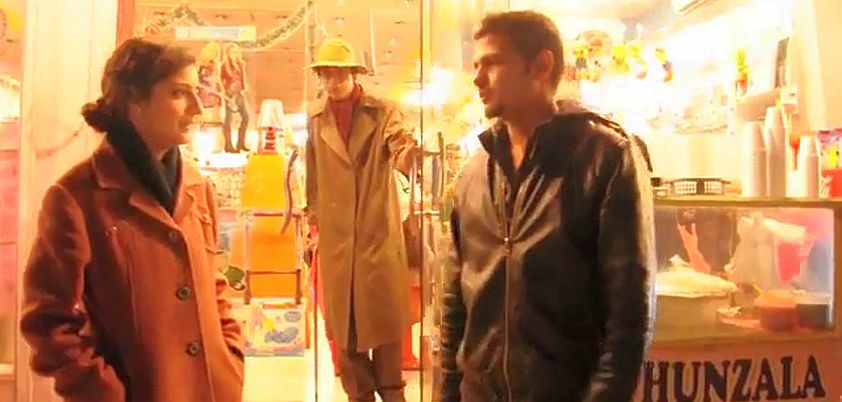
Thank You, M'am: Short story by Langston HughesThis 1950s story from Langston Hughes has messages for both young and old. A teenage thief (Roger) learns that in addition to it being wrong to try to get things “the easy way”, sometimes the person you target is a kindly soul who can ill afford it. Mrs Jones knows what it is like to grow up poor. Instead of handing Roger over to the police, she tries to help him. Sadly, one suspects that her actions (taking the lad home for a meal and friendly chat) would not be safe in today’s world. Themes: crime, forgiveness, understanding, trust, kindness.

Continue ReadingThank You, M’am

Testimony of Pilot

Testimony of Pilot: Novelette by Barry HannahThis powerful story by Barry Hannah follows the journey of a boy and several companions from youthful pranks to high school band competitions, musical success, fulfilling careers and, in two cases, premature death. Set between the mid-1950s and the late-1960s, the story highlights several aspects of the American South’s small-town culture of the day: family wholesomeness, racial segregation, the sexual revolution, the rise of rock and roll, and the Vietnam War. Themes include the transformative power of music, friendship and rivalry, sexuality, gender roles, misogyny, racism, isolation, patriotism, and social change.

Continue ReadingTestimony of Pilot

The Mystery of the Missing Cap

The Mystery of the Missing Cap: Short story by Manoj DasIt is evident from Babu Virkishore’s absurd ministerial title that this Manoj Das story is a political satire. The comment about the cap’s disappearance being a deep-rooted conspiracy with possible devastating political effects suggests that it is a “Nehru topi” (pictured above). The main themes, comically highlighted when Jhandoo the monkey tries on the cap and then hands it back to the bemused Minister are: 1) many officials of the day weren’t ready to govern; and 2) the general population was too poorly educated and reverent towards those in power to see this. Other themes: innocence, elitism, hubris, honesty, disillusionment.

Continue ReadingThe Mystery of the Missing Cap

Johnny Mnemonic

Johnny Mnemonic: Short story by William GibsonThe protagonist in this pioneering cyberpunk story by William Gibson is a data courier. To escape a Yakuza assassin, he must decode a message in a secure storage device implanted in his brain. When the client who holds the password is killed, he turns to razor-fingered Molly Millions, Jones the dolphin, and the “Lo Teks”, Molly’s anti-technology friends, for help. The major theme, given that every major character has some kind of bionic enhancement, is identity (how technology can blur the line between man and machine). Other themes: body augmentation, corporate power, organized crime.

Continue ReadingJohnny Mnemonic

The Enormous Radio

The Enormous Radio: Short story by John CheeverLike many John Cheever stories, the major themes of The Enormous Radio are appearances vs. reality and the myth of urban bliss. Other themes include eavesdropping, obsession, secrecy, smugness, self-delusion and hypocrisy. A seemingly contented couple’s life changes when a malfunctioning radio begins to pick up conversations from people in surrounding apartments. The woman becomes obsessed with listening in and, after learning her neighbors’ secrets about affairs, marital and financial problems, etc., begins to look down on them. This feeling of superiority is soon dashed when her husband points out some unsavory aspects of her own past.

Continue ReadingThe Enormous Radio

The Fall of Edward Barnard

The Fall of Edward Barnard: Short story by W. Somerset MaughamAlthough ostensibly themed around a clash of cultures (East vs. West), this story from W. Somerset Maugham is also about alternative lifestyles (materialistic vs. minimalist). Through extensive use of irony, the story contrasts the lust for money, power and status of American industrialists and socialites with the Tahitian way of living in harmony with nature. In presenting the contrast, the story implies that although the environment a person grows up in shapes their values and beliefs, a change of surroundings can drastically alter them. Other themes: friendship, loyalty, romance, pride, racism.

Continue ReadingThe Fall of Edward Barnard

Rice

Rice: Short story by Manuel E. ArguillaAlthough set in pre-World War 2 Philippines, this story by Manuel E. Arguilla illustrates the plight of unprotected tenant farmers throughout the world. Storms have destroyed half the rice crop. The landlord has taken her full due, and there is insufficient left for farming families. The landlord offers to lend them rice until the next harvest, but on exorbitant terms. Desperate farmers must choose between accepting the offer, seeing their families starve, or taking action that could leave them dead or in jail. Themes include poverty, the unpredictability of nature, feudal oppression and exploitation, greed, despair, activism.

Continue ReadingRice

Four O’clock

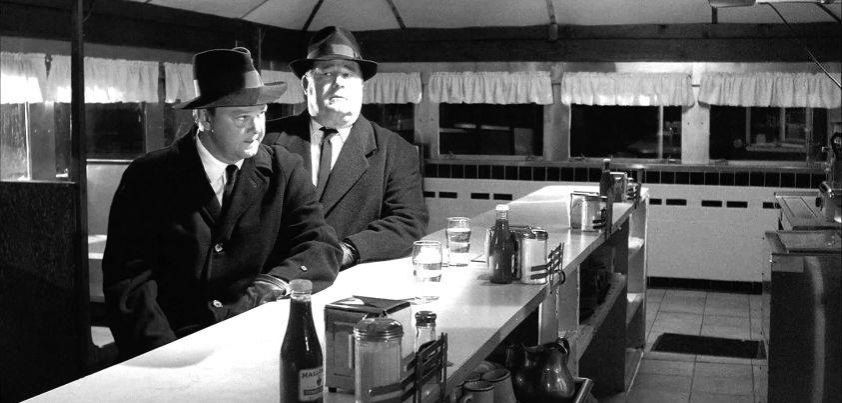
Four O'clock: Short story by Price DayThis is the one notable short story from award-winning journalist Price Day. A seemingly ordinary man has been given a series of “special powers” that could benefit mankind. He is too slow in using the first two (the power to ground war planes and prevent road accidents), and is determined not to do the same with the third: the ability to change evil people all over the world in a way that makes them easily identifiable. When he tries to do this, things don’t go according to plan. Themes: moral superiority, tempting fate (be careful what you wish for!), karma.

Continue ReadingFour O’clock