
Christmas Every Day
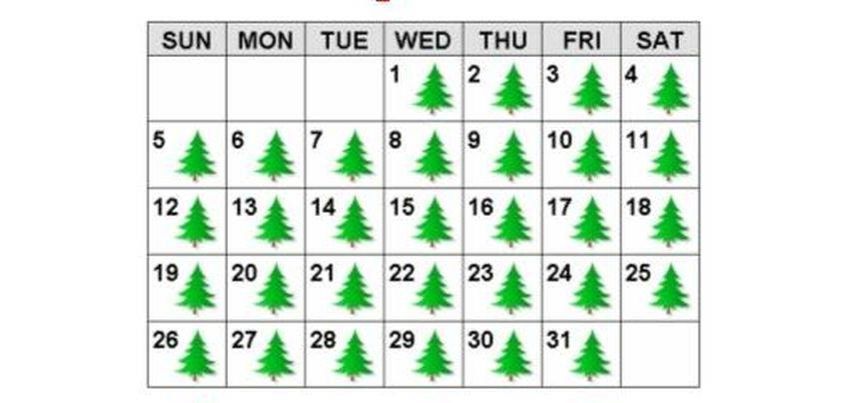 This children’s story by W. D. Howells is actually a ‘story within a story’. A demanding daughter insists that her busy father tell her a Christmas story. Perhaps with his daughter in mind, he makes up a tale about a little girl who makes a selfish Christmas wish. She wants it to be Christmas every day so she can get presents and eat Christmas treats all year long. The wish comes true but in so doing causes problems for almost everyone in the world. Although told in an amusing way, you could call this a Christmas horror fairy-tale.
 The major theme of this rather intense story from
  Have you ever thought long and hard about what would be the prefect Christmas gift for someone you love? This story by
  Two frequent themes in
  The major theme of this story by
 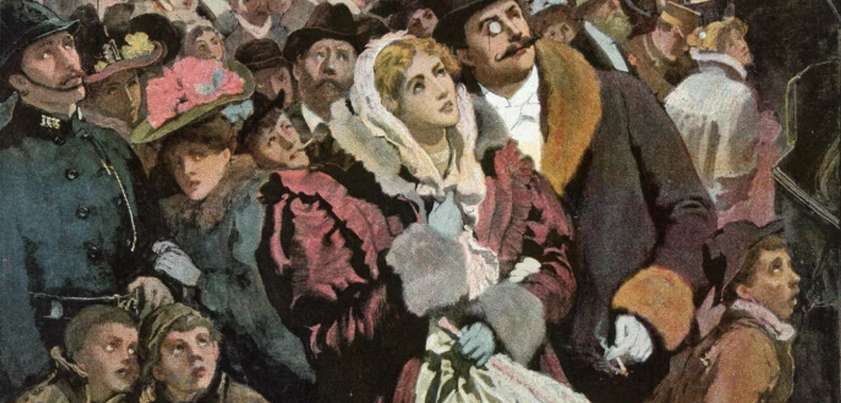 This apocalyptic story from
  This story by
  Mammon is a biblical term for great wealth. In this story by