The Sand Castle

The Sand Castle: Short story by Alma Luz VillanuevaThe major theme of this story by Alma Luz Villanueva is climate change. Set over fifty years into the future, Earth has warmed so much that all birds and marine life are extinct and direct exposure to sunlight or seawater can be deadly. Although protective clothing must be worn when venturing outside during the day, an aging woman takes her grandchildren on monthly excursions to the beach. This time she has prepared a special treat. Spurred on by her own childhood memories, they are going to build their first sand castle. Other themes: memories, family, childhood wonder and imagination, hope.
Continue ReadingThe Sand Castle

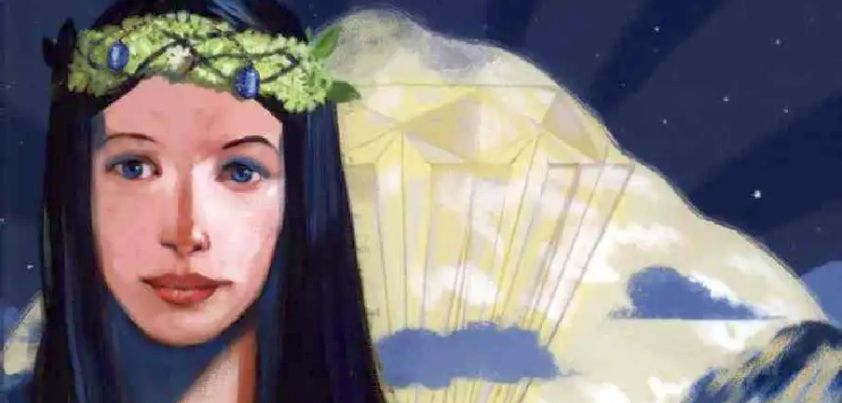
The Diamond as Big as the Ritz

The Diamond as Big as the Ritz: Short story by F. Scott FitzgeraldThis grim fantasy by F. Scott Fitzgerald satirises America’s mega-rich and, in a broader sense, the “American Dream” in which for some the pursuit of wealth becomes the most important goal in life. A school “friend” invites a young man to holiday at his luxurious family home deep in the Montana Mountains. The narcissistic family’s wealth comes from a secret diamond mine, which is so rich that strangers who enter their hidden valley are never allowed to leave. Themes include the potential corrupting power of great wealth, middle-class preoccupation with wealth, racism, restricted freedom (slavery, imprisonment and/or death), isolationism, escape.

Continue ReadingThe Diamond as Big as the Ritz

The Centaur

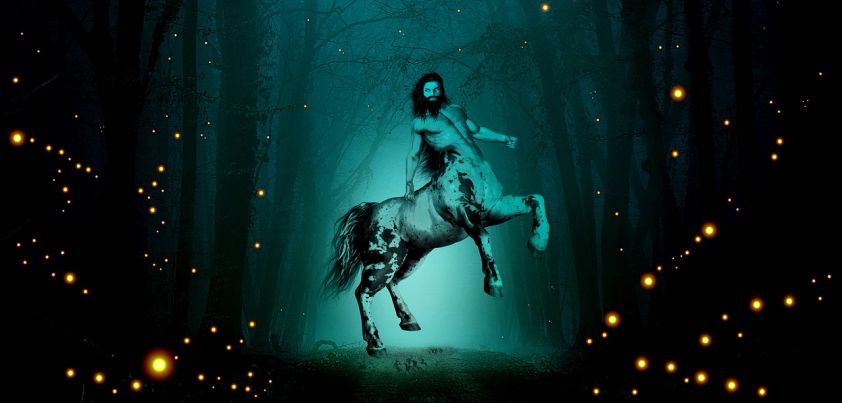
The Centaur: Short story by José SaramagoA major theme of this story by José Saramago is fear of those who are fundamentally “different”. Other themes include duality, modernity, wilderness encroachment, loneliness, isolation and identity. A mythical Centaur survives into the 20th century. The only one of its kind still living, it has wandered the wilderness for thousands of years. Unfortunately, humanity is expanding and it has become increasingly difficult to avoid contact. A fascinating feature of the story is the interdependence between the centaur’s horse and human sides. Both have different needs, which often require compromise. There are some human needs, however, that can’t be met.

Continue ReadingThe Centaur

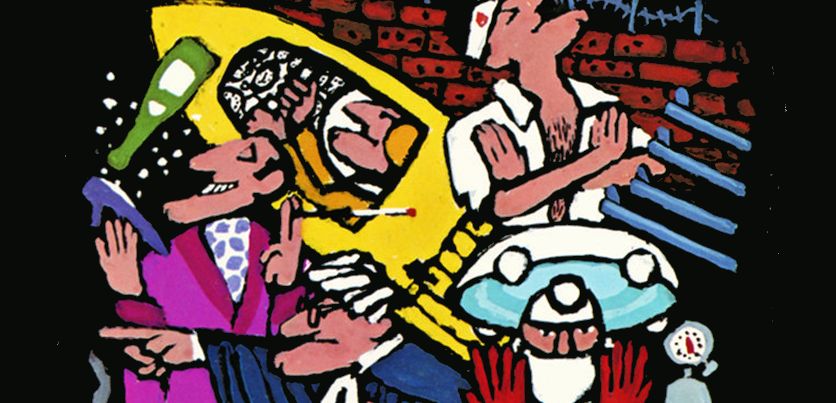
The Kugelmass Episode

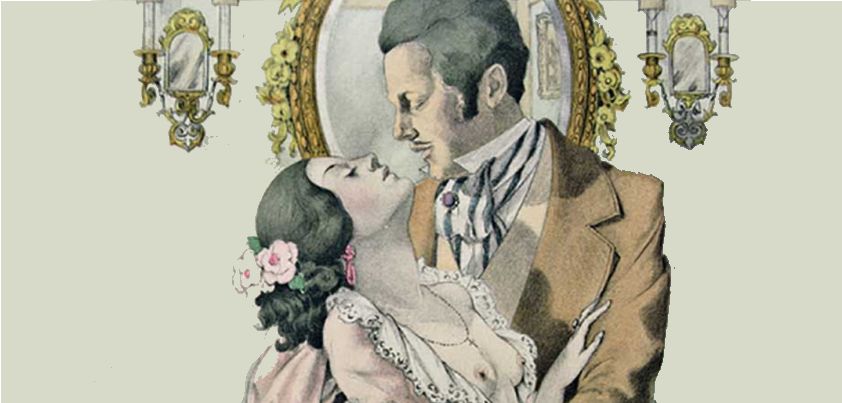
The Kugelmass Episode: Short story by Woody AllenThis Woody Allen story includes elements of fantasy, science fiction and farce. Kugelmass, bored with his “oafish” wife, wants a lustful extra-marital affair with no commitments either way. His wish seemingly comes true when a failed magician offers him a chance to seduce any woman from world literature. His first choice begins well, but ends badly; his second proves disastrous. The story is a cutting satire of America’s 1970s ‘Me’ culture. Themes include psychological well-being, marital relationships and casual sex. Ironically, instead of “having” the affair he wanted, Kugelmass spends the rest of eternity running from hairy, long-legged Spanish “haves”.

Continue ReadingThe Kugelmass Episode

Chivalry

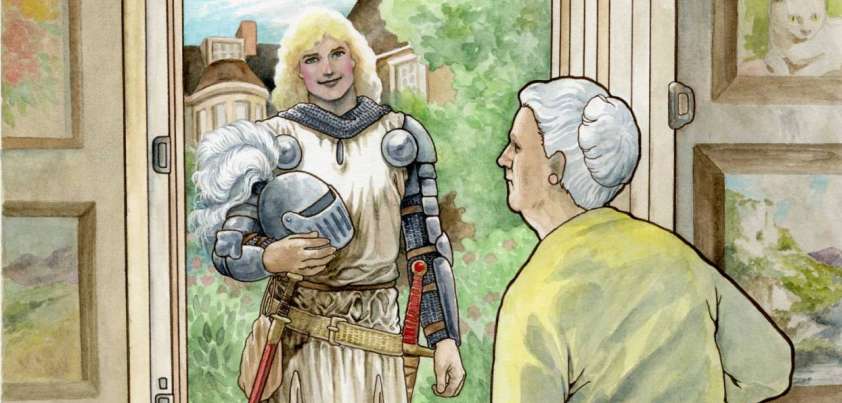
Chivalry: Short story by Neil GaimanThis Neil Gaiman fantasy features a nice old lady with nice friends, who lives in a nice house in a nice neighborhood. She was also living a nice, peaceful life until one day her routine was interrupted by Sir Galahad on a quest to find the Holy Grail. Having recently bought the Grail at an op-shop, the woman refuses Galahad’s offers of the Sword of Invincibility and Apple of (eternal) Life in exchange. Fortunately, the lad finds two other items she thinks would look better on the mantelpiece. Themes include civility and respect, patience, perseverance, and contentment in old age.

Continue ReadingChivalry

The Snow Child

The Snow Child: Short story by Angela CarterThe main theme of Angela Carter’s Snow Child is feminist gender stereotyping. There are no heroes here. A powerful, dominating and lustful Count humiliates his wife by wishing for a young girl and clothing her in the vain Countess’s furs. His masculinity and dignity are then stripped away as he weeps while defiling the child’s dead body. The usually submissive Countess experiences a moment of power as the Count guiltily hands her the rose that killed the child. This passes when a thorn prick fails to kill her, proving that she lacks the sweet innocence of the snow child.

Continue ReadingThe Snow Child

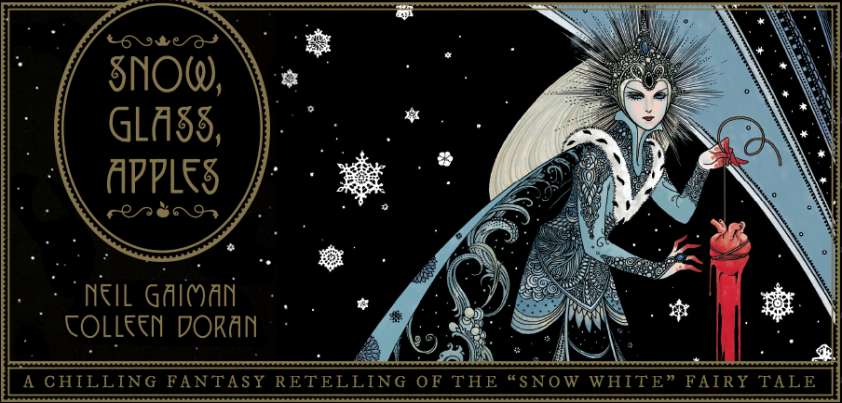
Snow, Glass, Apples

Snow-Glass-Apples: Short story by Neil GaimanThis Neil Gaiman story is yet another re-invention of the Snow White tale. However, a shift in point-of-view from a third-person omniscient narrator to the first-person perspective of the Queen allows the story to be re-imagined in a way we are unlikely to see from Disney. The much-maligned Queen knows a little magic (enough to glimpse the future and enchant the King), but not enough to match her evil stepdaughter. In the end, the Queen’s fate adds a new meaning to the slang term to feel cooked. Themes include power, vampirism, murder, revenge, jealousy, cruelty, sexual depravity (necrophilia, pedophilia, incest).

Continue ReadingSnow, Glass, Apples

The Secret Life of Walter Mitty

The Secret Life of Walter Mitty: Short story by James ThurberA major theme of this story by James Thurber is escapism (in this case taking charge of one’s life through fantasy). Walter Mitty, a meek, blundering man who leads a mundane suburban life is perhaps the world’s best-known daydreamer. Constantly humiliated by his dominating, nagging wife and others he encounters in the community, his way of compensating is to escape into exciting, imaginary worlds. There, he acts out fantasies in which he is the opposite of his real self, performing wondrous feats and bravely facing all kinds of danger. Other themes: identity, self-respect, masculinity, gender roles.

Continue ReadingThe Secret Life of Walter Mitty