
After the Ball / Dance
 The major themes of this story from Leo Tolstoy are the circumstances that determine “good” and “evil”, and the morality of blaming a child for the actions of his/her father. The protagonist is captivated by a beautiful woman. They attend an elegant ball, where he is impressed by the demeanor of her father, a senior military officer. His feelings change the next morning when he witnesses the father officiating at the brutal punishment of a deserting soldier. Other themes: romance, judging by appearances, point of view (cruelty vs. duty), class, moral indignation vs. naivety.
 Rather than being “useless”, the protagonist of this story by
 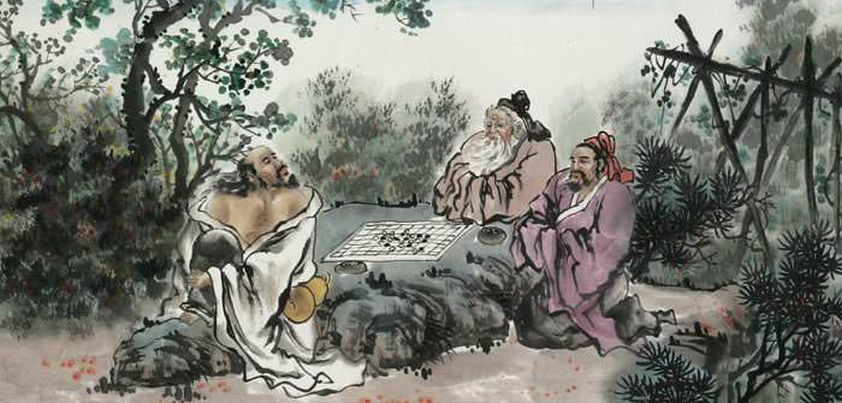 This Chinese folktale retold by
  This story from
  Characters in
 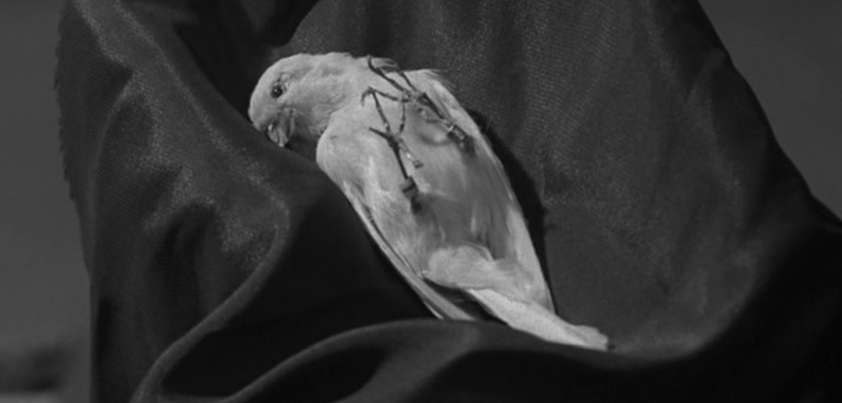 The three dominant themes of this story by
  This story from
  In this humorous story from