 As in an earlier Margaret Atwood story, The Age of Lead, The Bog Man revolves around a long-dead body. A university student’s hero worship of her archaeology professor leads to a torrid affair during which she accompanies him as his ‘assistant’ to inspect a 2,000-year-old body preserved in a Scottish peat bog. As his invisible wife comes between them, she feels “cheap and furtive”. Recognizing his shallowness, she ends the relationship. Like the bog man, over the years he becomes flatter and more leathery, as life goes out of him in her mind. Themes include infatuation, sexual exploitation, desire, guilt, empowerment. More…
Category Archives: Short Stories
The Prisoner Who Wore Glasses
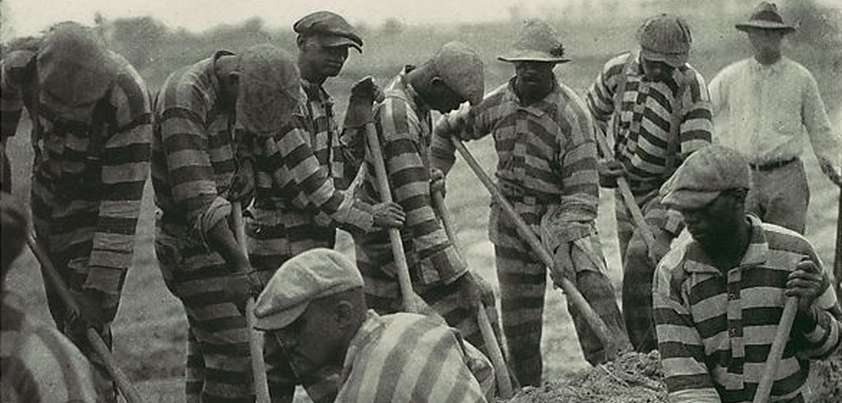 This story from Bessie Head is about a group of political prisoners who unite to survive the harsh South African penal system. Physically, the main character (Brille) is the weakest of the span of ten prisoners. This is reflected in his build, his clumsiness, and his poor eyesight. Brille compensates for these weaknesses with strength of character and insight. A beating from a warder helps him see that he entered politics for the wrong reason; it also shows him a way to manipulate the warder to improve things for the whole span. His glasses symbolize both weakness and perceptiveness. More…
Prey
 In this story by Richard Matheson, a woman buys her new boyfriend a Zuni fetish doll for his birthday. A scroll inside the box reads THIS IS HE WHO KILLS…. HE IS A DEADLY HUNTER. As she prepares to shower, the doll turns out to be the real deal. It escapes the gold chain designed to keep the hunter’s spirit locked inside and sets off in search of prey. Although the girl and the spirit appear temporarily happy with the outcome, the girl’s mother may not be! Themes include control, isolation, violence, fear, determination, the supernatural. More…
Mariah
 In this story by Che Husna Azhari, the men of a Malay village gather in the market square every morning to buy a nasi dish for breakfast. It is not that this nasi is any better than they would get at home, but rather because the vendor is an attractive young widow who mesmerises them with her swinging hips and easy smile. The village Imam is love-struck by the woman, who reminds him of his first, unrequited love, and convinces his devoted wife to let him have another. Themes include religious faith, patriarchy, desire, jealousy, love, polygyny, sacrifice. More…
The Gold of Tomás Vargas
 Isabel Allende’s Tomás Vargas is a lecherous, wife-beating, boastful drunkard. At a time when paper money has lost its value, he is wealthy thanks to gold he buried in better times. He enjoys a luxurious, self-indulgent “macho” lifestyle as his wife and children live in poverty. To add to his family’s misery, he brings his pregnant mistress home to live with them. In addition to Vargas’s wife, the “heroes” of the story are the shop-keeper (Riad) and school-teacher (Inés), who take pity on and try to help the women. Themes include greed, cruelty, morality, dignity, compassion, responsibility, and karma. More…
Roselily
 In this story by Alice Walker, a woman daydreams through her wedding ceremony about how her life is about to change. She is not sure if she is in love with the man, and is marrying him primarily for the sake of her young children from previous relationships. Although both are African-American, their future faces significant challenges. She is from the rural South, he is from Chicago; she is Christian, he is Muslim. She reconciles herself to a life of ropes, chains and handcuffs away from family and friends. Themes include alienation, loneliness, motherhood, compatibility, religion, change and hope. More…
The Flying Machine
 In this story by Ray Bradbury, a Chinese Emperor learns that one of his subjects has invented a “flying machine”. Thinking that the invention could be used against him if the “technology” fell into the wrong hands, he has the man executed, the kite destroyed, and the whole episode hushed up. Written shortly after the end of World War II, by which time the Soviets had already replicated America’s atomic bomb, the story could be considered a parable warning of the risk of developing weapons of mass destruction. Themes include the potential danger of technology, fear of progress, shortsightedness, selfishness/control. More…
Under the Banyan Tree
 This story by R. K. Narayan starts by contrasting the village of Somal’s poor utilities and sanitation practices with the almost idyllic existence of its inhabitants. Set before the coming of electronic media, the only regular source of entertainment is Nambi, the village storyteller. As de-facto village priest, Nambi is also the focal point of its culture and traditions. Sadly, he is getting old. He forgets prepared stories, and has difficulty coming up with new material. Fortunately, he has the good sense to make his ‘greatest’ story his last. Themes include storytelling, community, aging, knowing when to stop, spirituality.. More…
The Good Shopkeeper
 A major theme of this story by Samrat Upadhyay is pride. Other themes include progress, family, social status, escapism through infidelity, humility, self-sufficiency. Set in Nepal, an accountant in a struggling international company loses his prestigious job to a younger man with better computer skills. He is married with a seven-month-old baby, and seeks help from his shady but well-connected brother-in-law. When nothing comes up, he finds solace in an affair with a housemaid he meets in a park. Through the housemaid’s simplistic outlook and lifestyle, he learns that self-worth comes from within and not a fancy job or title. More…
The Beginning of Homewood
 This partly autobiographical story by John Edgar Wideman takes the form of a letter from an African-American man to his brother in prison. The central topic is how their great-great-great-grandmother Sybela escaped slavery with the son of her owner and their two illegitimate children and, after a five-hundred-mile flight across America, established a new community in a remote corner of Pittsburgh. The letter seeks to reconcile Sybela’s flight from bondage with his brother’s incarceration for murder, questioning whether the latter should be mitigated by their legacy of slavery. Themes include race, heritage, slavery, escape, freedom, justice and accountability, the supernatural. More…
Three Elephant Power
 Today’s story is by A. B. “Banjo” Paterson, a famous Australian writer best known for his poems and stories about life in the countryside around the time of the country’s independence from Britain in 1900. Despite the title, this story has very little to do with elephants. It is about boys and their toys (men and their cars), and is a wonderful example of Australian ‘bush humor’. Part of the story is about the exploits of a speed-loving chauffeur named Henery, who tries to catch a car that has left the biggest set of tyre tracks he has ever seen. More…
The Laughing Man
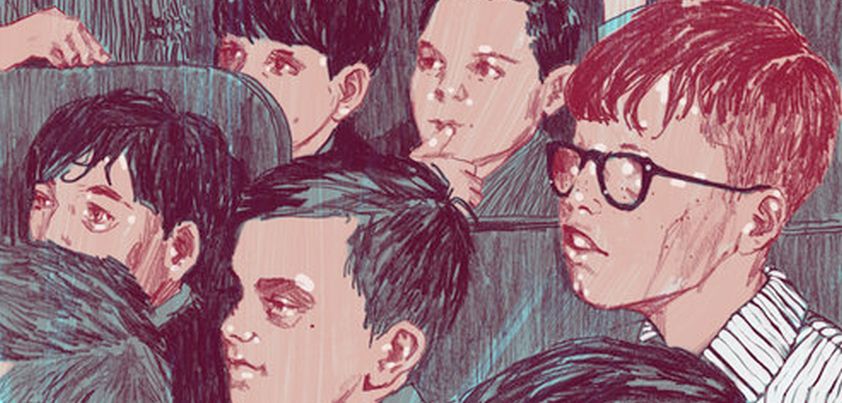 This J. D. Salinger story describes the relationship between members of a boy’s club (the Comanches), their youth leader (the Chief), and the imaginary hero of stories told by the Chief (The Laughing Man). One of the major themes is escape from reality through stories. In this context, the Laughing Man symbolizes the imaginary hero in all of us. Another important theme is change. Breaking up with girlfriend Mary results in the Chief “killing off” the Laughing Man, signalling to the boys that childhood pleasures (and life) don’t last forever. Other themes: appearance vs. ability, friendship, death, loss of innocence. More…
Big Black Good Man
 In this story by Richard Wright, an elderly man working the night desk at a seedy waterfront hotel is used to handling rough customers. However, when the biggest, strangest, and blackest sailor he had ever seen asks for a room, he is irrationally terrified. Living in constant fear, he meets the sailor’s demands (whisky and a woman) for six days. As the sailor checks out, he playfully puts his hands around the man’s neck, causing him to wet his pants in fear. A year later, the sailor returns. Themes include appearance and stereotyping, racism, fear, alienation, hatred and revenge, misjudgment. More…
Anandi
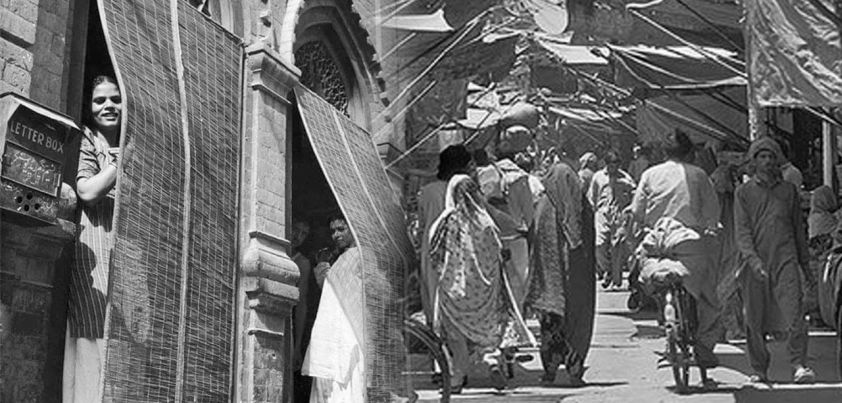 This story by Ghulam Abbas illustrates how the “world’s oldest profession” can assist in regional growth. Concerned about the appearance of prostitutes plying their trade around the town bazzar, the authorities of a Pakistani city banish them to a bare patch of land twelve miles out of town. A small marketplace develops around them, and over the years the outpost grows into a thriving new city of 250,000 people. Concerned about the appearance of prostitutes, the new city’s authorities banish them to a bare patch of land twenty-four miles out of town… Themes include politics, prostitution, persecution, enterprise, urban development. More…
Magnificence
 This confronting story by Estrella Alfon explores one of a parent’s worst nightmares: the sexual abuse of a child by someone they know. An after-school tutor, loved and trusted by his two students, “loses control” and soils the dress of a seven-year-old girl he had placed on his knee. The major theme is the “magnificence” of the mother in confronting and humiliating the man. Set in 1950s Philippines, a secondary feminist theme is gender reversal and empowerment – the need for women to fight back against male mistreatment. Other themes include innocence, motherly love, child abuse, betrayal, absentee parenting (the father). More…
A Conversation from the Third Floor
 Mohamed El-Bisatie’s writing is known for its visually stimulating descriptions of setting in which any drama or romance is subdued or inferred. Here, a woman tries to visit her husband in an Egyptian prison. She is allowed to leave a package (cigarettes) but not to see him. As she stands in the street below, her husband calls out from his third floor cell window. They have a brief but superficial conversation in which a lot of things are left unsaid. Themes include loss (of family and freedom), powerlessness, disappointment, uncertainty, struggle. More…
The Wives of the Dead
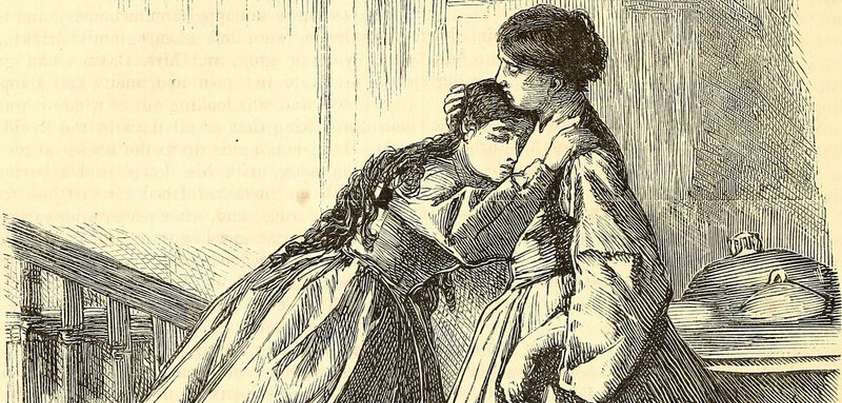 This early story from Nathaniel Hawthorne seems to have the same effect on most who read it. We think we know what happened to the two recently married and even more recently widowed young women, but are not 100% sure. Their husbands were brothers, and the four shared a small house. After mourners leave, the women retire to their bedrooms. At different times during the night, each wakes to a messenger with news that their husband has survived. Was either of the messages real? Themes include loss, grief and mourning, dreams vs. reality, and consideration for others. More…
Heart is Where the Home Is
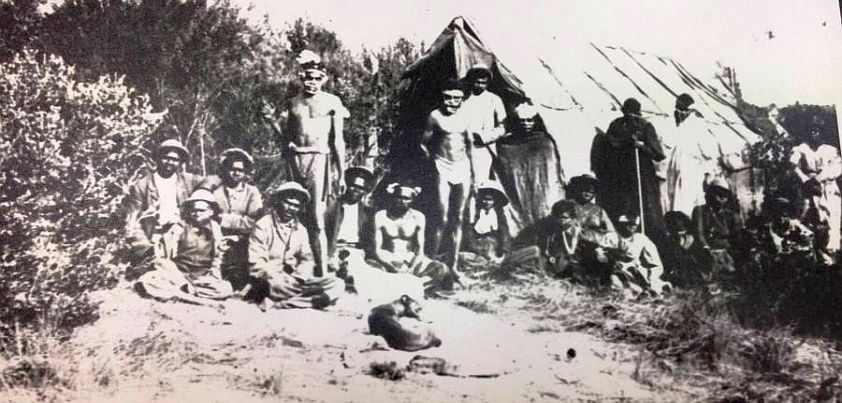 This Thea Astley story is set during period of the Stolen Generations: sixty-years over which up to 100,000 Australian aboriginal children were forcefully removed from their families, placed in missionary schools, and trained to work in white society. Although the story recounts an aboriginal mother’s desperate attempt to save her child, a major theme is the strong connection her people have to “home” (their clan and land). When a white farming family offers her a safe haven away from the wretched camp she lives in, her answer is Not same. Other themes include racism, brutality, family, motherhood, courage, compassion. More…
Cell One
 Some websites describe Nnamabia, the young protagonist in this story by Chimamanda Ngozi Adichie, using terms such as ‘a wayward, rebellious son’. This is treating him too kindly. At the beginning of the story, Nnamabia is an entitled, spoiled, manipulative brat… too weak-willed to resist imitating the petty thefts of his peers, yet so cowardly that the only person he is game enough to steal from is his mother. Although he did not deserve the punishment he received at the hands of the so-called Nigerian justice system, he learnt some important lessons and came out of it a man. More…
Rain Frogs
 In this story from Shiga Naoya, the naïve wife of a rural businessman is either seduced by or coerced into having sex with a predatory novelist. Surprisingly, in addition to appearing remarkably understanding, the woman’s husband is sexually aroused by her experience. The woman’s reaction is equally surprising. Initially, she is described as being a pleasure to look at but having no light in her tea-brown eyes. After the encounter, she has a knowing smile and “dreamy” eyes, as of someone experiencing a very sweet dream. Themes: tradition, attitudes to women in Japanese society, lack of fulfillment, sexual predation. More…
The Fall of the House of Usher
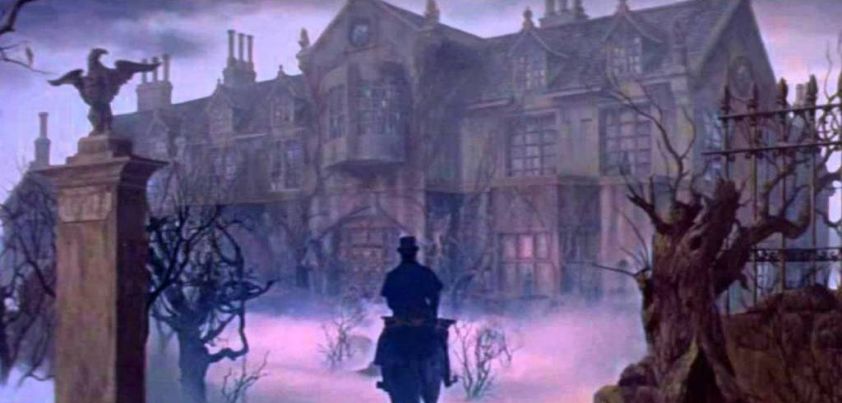 This Edgar Allan Poe story is a masterpiece of the Gothic Horror genre. A man visits a childhood friend in his crumbling family mansion to help him cope with an acute attack of depression. An interdependent relationship exists between the friend, his twin sister and the house (some say a shared soul), which ends in the downfall of all three. The story’s most remarkable feature is the almost total lack of physical action. The feeling of terror and impending doom develops solely from Poe’s descriptions of setting, characters, and atmosphere. Themes: isolation, friendship, fear, madness, the supernatural. More…
The Mezzotint
 In this story by M. R. James, a bookshop sends a mezzotint depicting an early 1800s manor house to a university lecturer on approval. The methodical don, who is also responsible for collecting rare topographical drawings and engravings for the university library, initially dismisses it as being of little interest. However, he soon changes his mind as the image on the mezzotint changes several times over the next day, finally revealing a heinous crime. Intrigued, he feels duty-bound to find the location of the house and discover its secret. Themes include mystery, crime and punishment, revenge, the supernatural. More…
The Last Class / Lesson
 Alphonse Daudet’s The Last Class (aka The Last lesson) looks at the disheartened reactions of Alsatian villagers, children and their teacher to the decision that the French language can no longer be taught at their school. Their part of France (Alsace and Lorraine) has become part of Germany following the Franco-Prussian War of 1870-71, and the Berlin government has ordered that only German can be taught in the school. Themes include language as part of identity, cultural subjugation, the value of education, regret (not only for the changes, but also missed opportunities in learning and teaching), patriotism and community spirit. More…
The Faithful Wife
 In this story by Morley Callaghan, a young man working in a railway café is completing his last shift before leaving town to attend college. Shortly before finishing up, he receives a phone call from a customer he has admired but never spoken to asking him to come to her home. When he gets there, she encourages him to sit down, kiss and “make out” for a short time. The woman is married, and this is her way of fulfilling an important desire without being unfaithful to her husband. Themes include the need for passionate human contact, manipulation. More…
A Defenseless Creature
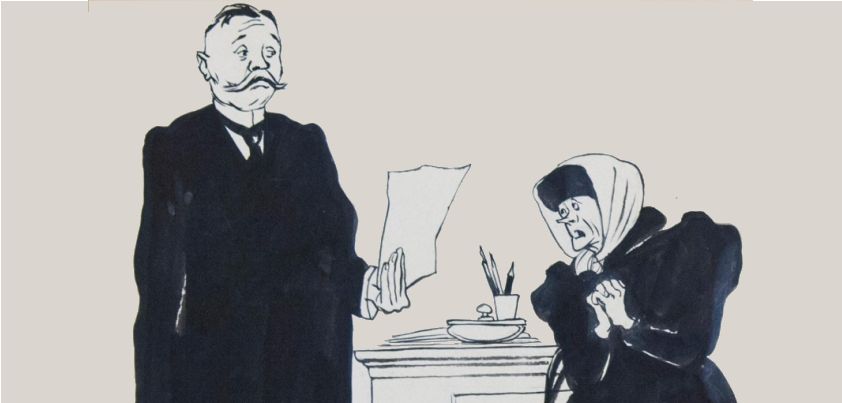 In addition to his tales highlighting serious issues such as poverty, class, death and unfulfilled expectations, Anton Chekhov wrote dozens of comic short stories to support himself through medical school. In this story, a persistent, shrew-like woman wears down a sickly banker. The exasperated man finally pays money the woman claims is owing to her husband out of his own pocket, even though the alleged debt has nothing to do with his bank. Despite the woman repeatedly describing herself as such, readers are left wondering if the harried banker is the titular “defenseless creature”. Themes: bureaucracy, communication, desperation, persistence. More…
A Pilgrim Yankee’s Progress
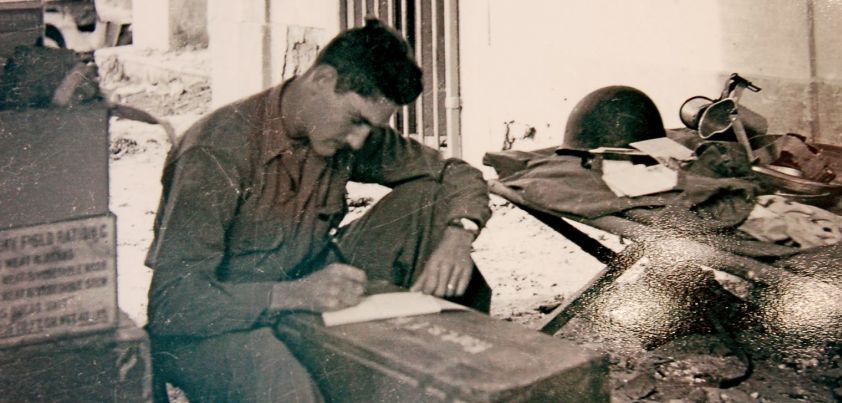 Set shorty after Philippine liberation at the end of World War 2, this rather intense story by Nick Joaquin deals with the uneasy relationship between a Filipino family recovering from the trauma of the war and an American soldier visiting the grave of an uncle who died during the Spanish-American War. The major theme is cultural relativism: how misunderstandings can arise when people of different races and upbringings interpret events purely from their own cultural perspective or expectations. Both parties fall for this trap. Other themes include connections between past and present, colonialism, Puritanical idealism, self-reflection and awareness. More…
Two Friends
 Set during the four month the siege of Paris of 1870-1871, this story by Guy de Maupassant stereotypes (from a French perspective) the patriotism and valour of two Frenchmen and the barbaric brutality of the Prussian (German) soldiers surrounding the city. After a few drinks, two friends on opposite sides of the political spectrum (one a monarchist, the other a republican) set off to escape the deprivation and boredom of the besieged city by going fishing in the “no-man’s land” between the two armies. Themes: friendship, loyalty, patriotism, courage, the brutality of war. More…
The Pale Man
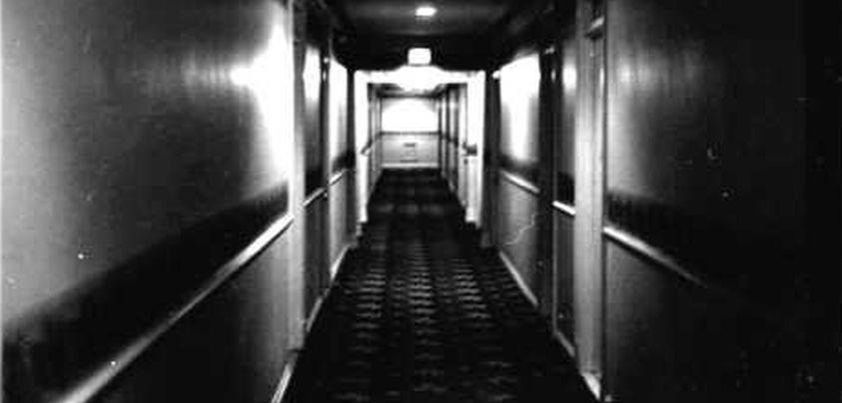 This is a short horror story by little known author Julius Long. A doctor tells a man suffering from nerves to have a long holiday somewhere quiet. The man checks into a hotel in a small town. However, the townspeople are unfriendly towards him and he finds it a lonely, dreary place. His only hope for stimulating conversation appears to be a tall, pale man staying in another room of the hotel. The pale man has some very strange ways, so the man asks the hotel room clerk about him. The room clerk tells him there is no such guest. More…
Marjorie Daw
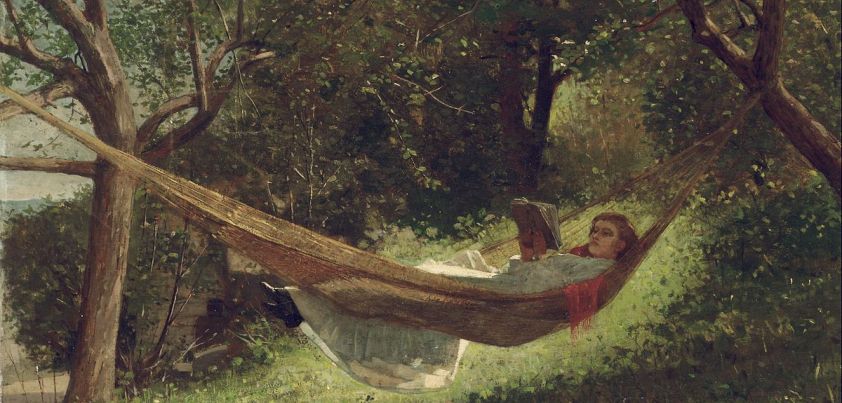 The major theme of this story by Thomas Aldrich is how well-intentioned deception can lead to unexpected results. A wealthy, self-absorbed young man has difficulty adjusting to being confined to a sofa with a broken leg. His doctor asks the man’s best friend, who is holidaying near the sea with his sick father, to write frequently in order to “distract and cheer him up”. The friend complies, beginning with an innocent white lie about the beautiful girl living across the road. Unfortunately, as is often the case, one lie leads to another and soon the distraction grows into an obsession. More…
When Darkness Falls
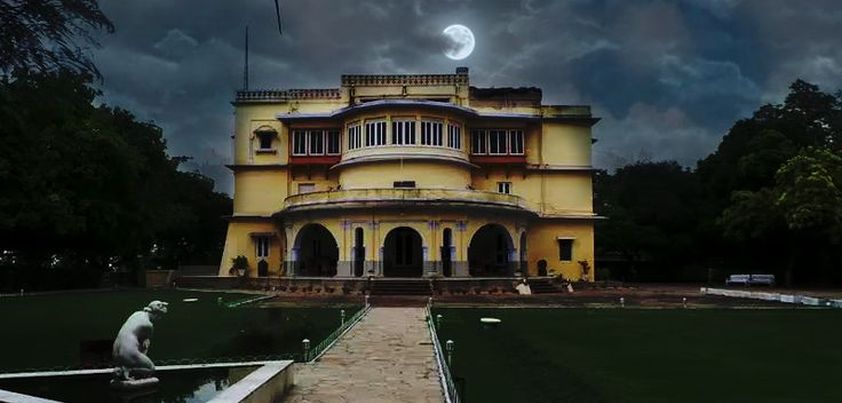 One of Ruskin Bond’s strengths is his ability to portray characters that are so life-like readers can empathize with them. So it is with this tragic story of man so frightfully disfigured by war that he is afraid to leave his room by day, and confines himself to creeping phantom-like around an aging hotel by night. His loves in life are his books and music. The message of the story: before turning away from a grossly disfigured or disabled person, stop to consider the feelings of the human being within. Themes include appearance, fear, despair, the healing power of music. More…
Tell Them Not to Kill Me
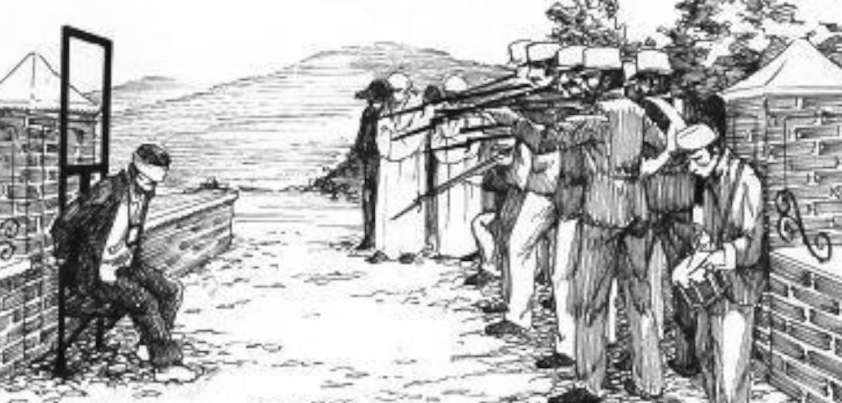 Juan Rulfo‘s short stories focus on the violence and hardships of rural peasant life in post-revolutionary Mexico. In this story a farmer (Juvencio) has been on the run for thirty-five years after viciously killing a friend for refusing to share his pasture during a severe drought. The murdered man’s son, now a police colonel, arranges for Juvencio’s capture. Juvencio, showing no remorse, begs for his life on the basis that he has already suffered enough. His grisly summary execution leaves readers to decide whether justice was served. Themes: land reform; endemic corruption; judicial system breakdown; father-son relationships; violence; revenge.
More…
Letter to a Young Lady in Paris
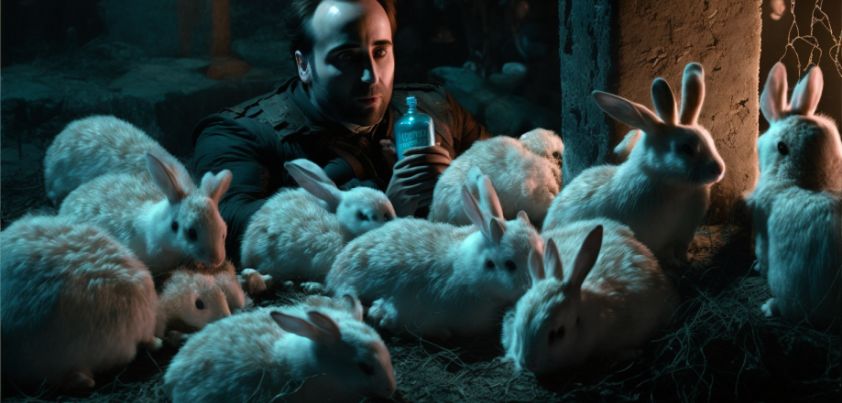 This surreal story by Julio Cortázar is in the form of a letter from an Argentinean man to a friend who has allowed him to stay in her apartment while she is visiting Paris. His concerns about disrupting the compact order of her rooms become a reality when, on the point of moving in, he vomits up a tiny rabbit. This is normally an occasional occurrence, but ten more bunnies pop out over the following weeks. As they grow and begin to trash the place, he contemplates drastic action. Themes include phobia (about moving), obsession (with orderliness), depression, alienation, despair. More…
A Conversation With My Father
 This story from Grace Paley uses a meta-fictional approach (a story about storytelling) to highlight generational differences between a writer and her aged father. The father, who is confined to bed, asks his daughter to write a simple story just once more, the kind Maupassant wrote. Instead, she relates a minimalist, open-ended tale with several possible outcomes. These artistic differences reflect the ailing father’s coming death. He has accepted that the end is near; she is not ready to. Her story challenges the father’s views on themes such as family, parenting, addiction, and the ability to change one’s destiny. More…
Smell / Bu
 In this story by Saadat Hasan Manto, a refined Indian man sees a factory worker sheltering under a tree outside his apartment during a rainstorm. He invites her up to dry off and, consensual or otherwise, they have sex. As she spends the night he notices that every part of her body emits an at once foul and sweet-smelling odour. This enchants him so much that sex with other women, including the henna-smelling upper-class wife he marries years later, is less satisfying. Themes include social class/ethnicity, exploitation (rape?), promiscuity, sensuality, smell as an agent for memory and desire. More…
Toy Shop
 In this story by Harry Harrison, an Air Force scientist buys a trick rocket from a toy fair. A thin piece of string makes the rocket rise and fall, and he plans to entertain some other scientists with it at a poker party. At the party, the scientists discover that the trick only works in certain conditions. They are curious as to why, because it seems that the toy may break a basic law of physics. What they don’t know is that this is all part of a plan for them to help make someone else very rich. More…
Private Lies
 This story by Bobbie Ann Mason reveals how events of the past can resurface and have a significant effect on the present. A seemingly happily married man with two children becomes obsessed with finding the soon-to-be eighteen-year-old woman he and his previous wife gave up for adoption at birth. The quest causes him to look up his ex-wife, who has changed significantly in looks and character. This leads to a steamy affair that is on the brink of destroying his current marriage. Themes include marriage, teenage pregnancy, control, loss, regret, deception. More…
In the Garden
 Set during the Philippine’s Marcos dictatorship, this story by Jose Dalisay Jr. takes place in the garden of an isolated one-room school. As the children tend their vegetables, a group of soldiers appears and begins to pull them out. Their orders are to take or destroy all local food sources in retaliation for the killing of one of their number. The younger children are sent home, but the oldest (a fourteen-year-old girl) is ordered to stay to “cook and do the soldier’s washing”. Bravely, the teacher insists on staying with her. Themes include innocence, oppression, intimidation, helplessness, fear, responsibility, courage. More…
Old Aeson
 In this story by Arthur Quiller-Couch who wrote under the pen-name “Q” (No relation to the James Bond Q!), a very old man almost freezes to death outside a rich man’s house. The rich man takes the old man in and has him cared for. Nobody knows who the old man is or where he came from, and no one can understand his strange language. However, the old man has a mysterious power. He begins to suck the life out of the rich man, slowly turning him into an old man as he becomes younger and younger. More…
Twenty Minutes
 There is a saying that your life flashes before your eyes in the moments before you die. In this James Salter story, the protagonist has twenty minutes to think about it. A woman riding a horse in the countryside is paralyzed in a fall. She estimates that she will die from her injuries if help doesn’t arrive within twenty minutes. As the minutes tick by, she recalls recent events in her life. Sadly, the picture they paint is not a very happy one. The central theme is, of course, death. Other themes: family estrangement, marriage, unfaithfulness, loneliness, desperation, unfulfilled dreams. More…
Taking Care
 Written at a writer’s retreat in the early 1970s, this is Joy Williams’s first published story. An understandably distracted parish priest goes through the motions of fulfilling his duties as his wife wastes away in hospital from an unknown blood disorder, and he cares for his six-month-old granddaughter and a dog abandoned by his irresponsible daughter. Caring for the baby while his daughter “finds herself” in Mexico provides solace and a reminder that life goes on as he prepares for his wife’s anticipated homecoming. Themes include family, abandonment, responsibility, nostalgia, childhood adaptability, love, marriage, suffering, death, grace. More…
Testimonial
 The major theme of this Edwidge Danticat story is cultism. A woman dies after 25 years in prison for murdering her baby son. Her daughter has had to keep a terrible secret. Her mother was a member of a bizarre sisterhood made up of descendants of former Haitian slaves. The killing of her brother was a sacrifice to restore the daughter’s failing health. For years, she has been trained in the ways of the cult. She must now unwillingly take her mother’s place among its membership. There appears no way out. Other themes: motherhood, fear, superstition, destiny. More…
The Lady With the Dog
 Anton Chekhov’s Lady With the Dog is about a philandering misogynist who meets a much younger woman while on vacation. Both have unhappy marriages; both are open to holiday romance. They enjoy a brief affair, then go their separate ways. After parting, each becomes obsessed with the memory of the other. He tracks her down, and soon they are planning a future together. The story has an open ending, but one suspects that each now looks at relationships and the world in a new way. Themes: love, infidelity, guilt, morality, chauvinism, sexual objectification, commitment. More…
The Devil and Tom Walker
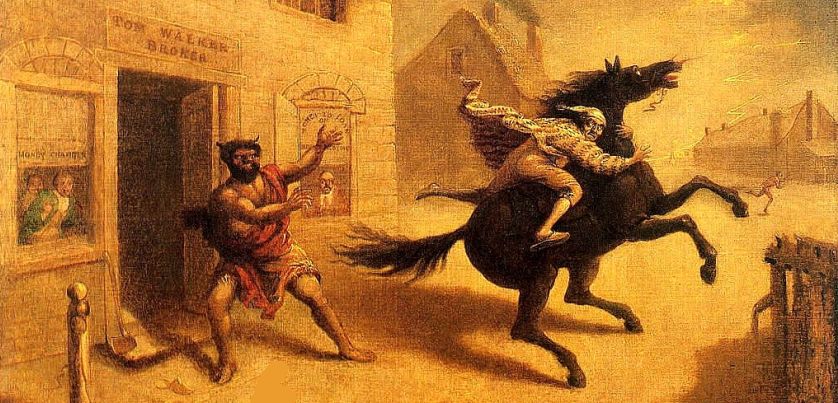 The major theme of this story by Washington Irving is greed. Other themes include storytelling, usury, religion and hypocrisy. Set in early eighteenth century America, a miserly, poverty-stricken man (Tom Webster) meets “Old Scratch” (the Devil) as he takes a short-cut home through a swamp. Tom initially declines an offer of riches for his soul, but later agrees after the Devil unknowingly does him a favor by disposing of his shrew-like wife. Upon becoming extremely wealthy by making and foreclosing on usurious loans, he tries to change his fate through “violent” religious piety. It doesn’t work! More…
Death in the Woods
 This story is heralded as Sherwood Anderson’s finest work. Containing very little dialogue, it tells of the sad life of an exploited, hard-working woman whose frozen body in the woods radiates a mystical beauty. If readers will excuse the pun, one aspect of the story leaves me a little cold. The first person narrator, a young boy, seems to have way too much information about the woman’s history to make the backstory he provides convincing. Themes include workplace abuse, poverty, loneliness and isolation, gender roles, beauty and desire, and from the narrator’s perspective, completion of one’s destiny (feeding animal life!). More…
The Age of Lead
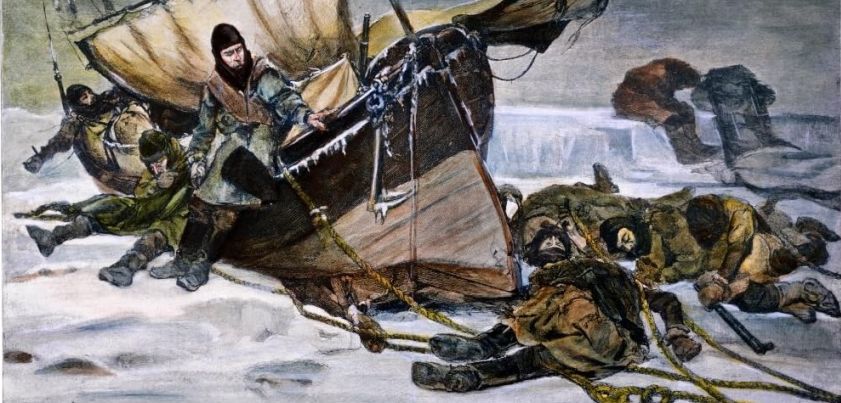 In this story by Margaret Atwood, a frozen 150-year-old body buried in the permafrost provides a lesson for the living. The story uses the solution to mystery cause of death of members of the ill-fated Franklin Expedition to highlight the dangers of consumerism and modern technology such as soil and water pollution, toxic waste and acid rain. The issues are brought home in the parallel story involving the the protagonist’s frustrating relationship with her eccentric, possibly gay lifetime friend who dies of an unknown viral infection. Themes include tragedy, side effects of consumerism and technology, individuality, friendship/unfulfilled love. More…
Lajwanti
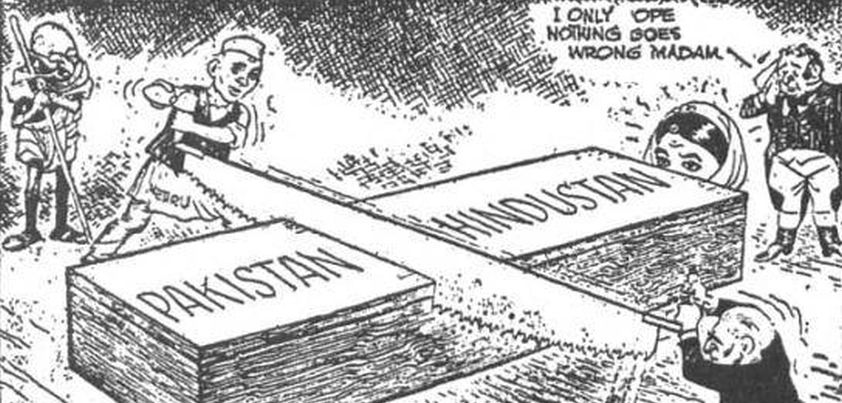 Thanks to a 2006 tele-film, this has become Urdu writer Rajinder Singh Bedi’s signature story. Set in the violent upheaval of British India’s 1947 partition, it follows Sunderlal, a Hindu activist whose wife, Lajwanti, is abducted into Pakistan. The ironic descriptions of domestic life (Lajwanti considered vicious beatings from Sunderlal “normal”, and appears confused by the kind treatment of her Muslim captor) highlight traditional Indian attitudes towards women at the time. A second irony is that although Sunderlal campaigns for the rehabilitation of abducted women, he refuses to discuss Lajwanti’s experiences with her, preventing both from finding closure. More…
The Black Cat
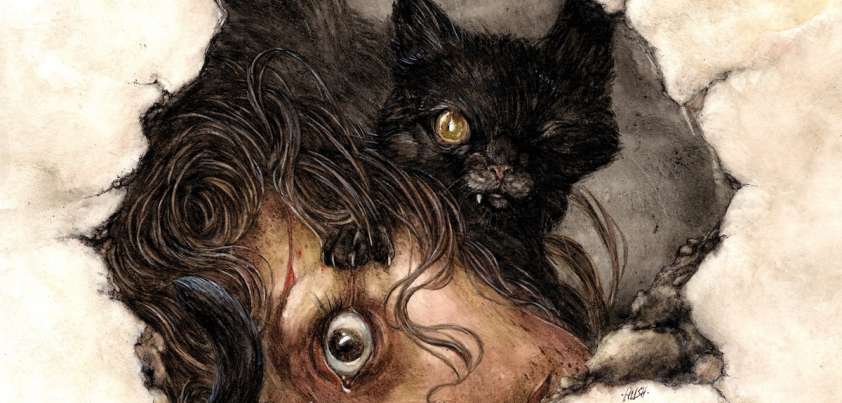 The Stephen Kings of the writing world tend to use external, often supernatural forces as their instruments of terror. With Edgar Allan Poe, the horror generally develops from the tortured mind of man. The protagonist here has lost his mind to alcoholism. Like many alcoholics, he becomes violent when in a drunken state. This is initially directed towards family pets. Extreme cruelty to animals can indicate psychopathic tendencies, and this proves true later in the story when he shows no remorse for any of his actions, including the murder of his wife. Themes: alcoholism, mental illness, brutality, death. More…
An Unsound Sleep
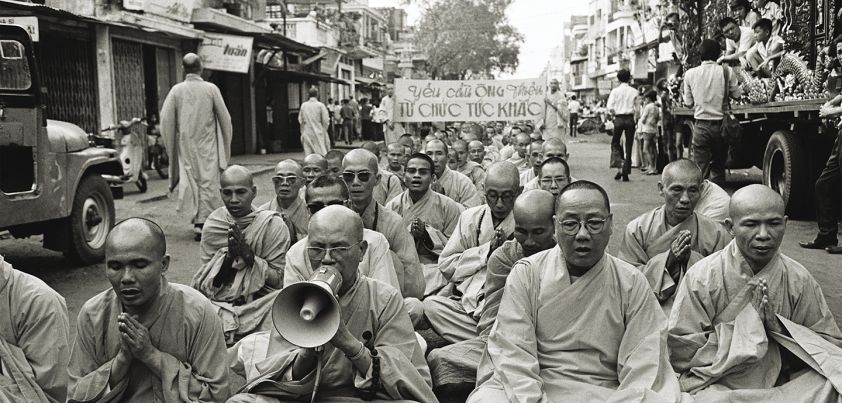 This story by Nhat Tien is set during the Vietnamese Buddhist Crisis of 1963. An old man’s contented existence is shattered when his only daughter is involved in, and subsequently jailed for, anti-government activities. Rather than focus on the violence of the revolt and ensuing CIA backed coup, the story contrasts the idealistic expectations of the daughter and her revolutionary boyfriend with what comes after. When released from prison the couple find that, although Buddhists have gained religious freedom, little else has changed. Themes include family, poverty, freedom, idealism, sacrifice, futility, alcohol abuse. More…
War
 If you are looking for an action-packed war story, this is not for you. Set in Italy during World War One, this story by Luigi Pirandello is a dialogue-packed discussion among the parents of men who are going or have gone off to war about its impact on their lives. The central themes are patriotism, duty, fear, sacrifice and grief. The climax comes when a man who claimed to be above grief because his son died honorably for his country breaks into tears when forced to confront the fact that the boy really is dead and gone forever. More…
The Yellow Wallpaper
 This partly autobiographical story by Charlotte Gilman describes the experiences of a creative, imaginative woman suffering from post-natal depression. She follows the then (1890s) generally accepted medical advice to spend her time “resting” in semi-isolation. Gilman skillfully uses the setting to turn an otherwise clinical account of a mental breakdown into a chilling psychological horror story. Although living in a colonial mansion amid idyllic countryside, the poor woman spends most of her time in a prison-like room with creepy wallpaper. Major themes include the fallibility of doctors and our reluctance to question them, mental illness, freedom and self-expression, and gender roles in society. More…