The End of the World

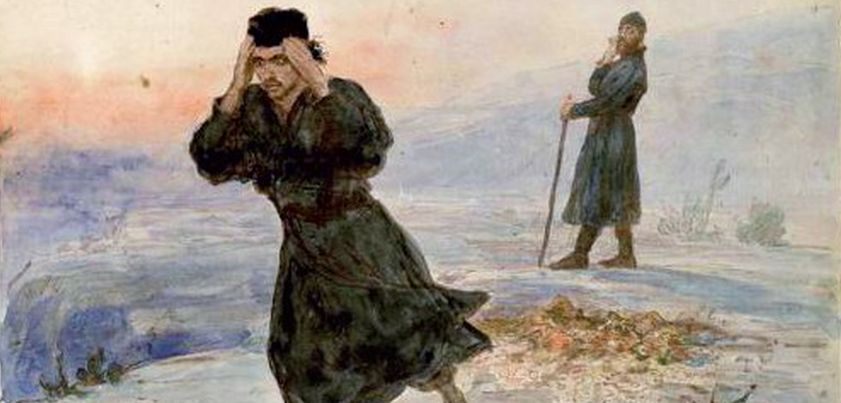
The End of the World: Short story by Dino BuzzatiThis story by Dino Buzzati is a satire of false piety. The fist of God appears in the sky, signaling the end of the world. Two friars, happy to have been proven right, laugh and make fun of the panicking crowds. The rich buy up the services of most available confessors, while charlatans pretending to be priests do house-calls to hear confessions from those who can afford it. A young priest cornered by a crowd mechanically takes confession after confession, before damning them all to hell for cheating him of his own salvation. Themes include piety, Armageddon, fear, greed, hypocrisy.

Continue ReadingThe End of the World

The Toxic Donut

The Toxic Donut: Short story by Terry BissonIn this story by Terry Bisson, a woman has been nominated from entries all over the world to represent humanity in an annual TV extravaganza. The focus of the show, set in the future and officiated over by world leaders, is Environmental Awareness. One of its features is a “Wonders of Science” film segment celebrating technology that can concentrate a whole year’s toxic wastes and pollutants into a single donut. In the finale, the donut for the previous year is presented to the world. The unwitting woman’s role is to eat it. Themes include environmentalism, science and technology, human sacrifice.

Continue ReadingThe Toxic Donut

You Were Perfectly Fine

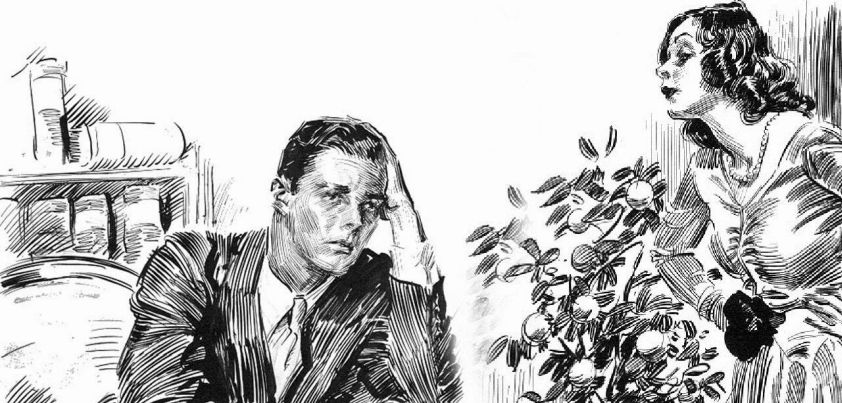
You Were Perfectly Fine: Short story by Dorothy ParkerThis entertaining “morning after” story by Dorothy Parker describes an embarrassed young man’s reactions as he tries to piece together what happened the night before. The beauty of the story is that, depending on how the reader interprets the dialogue, it can be taken several ways. One is that the woman is exaggerating or even making up events to teach the man a lesson. Another is that the events are true but she is playing them down because she wants to believe something he said during the cab ride home. Themes include alcohol abuse, memory, relationships, guilt, happiness and regret.

Continue ReadingYou Were Perfectly Fine

Unnecessary Things

Unnecessary Things: Short story by Tatyana TolstayaThe message of this story by Tatyana Tolstaya is the need to let go of things that are no longer important to your life. The protagonist, who is moving alone into a new apartment, finds the remains of her childhood teddy bear while rummaging through a cupboard in her parents’ house. The find brings back long-suppressed memories and results in a feeling of overwhelming nostalgia. Sleeping next to the bear that night, she decides it has to go. Themes include hoarding, the relationship between objects, memories and feelings, sentimentality, moving on.

Continue ReadingUnnecessary Things

What I Have Been Doing Lately

What I Have Been Doing Lately: Short story by Jamaica KincaidThis circular narrative by Jamaica Kincaid takes the form of a dream in which the narrator, woken by her doorbell and finding no one there, embarks upon a surreal journey. An interesting aspect of the story is that although delivered in the first person, the narrator’s identity is neither given nor defined. When asked the titular question by an unknown woman, she gives a slightly different version of the journey so far, suggesting either personal growth (greater awareness), or that she has experienced multiple iterations of the journey. Themes include reality vs. fantasy, loss and longing, motherhood, personal growth, identity.

Continue ReadingWhat I Have Been Doing Lately

The Kitemaker

The Kitemaker: Short story by Ruskin BondThe major themes of this Ruskin Bond story are change and the isolation/loneliness of the aged. An old man in a once rural Indian village lays back and reflects on his life as a professional kitemaker and how much the world has changed. The village’s traditional social structure, sport of adult kite flying, open spaces, and once close community spirit are no more. His only joy in life is spending time with and making kites for his grandson. A torn kite carried by the wind far above the city symbolizes release of his soul. Other themes: tradition, nostalgia, pride, mortality.

Continue ReadingThe Kitemaker

I Could See the Smallest Things

I Could See the Smallest Things: Short story by Raymond CarverThe title of this story by Raymond Carver is somewhat ironic. When protagonist Nancy looks out her bedroom window, she can see the smallest of things. What she can’t see or won’t acknowledge are the big things in her life that need attention. Concern about her open gate and multiple references to fences symbolize three important themes: insecurity, alienation, and fear of the outside world and/or change. Neighbor Sam’s garden pests represent another: inertia (sluggishness). Sam has moved on from his problems in life; Nancy and husband Cliff have not. Other themes: alcohol abuse, regret, emptiness and lack of fulfilment.

Continue ReadingI Could See the Smallest Things

The Japanese Quince

The Japanese Quince: Short story by John GalsworthyThe message of this story by John Galsworthy can be summarized in the English idiom “stop and smell the roses”. The protagonist and his doppelganger neighbor are so caught up in their daily routines that they not only fail to notice the beauty around them, but also lead solitary, unfulfilled lives alienated from those outside their immediate circle. The titular quince, with its refreshing fragrance and colorful blossoms, symbolizes rebirth. The blackbird’s song represents the potential joy of life that eludes them. Themes: the beauty of nature, work/life balance, alienation, lack of fulfillment/inner emptiness, appearance, social anxiety.

Continue ReadingThe Japanese Quince