
Heart is Where the Home Is
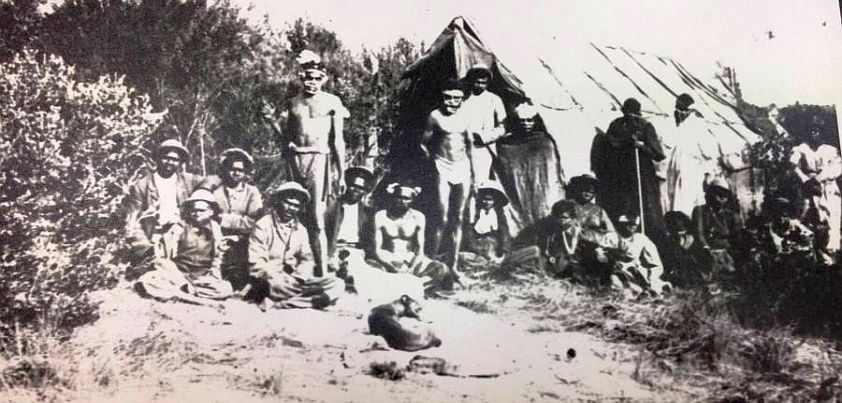 This Thea Astley story is set during period of the Stolen Generations: sixty-years over which up to 100,000 Australian aboriginal children were forcefully removed from their families, placed in missionary schools, and trained to work in white society. Although the story recounts an aboriginal mother’s desperate attempt to save her child, a major theme is the strong connection her people have to “home” (their clan and land). When a white farming family offers her a safe haven away from the wretched camp she lives in, her answer is Not same. Other themes include racism, brutality, family, motherhood, courage, compassion.
 The major theme of this story by
  In this story by
  In this
  The major themes of this story by
 A motif of this classic Western by
  This “fairy-tale” by