Featured Stories

The Willow Walk

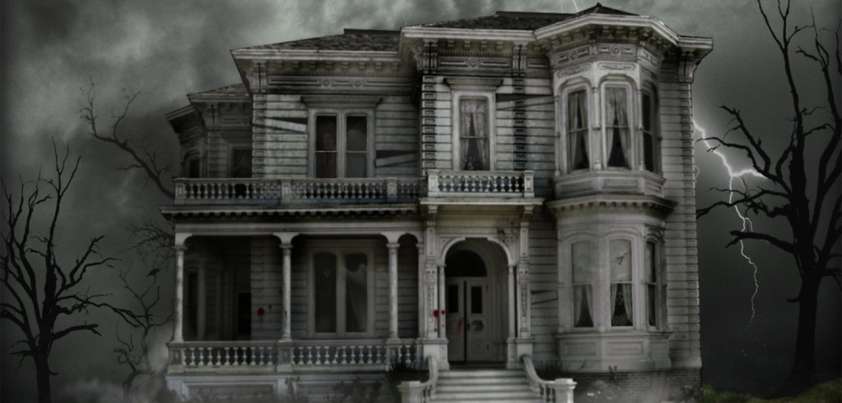
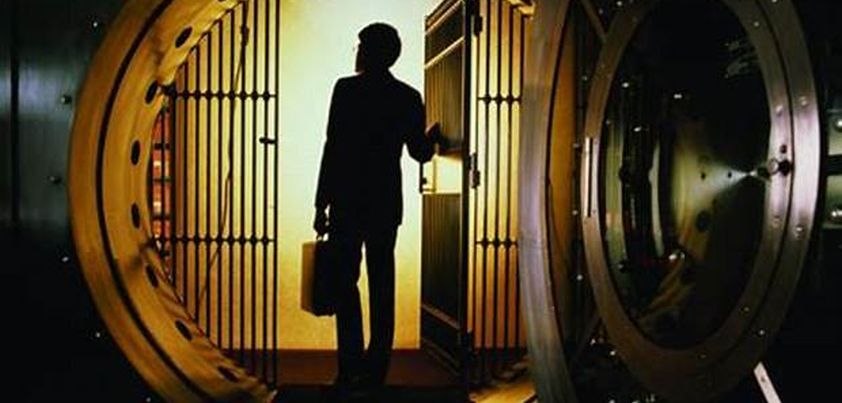
The Willow Walk: Short story by Sinclair LewisIn this story by Sinclair Lewis, twins Jasper and John Holt couldn’t be more different: Jasper, a well-dressed, respectable bank teller and admired member of a community theatre group; John, a disheveled, reclusive religious fanatic and admired member of an obscure religious cult. Yet they are the same person, a skilled actor carrying out an elaborate bank heist. The robbery goes off perfectly… “Jasper” mysteriously disappears, and John, who no one suspects, has the money. All goes well until John’s conscience causes him to descend into madness. Themes include crime, dissimulation, social class, religious zealotry, guilt, madness, atonement, despair.

Continue ReadingThe Willow Walk

Inside Out

Inside Out: Short story by Francisco JiménezThis is a chapter from the The Circuit: Stories from the Life of a Migrant Child, a collection of autobiographical short stories by Francisco Jiménez. Here. Jiménez describes his first year at school. Although slightly nervous because of his older brother’s stories about his first grade experience, he is excited to learn. However, his academic progress and relationships with classmates are held back by a complete lack of English. Frustrated, he compensates through daydreaming, artistic expression and interaction with the class caterpillar. Themes include family, poverty, language and communication, isolation and loneliness, persistence, understanding and forgiveness, art, personal growth (metamorphosis).
Continue ReadingInside Out

Christmas Storms and Sunshine

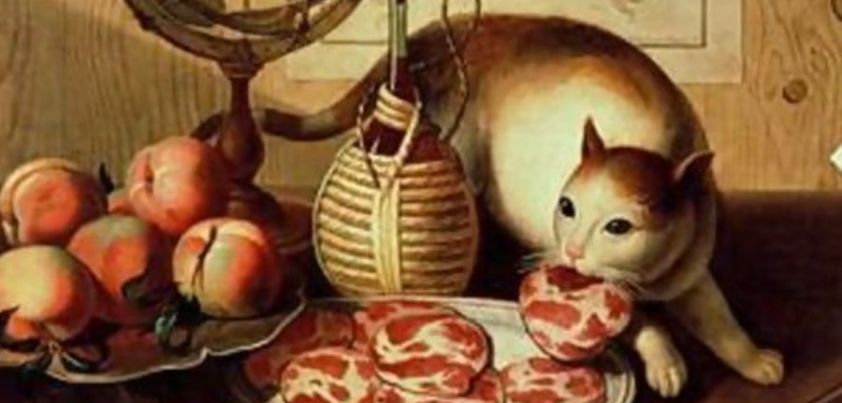
Christmas Storms and Sunshine: Short story by Elizabeth GaskellThis tale by Elizabeth Gaskell uses Christmas as a backdrop to deliver a touching message about rivalry, jealousy, forgiveness and being a good neighbor. Two men living in the same rooming house work for rival newspapers. The papers support opposing political views, and are openly critical of each other. Loyalty to their employers has resulted in a rift between the two men; loyalty to their husbands, coupled with petty jealousies, has resulted in hatred between their wives. A hungry cat, seriously ill child, Christmas carolers, and a plate of homemade sausages bring everybody together.

Continue ReadingChristmas Storms and Sunshine

Almost No Memory

Almost No Memory: Flash story by Lydia DavisWhen Lydia Davis wrote this flash story, she may have been reminded of a quote attributed to Albert Einstein: Never memorize what you can look up. Some people have a knack for remembering almost every detail of past events; others have a talent for putting names to faces or remembering facts and figures. However, most of us forget more than we remember. A word that often comes up in describing Davis’s writing is “playful”. Here she takes a playful look at memory (or rather lack of it!), and then moves on to memories and their relationship to original thought.

Continue ReadingAlmost No Memory

Arabesque: The Mouse

Arabesque: The Mouse: Short story by A. E. CoppardIn this psychological horror story by A. E. Coppard, an idealistic man who has withdrawn from society due to constant rebuff sits alone in a mouse-infested garret. As he watches the antics of a mouse in front of his fireplace, his mind wanders to the death of his mother and loss of the only woman he ever loved. When he comes back to reality, the mouse is sitting before a trap with its forepaws torn off. Association of this with his mother’s grisly death sends him to the brink of madness. Themes include mother-child relationships, loss, depression, despair, shame, insanity.
Continue ReadingArabesque: The Mouse

Outside

Outside: Short story by Etgar KeretEtgar Keret’s Outside was published in July, 2020, just over six months into the Covid-19 epidemic. Eighteen months later, we are now into our third wave of the disease. The story is a humorous account of the effects of being locked-down at home. The experience so traumatizes the protagonist that, along with thousands of others, he refuses to leave home when things improve. Forced outside by the army, he struggles to remember where to go and what to do. Fortunately, a chance encounter on the way to an ATM triggers a conditioned response that immediately brings him back to normal.

Continue ReadingOutside

Slaughter House

Slaughter House: Short story by Richard MathesonRichard Matheson fans may find Slaughter House hard going as he drops his normal crisp, easy to read writing style to experiment with the formality of mid-Victorian writing. The result: some very obscure vocabulary and long, pompously formal sentences that sometimes appear disjointed and confusing. The story itself is captivating. Two brothers, whose described relationship suggests a little more than brotherly love, fall for the lustful ghost of a young woman that enchants, has its way with, and then tries to kill them. Only one of the three survives! Themes include insanity, homoeroticism, seduction, jealousy, the supernatural!

Continue ReadingSlaughter House

Smart Ice-cream

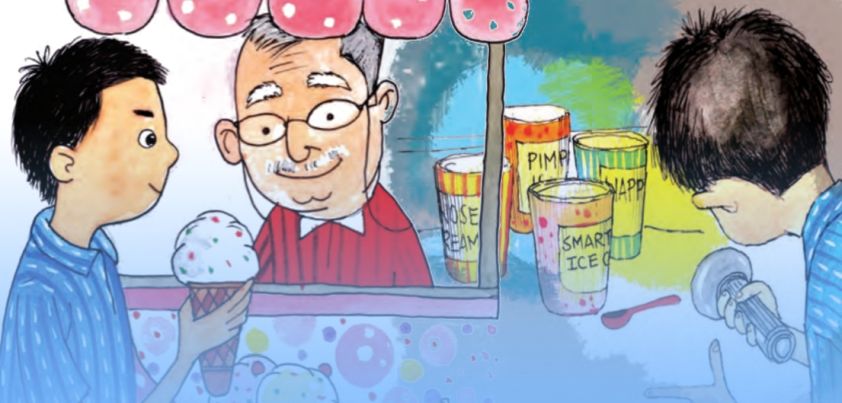
Smart Ice-cream: Short story by Paul JenningsThe overall theme of this entertaining fantasy by Paul Jennings can be summed up in the English proverb Pride comes before a fall. Ironically, the protagonist’s boast about how good he is at English doesn’t seem to extend to idioms. If it did, he would have known that the smart alec ice-cream left in the van was meant for him and not Dadian. The only more fitting ending would be if he had also woken up with pimples and a big nose! Themes: (from the protagonist) haughtiness, cruelty, lack of compassion; (from Mr Peppi) kindness, magic, trickery.

Continue ReadingSmart Ice-cream